How Long Does Interior Paint Take to Dry? MR Paint Explains

Curious whether a fresh coat will change your room overnight — or if patience pays off for a lasting finish?

We started MR Paint in 2011 with a simple goal: deliver clean, reliable results for homes and businesses in the South Amboy area. We focus on careful prep, premium materials, and clear scheduling. That way, projects run smooth and expectations match the final look.

We use proven techniques and maintain open lines of communication. Our team answers questions, sets realistic timelines, and protects your space during painting work. Call us at (908) 963-7371 or email info@mrpaintnj.com for a consultation.

Key Takeaways

  • Drying time varies by finish, ventilation, and temperature.
  • Proper prep and premium materials speed safe curing.
  • We serve a 35-mile radius from South Amboy for local support.
  • Clear communication keeps your project on schedule.
  • Contact MR Paint for reliable, professional results.

Understanding the Difference Between Dry and Cure Time

Quick touch tests can mislead — there’s a crucial difference between surface dryness and full cure.

Paint dry happens when solvents evaporate and the surface feels dry to the touch. This stage is fast and gives the impression the job is finished.
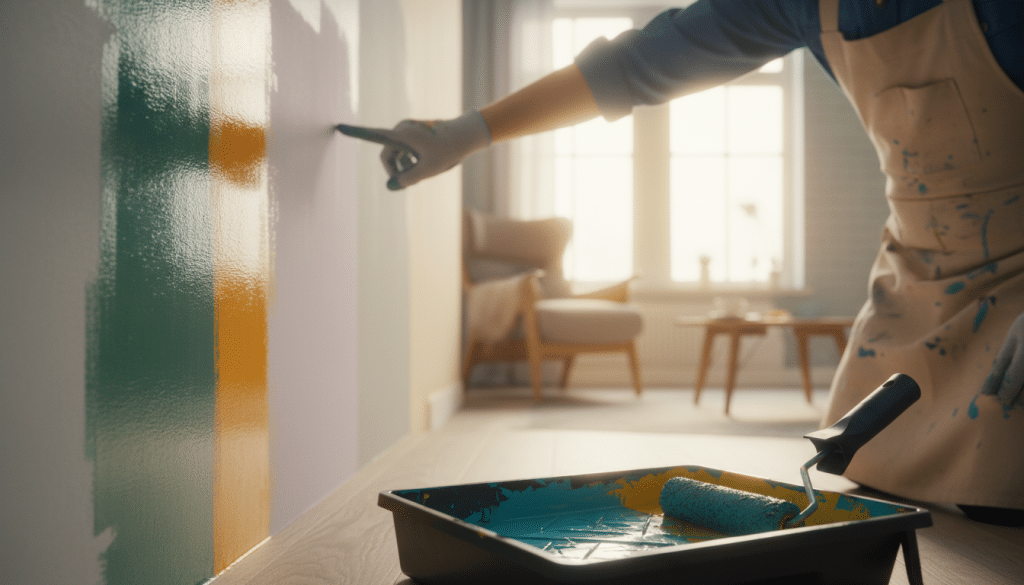
A close-up view of freshly painted wall sections in various stages of drying, set in a well-lit interior room. The foreground features a paint roller resting on a tray, with vibrant colors still glistening, showcasing the contrast between wet and dried paint. In the middle ground, a painter's hand is seen gently touching a section of paint to check its dryness, clad in a simple, professional outfit like a blue shirt and work apron. The background reveals a blurred view of a sunlit window and interior furniture, creating a warm and inviting atmosphere that emphasizes the importance of understanding drying times. Soft, natural light spills through the window, casting gentle shadows that enhance the texture of the paint on the wall.

Paint cure is the full chemical process. Over time the coating reaches maximum hardness and becomes 100% stable. That final step can take more time than the initial feel of dryness.

  • We stress this difference for every interior painting project.
  • Rushing a wall can cause marks — plates and daily use leave stains before cure.
  • Understanding the process protects your finish and the investment you made.

At MR Paint we educate clients so projects look great and last longer. Read more in our blog for practical timing tips and care steps.

How Long Does Interior Paint Take to Dry?

Knowing when a fresh coat is safe for use lets you plan furniture moves and daily life without guesswork. Below we break the common timelines and what the surface feel actually means.

Dry to the Touch

Latex finishes usually feel dry within 1 to 2 hours. Chalk-style paints can be touch-ready in 30–60 minutes.

Oil-based options need more time—expect roughly 6–8 hours before you can touch the surface.
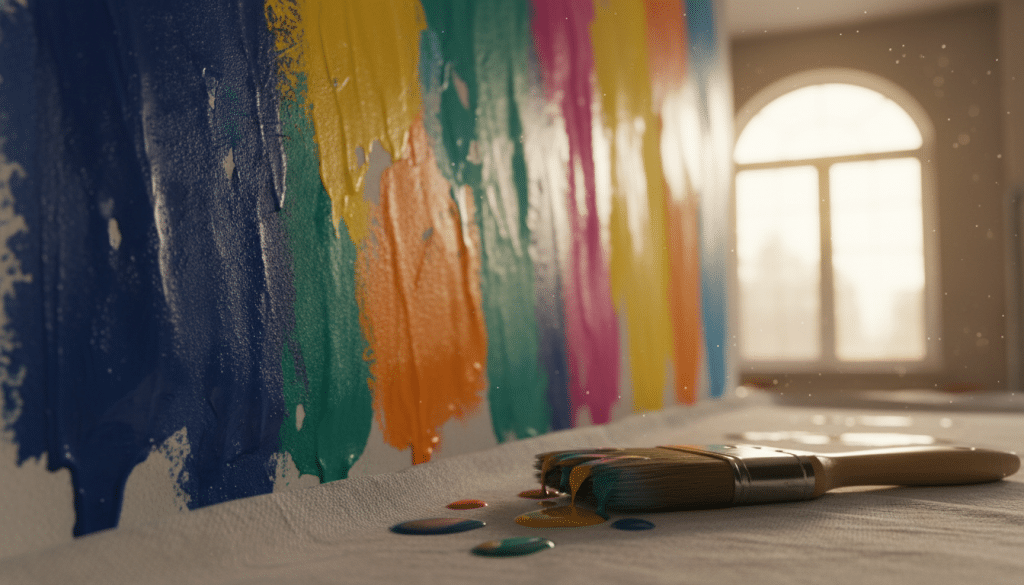
A close-up view of a freshly painted interior wall, showcasing varying shades of vibrant colors that emphasize the beauty of paint drying. In the foreground, droplets of paint glisten on a paintbrush resting on a drop cloth, highlighting the texture and gloss of the fresh coat. The middle ground captures the wall with subtle brush strokes visible, showcasing the drying process. In the background, a soft, natural light filters through a nearby window, creating a warm and inviting atmosphere. The lens perspective is slightly tilted, giving the image a dynamic feel, while the focus sharpens on the paint textures. The overall mood is serene and focused on the nuances of the paint drying, symbolizing patience and transformation in home improvement.

Reaching Full Cure

Full paint cure is a different matter. Latex may take 2–3 weeks to reach maximum hardness. Oil-based paints can need 5–15 days.

Many people want furniture back quickly. We recommend waiting until the cure process is well underway to avoid marks.

  • Use the fingernail test on a hidden spot to check maximum hardness.
  • Allow proper time between coats for an even, professional finish.
  • We follow manufacturer guidelines to ensure durable, clean results.

Factors That Influence Your Painting Project Timeline

Airflow, humidity, and the surface you coat are the quiet drivers of every successful project.

Humidity plays a major role. High moisture slows solvent loss and extends the time before a surface reaches a safe dry touch. We monitor levels and pause work when conditions risk a weak finish.

Air movement matters too. A fan speeds evaporation and helps latex paints set faster in confined rooms. We use controlled airflow to balance speed with a smooth, even result.

Surface type and color change the outcome. Wood, drywall, and concrete absorb and hold moisture differently. Darker shades often need more time because extra tints affect curing.

  • Environmental factors like high humidity can significantly slow the drying process.
  • The type of surface—wood, drywall, or concrete—affects how paints behave.
  • We use fans and controlled ventilation to improve air and reduce hours between coats.
  • By managing these factors, we return furniture within days rather than weeks.
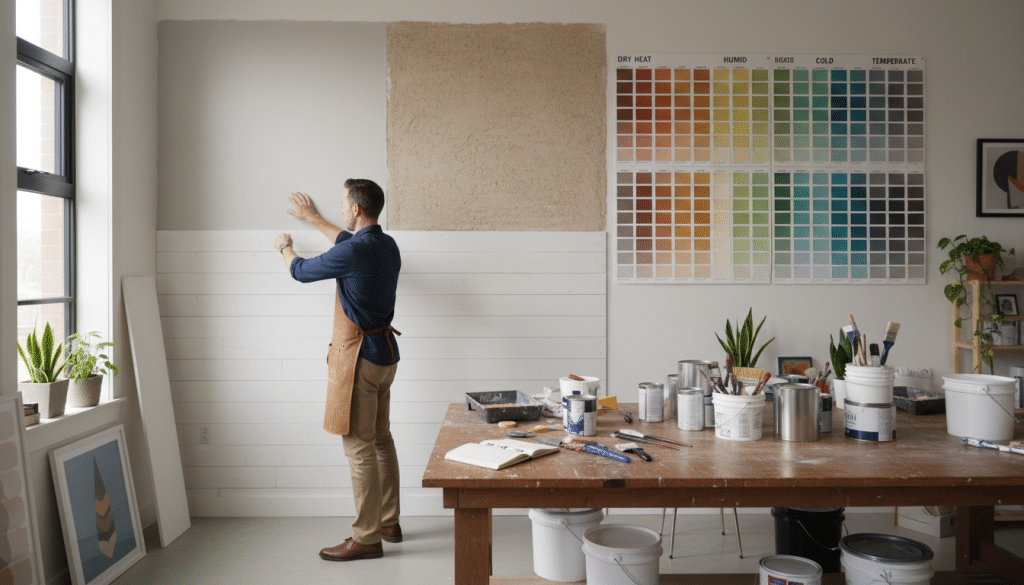
A serene indoor scene showcasing diverse environmental conditions and surface types for painting projects. In the foreground, a professional painter in smart casual attire examines a wall with varying textures, such as smooth drywall, rough stucco, and painted wood paneling. The middle ground features a well-organized workspace with paint cans, brushes, and tools illuminated by soft, natural lighting from a nearby window. In the background, various samples of paint swatches hang on a wall, showcasing color variations meant to reflect different atmospheric influences like humidity and temperature. The room exudes a calm, focused atmosphere, emphasizing the meticulous nature of painting and preparation. Use a wide-angle lens to capture the overall composition while ensuring the painter is positioned slightly off-center for visual interest.

Professional Tips for Faster Drying and Better Results

A few pro moves—right airflow, thin coats, timed returns—make finishing faster and cleaner. These steps protect the surface and keep projects on schedule. We use them on every job in South Amboy and nearby towns.
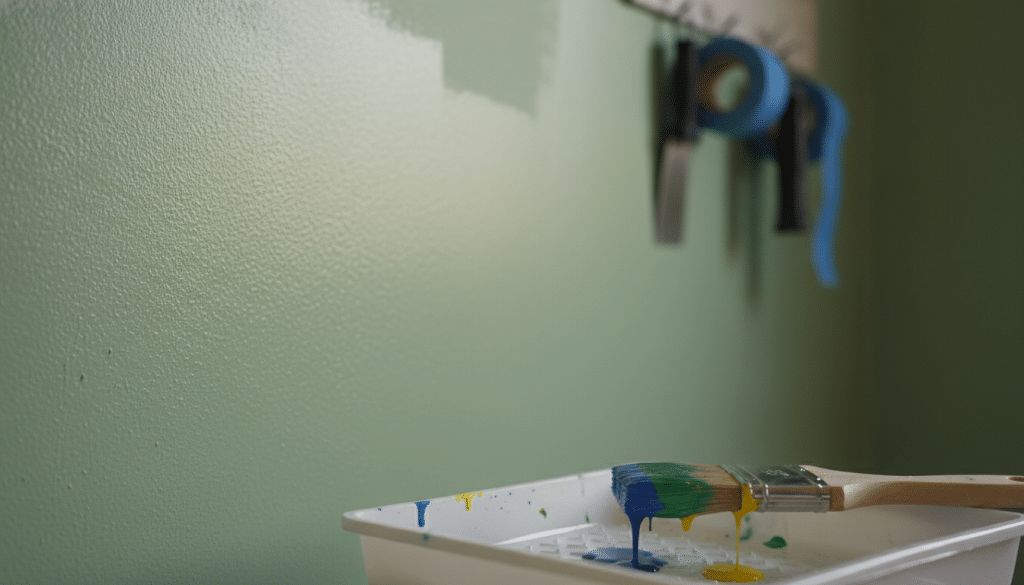
A close-up view of a freshly painted wall, showcasing the subtle texture of the paint as it dries, with soft light filtering in from a nearby window. In the foreground, there's a paintbrush with drips of vivid color resting on a paint tray, creating a sense of action and immediacy. The middle ground features the smooth wall surface, partially glossy in areas where the paint is wet, transitioning to a matte finish as it dries. In the background, out-of-focus silhouettes of tools like a roller and painter's tape suggest a professional setting, enhancing the atmosphere of a workshop in progress. The overall mood is calm and focused, emphasizing the patience and precision involved in achieving better results with drying paint, all captured in a high-resolution, softly lit scene.

Managing Humidity and Airflow

Control moisture. Use a dehumidifier on damp days. A steady air flow from a fan speeds solvent escape and helps paint reach a safe touch faster.

Applying Thin Even Coats

We always make sure coats are thin and uniform. Thin layers prevent bubbling and let latex and oil-based finishes cure more evenly.

Timing Your Furniture Replacement

Wait at least one full day before moving heavy furniture back against walls. This reduces scuffs and gives the finish a better chance to harden.

  1. Thin coats first: fewer runs, faster set.
  2. Manage humidity: dehumidifier stabilizes the room.
  3. Air movement: a fan helps the surface reach a dry touch sooner.

Conclusion: Why Professional Craftsmanship Matters

Expert technique and timing protect the look and strength of every surface.

We believe professional craftsmanship makes interior painting worth the effort. Our team follows manufacturer guidance on dry and cure time and uses controlled methods for consistent drying.

We make sure thin latex coats, steady airflow via a fan, and careful scheduling keep finishes durable. This reduces marks when you bring back furniture and protects the overall finish.

Serving the South Amboy area, we handle projects big and small with clean work and clear timelines. Contact MR Paint for reliable results and a finish that lasts.
FAQ

What’s the difference between “dry to the touch” and “full cure”?

“Dry to the touch” means paint surface feels dry after a few hours — you can gently touch without transfer. “Full cure” is when paint reaches maximum hardness and chemical stability; that can take days or weeks depending on product, film thickness, humidity and temperature. We recommend waiting for full cure before heavy cleaning or moving furniture against walls.

When can I safely recoat walls?

Most latex paints allow recoating in 2–4 hours under ideal conditions; oil-based products need longer, often 6–8 hours or more. Always follow the paint manufacturer’s label and test a small area first. We advise thin, even coats for predictable drying and reliable adhesion.

How do humidity and temperature affect drying times?

High humidity slows evaporation, stretching dry and cure intervals. Low temperatures do the same by slowing chemical reactions. Ideal drying happens at moderate room temperatures (65–75°F) and 40–50% relative humidity — use dehumidifiers or fans to control conditions when needed.

Does surface type change how quickly paint dries?

Yes. Porous surfaces like bare drywall or wood absorb solvents and water faster, often speeding initial set but requiring more finish coats. Glossy, nonporous surfaces can slow drying and adherence. Proper prep — cleaning, sanding, priming — gives predictable results and reduces rework.

When is it safe to move furniture back against painted walls?

Light contact is usually OK after 24–48 hours for latex paints, but we wait 7–14 days for full handling to avoid scuffs and sticking. For high-traffic areas or heavy furniture, allow the full cure period specified by the paint brand before pushing items back into place.

Can I speed up the process without sacrificing quality?

Yes. Speed smartly — apply thin coats, boost airflow with fans, and lower humidity with a dehumidifier. Use quick-dry formulas designed for interior work. Avoid rushing recoats; inadequate dry time causes peeling and uneven finish. We prioritize durable results over shortcuts.

How many coats will I need and how does that affect the schedule?

Most projects require two topcoats over a quality primer for full coverage and durability. Each additional coat adds dry and cure time. Plan for at least a day per coat in typical household conditions; complex jobs may take several days to complete correctly.

Are there color or sheen differences that change drying?

Sheen level and pigment can influence drying slightly. High-gloss finishes form a tougher film and can feel dry sooner but still need proper cure time. Deep, richly pigmented colors sometimes require extra coats to hide previous shades — factor that into timing.

What should I do if paint feels tacky long after application?

Tacky paint usually indicates high humidity, low temperature, or overly thick application. Improve ventilation, lower humidity, and allow extra time. If tackiness persists beyond recommended cure windows, contact us — MR Paint will assess adhesion and recommend fixes.

Which products dry fastest for interior walls?

Water-based acrylic and latex formulas labeled “fast-dry” or “quick dry” typically set faster than oil-based enamels. They offer easy cleanup and lower VOCs. We select premium brands that balance speed with durability for South Amboy homes and nearby properties.
cabinet painting

Mon – Fri: 8:30 am to 6 pm

Share:

Send Us a Message

On This Page

Our Residential Services

Residential interior painting

Interior painting

Refresh any room with clean lines, smooth finishes, and careful protection of your home from start to final walkthrough.

House Painting - Residential Exterior Painting

exterior painting

Boost curb appeal and protect your home with durable exterior coatings, thorough prep work, and a clean, professional finish.

Residential Deck Staining

Deck Staining

Restore and protect your deck with high-quality paints or stains that enhance the look while standing up to local weather.

Residential Cabinet Painting

Cabinet Painting

Transform kitchens and bathrooms with factory-smooth cabinet finishes using proper sanding, priming, and long-lasting coatings.

Residential Drywall Repair

Drywall Repair

Fix holes, cracks, and damaged areas with seamless patching and finishing—moisture resistant, ready for paint so walls look like new.

Our Commercial Services

Commercial Interior Painting

Commercial Interior Painting

Keep your business looking sharp with fast and professional interior painting designed for clean results and lasting durability.

Commercial Exterior Painting - Commercial Painting

Commercial Exterior Painting

Make a strong first impression with exterior painting that improves appearance, protects surfaces, and holds up to heavy exposure.

Commercial Wallpaper Removal

Wallpaper Removal

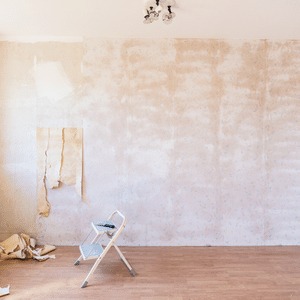
Remove outdated wallpaper safely and cleanly, then prep walls properly so the surface is smooth, uniform, and paint-ready.

Commercial Concrete Staining & Epoxy Finish

Concrete Staining & Epoxy Finish

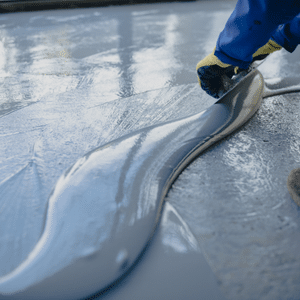
Upgrade concrete floors with decorative staining or epoxy finishes that add durability, easy maintenance, and a clean, polished look.

Powerwashing

Power
Washing

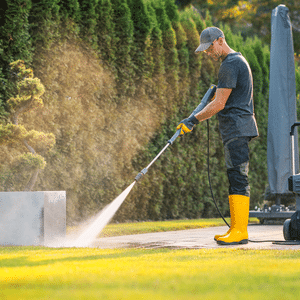
Powerwashing removes dirt and grime from exterior surfaces, restoring curb appeal and prepping areas for longer-lasting paint.

Brands We Use

We work with premium, trusted paint brands for durable finishes.