A cleaner exterior starts with the right method for the surface—not simply more pressure.
MR Paint provides professional powerwashing services for residential and commercial properties across Central New Jersey. Built-up dirt, algae staining, traffic film, pollen, and everyday grime can change the appearance of siding, concrete, decks, and building entrances. We help customers evaluate those surfaces and plan an appropriate cleaning approach that refreshes the property while respecting the materials underneath.
Powerwashing and pressure washing are often used interchangeably, but not every surface needs a forceful spray. Some require a lower-pressure approach, compatible cleaners, or a different process altogether. We focus on surface assessment, sensible preparation, controlled cleaning, and clear expectations about the result. Older paint, fragile wood, masonry joints, and certain roof coverings demand extra care.
Based in South Amboy, NJ, MR Paint serves nearby communities within an approximately 35-mile driving radius, subject to address confirmation. Established in 2011, we approach projects with the same priorities that guide our painting work: craftsmanship, respect for the jobsite, clear communication, and practical finishing standards. Tell us what needs attention, and we can discuss a free estimate tailored to your property.
Residential, Commercial, and Pre-Paint Powerwashing Services
Our service covers several types of exterior cleaning, but the scope should always reflect the building material and level of buildup. A house with painted siding has different requirements from a concrete loading area or a surface being prepared for repainting. Rather than promise that one machine or chemical works everywhere, we discuss the condition, access, likely cleaning method, and what a finished result can realistically look like.
Residential Powerwashing
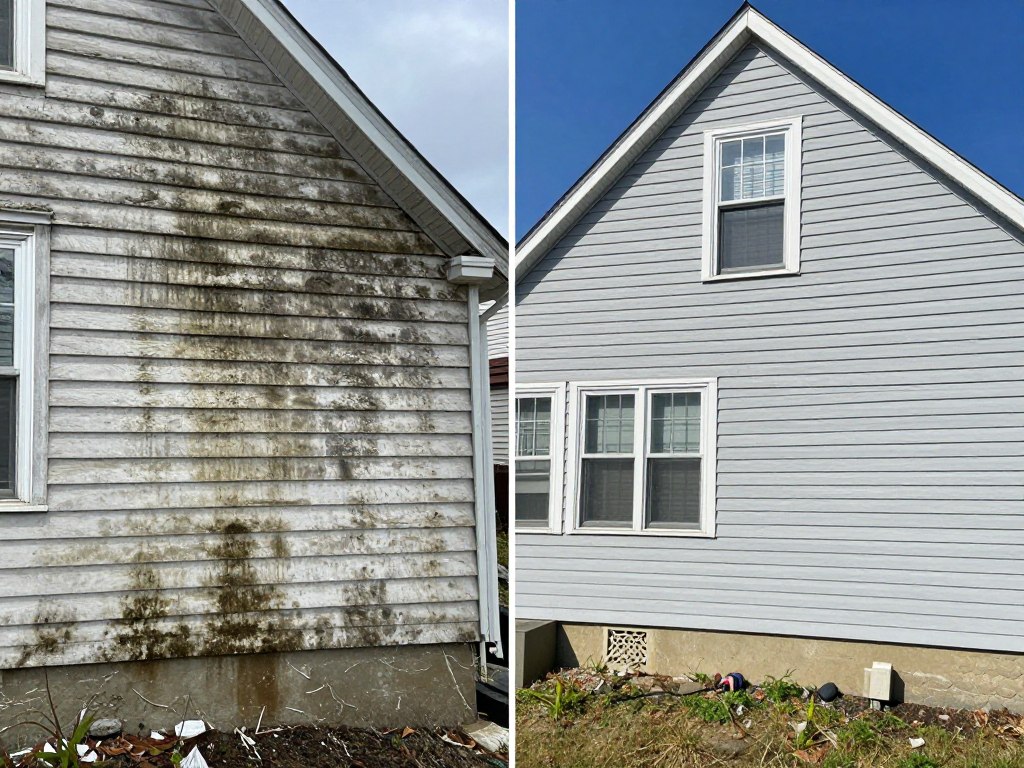
Refresh house exteriors, suitable patios, walkways, decks, fences, and other outdoor areas. We consider siding age, open joints, nearby plantings, and the risk of driving water into vulnerable sections before choosing a method.
Commercial Powerwashing
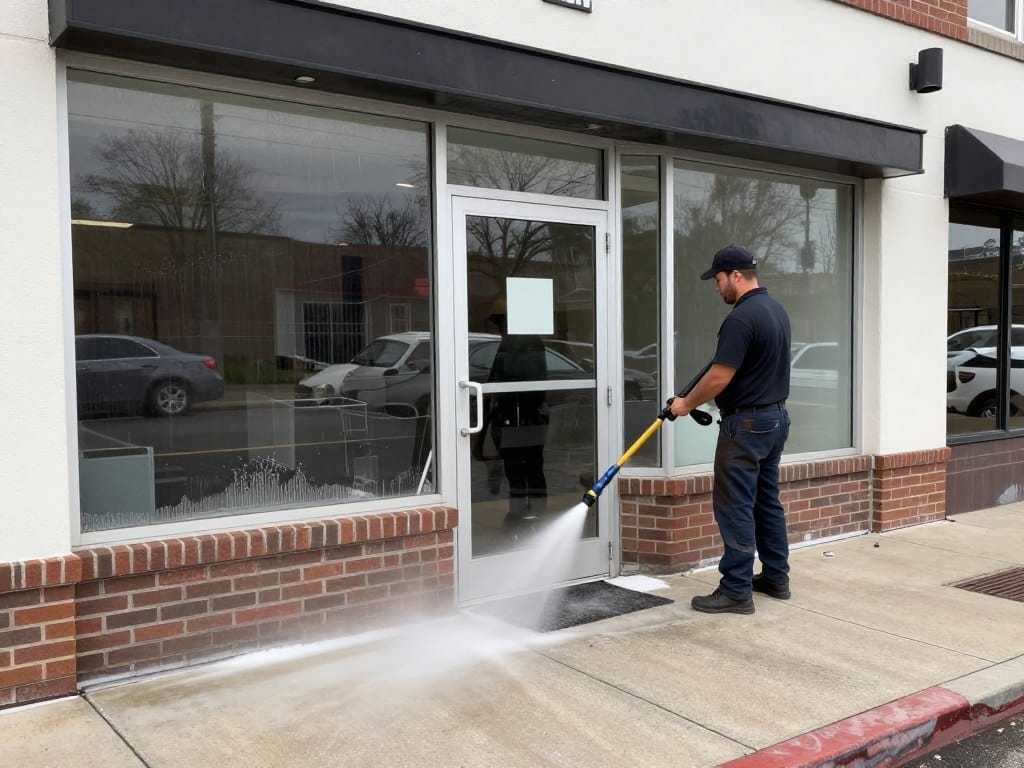
Improve first impressions at storefronts, commercial entrances, sidewalks, and eligible paved areas. We plan access and cleaning windows with property managers so work causes as little disruption as practical.
Pre-Painting Surface Cleaning
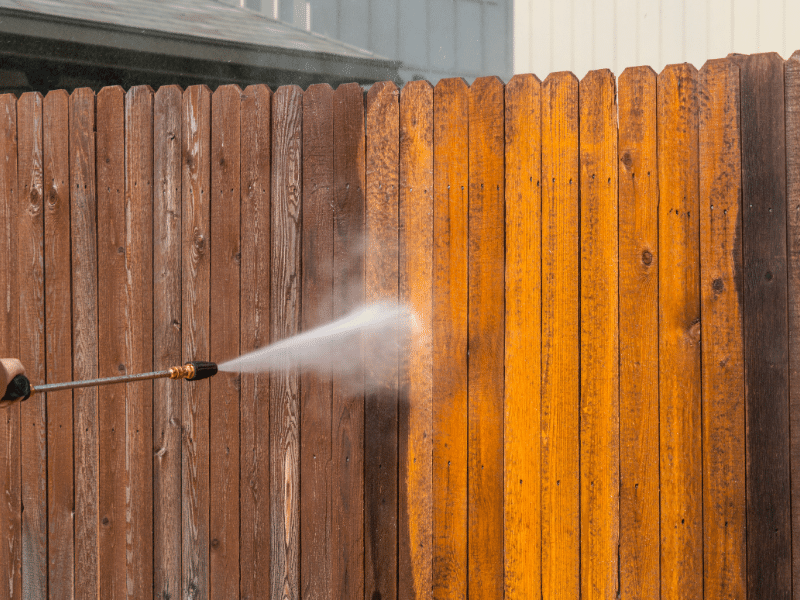
Remove suitable surface contaminants before a painting project, while recognizing that washing alone does not replace scraping, sanding, repairs, or other necessary preparation. Surfaces must be properly dry and sound before coating.
Powerwashing can be a practical stand-alone improvement or one stage of a larger property update. If the exterior needs new color after cleaning, visit our residential exterior painting page. Commercial property managers can also review our commercial exterior painting services. We can discuss how sequencing affects access, drying time, and the final finish.
Exterior Surfaces We Evaluate for Pressure Washing
Material compatibility comes first. A cleaning technique that works well on an intact concrete driveway could leave marks on soft wood or force moisture behind siding. The condition of the surface matters too: old coatings, cracks, loose mortar, weak joints, and poorly sealed openings may make some methods inappropriate. We look at the actual property before deciding how much water pressure and cleaner contact should be used.
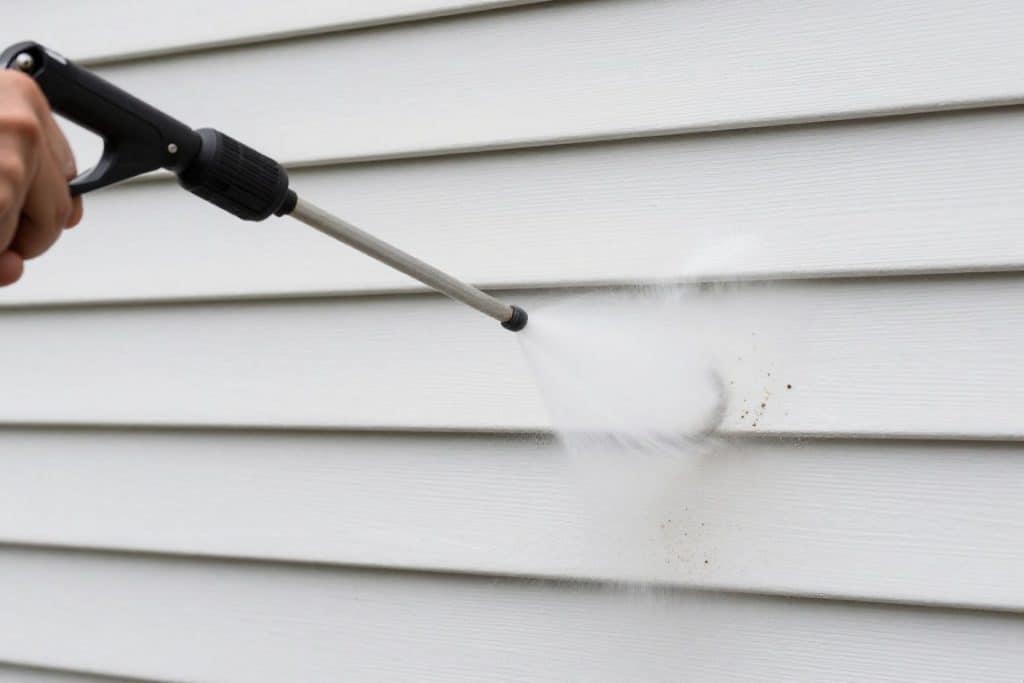
Siding and Building Exteriors
Vinyl, painted siding, compatible brick, and certain masonry surfaces may respond to targeted exterior cleaning. We consider finishes, joints, windows, vents, and drainage before proceeding.
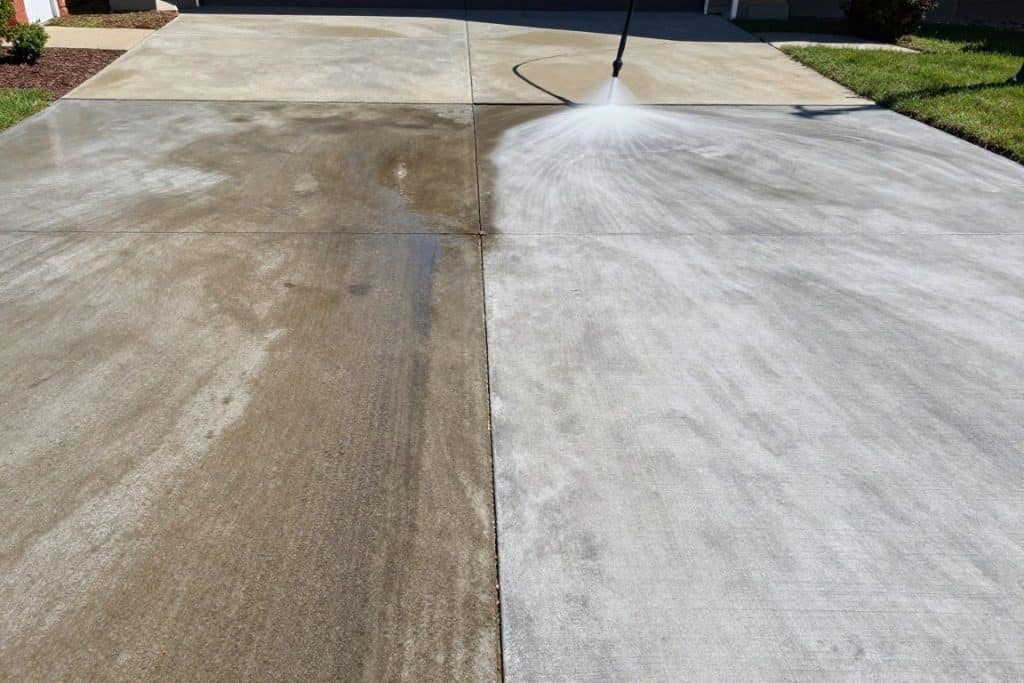
Concrete and Hardscapes
Driveways, walkways, patios, and selected paved surfaces can collect soil, algae staining, and tracked-in dirt. Cleaning improves appearance, but permanently embedded stains may not disappear completely.
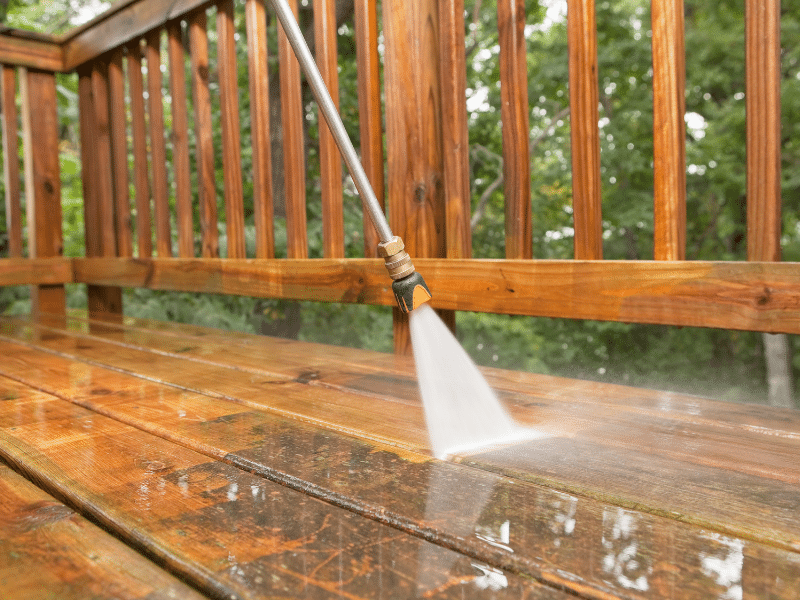
Decks, Fences, and Wood
Wood and composite materials require restraint. Aggressive washing can raise grain, scar boards, or affect existing finishes. We assess whether low-pressure washing or another preparation method is preferable.
Not every surface should be washed. Some older masonry, delicate trim, deteriorated wood, and water-sensitive components require other treatment or repairs first. In all cases, customer expectations should reflect the surface’s age and condition. Cleaning may lift dirt but cannot reverse oxidation, fading, cracked paint, damaged boards, or defects in the underlying material.
Residential Powerwashing for Homes in Central New Jersey
Wind, seasonal pollen, shade, and normal exposure can leave house exteriors looking tired even when the underlying paint or siding remains sound. A thoughtful cleaning plan can restore a more even, cared-for appearance before a sale, after outdoor projects, or as part of periodic maintenance. The key is protecting the building while removing appropriate surface buildup.
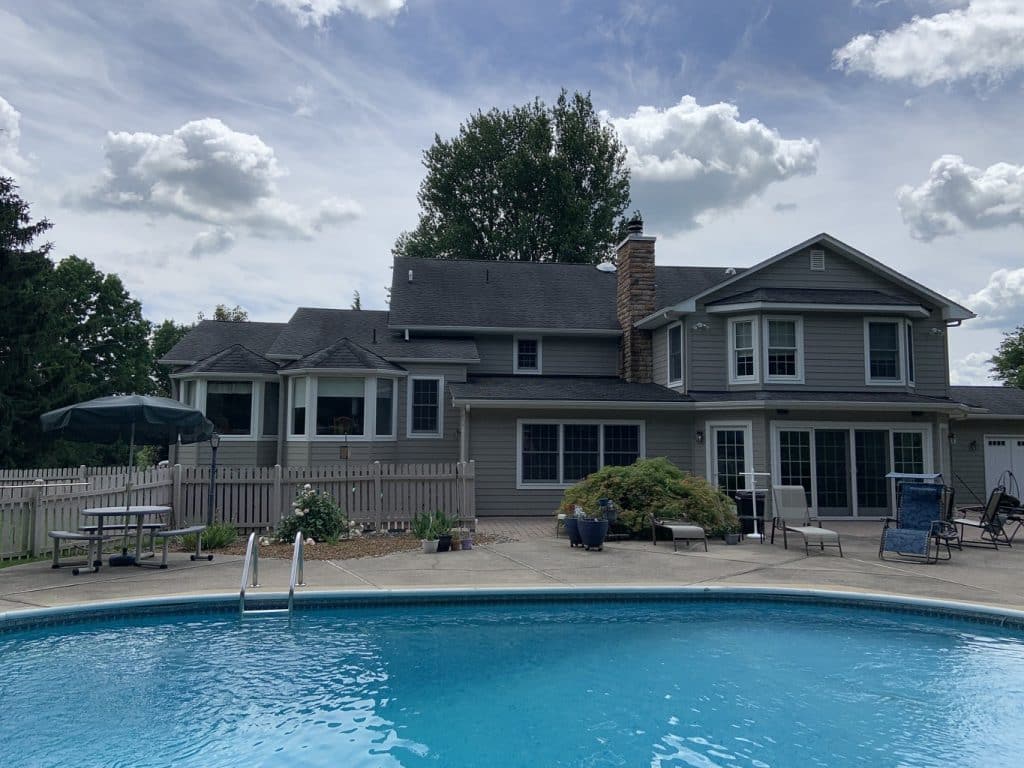
House Washing That Respects Existing Finishes
We review the siding type, condition of the existing paint, the location of electrical components, and how water might travel around seams and window frames. An intact finish may only need a controlled rinse and compatible cleaning product. A peeling or damaged finish may need repairs and repainting instead of aggressive washing.
Some siding manufacturers discourage high-pressure cleaning or set their own limits. That is why we do not give every homeowner a single pressure setting or claim that stronger spraying produces better results. Direction of spray, distance, nozzle choice, and material condition can all affect the outcome.
Driveways and front walkways are often the first parts of a property visitors see. Organic discoloration, dirt tracked from landscaping, and ordinary weathering may improve with appropriate cleaning. Oil, rust, paint, tire marks, and long-set stains are different problems and may require specialized treatment, with varying results. A clean surface is not necessarily a repaired or sealed one.
Outdoor living areas deserve an equally careful approach. A painted porch, stained deck, and composite walkway should not be treated alike. If the wood needs additional finishing after cleaning, explore MR Paint’s deck staining and painting services. The right sequence allows cleaning, drying, repairs, and finishing to support one another rather than introducing new defects.
Entrances and Front Walkways
Targeted cleaning can remove some visible buildup around steps and entry areas. We evaluate surface texture and avoid promising that washing makes a slippery surface safe.
Patios and Outdoor Living Areas
We consider stone, concrete, pavers, sealers, and nearby landscaping. An unsuitable detergent or spray pattern can affect joints and delicate finishes.
Fences and Deck Boards
Wood grain, age, fasteners, and existing stain all influence the choice of cleaner and pressure. Drying time matters when staining or painting will follow.
Seasonal Maintenance
There is no universal annual washing requirement. Exposure, surrounding trees, traffic, weather, and visible buildup help determine when cleaning is worthwhile.
Commercial Pressure Washing for Storefronts and Business Properties
A business exterior communicates care before a customer enters the door. Walkways, loading areas, storefront approaches, and building walls collect different types of grime and have different access needs. Commercial pressure washing should therefore be scheduled around people, traffic, neighboring businesses, and the surfaces involved. A clean entryway can support a polished presentation without requiring an immediate repaint of every wall.
Protect the Appearance of High-Visibility Areas
Storefronts and exterior walkways benefit from a plan that distinguishes general dirt from grease, gum, rust, paint, or other persistent marks. Ordinary washing will not remove all contaminants, and certain treatments need special handling. We identify likely limitations and discuss the expected level of cleaning before work begins.
For facilities with customers on site, we discuss pedestrian routes, potential splash zones, signs or temporary barriers where appropriate, and when an area can reopen. Property managers also need to know how nearby doors, displays, equipment, landscaping, and drains will be protected during the work.
Commercial washing is not merely a larger residential job. Runoff may contain oils, sediment, detergents, or other residues from the surface. Handling it responsibly, including following applicable local requirements, must be part of the plan. Where needed, a specialist or alternative cleaning method may be more appropriate than routine pressure washing.
MR Paint can discuss exterior cleaning as one component of broader property improvements. A storefront refresh may also involve commercial painting, trim restoration, or a coordinated exterior repaint. Clear sequencing can help prevent fresh paint from being splashed by later cleaning work and minimize unnecessary repeat setup.
Powerwashing vs. Pressure Washing vs. Soft Washing
Customers often use the terms powerwashing and pressure washing to describe the same type of service. Equipment and operating methods vary, though, and some power-washing systems use heated water. Soft washing generally emphasizes lower application pressure with a cleaner chosen for the substrate and type of buildup. The terms alone do not tell you whether a method is appropriate for a particular surface.
Pressure Washing
Controlled pressurized water may be useful for suitable hard surfaces such as sound concrete or compatible masonry. Too much pressure or a poor spray angle can etch material, remove finish, or force water into vulnerable joints.
Powerwashing
Heated-water equipment can be helpful in some settings with oily or stubborn buildup, but heat is not appropriate everywhere. It must be evaluated along with surface condition and safe handling of wash water.
Soft Washing
Lower-pressure methods with an appropriate cleaning product can reduce mechanical stress on certain painted or delicate surfaces. Chemical compatibility, runoff, rinsing, and manufacturer instructions still matter.
One surface may need more than one technique, and a small test area can be useful when the finish is uncertain. A weathered wood deck can be damaged by direct, concentrated spray, while concrete with loose mortar or an aging coating may also need a gentler method than expected. We discuss the surface first and then the cleaning tools—not the other way around.
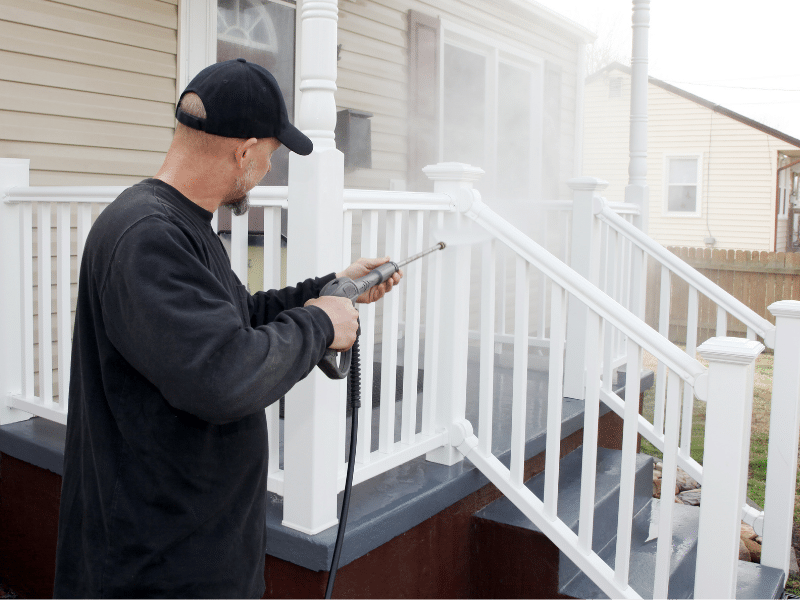
The Right Equipment Matters Less Without the Right Judgment
Professional equipment offers different nozzles, water-flow settings, and cleaning options, but it does not eliminate the need for careful evaluation. We consider spray angle, exposure time, adjacent components, and whether the surface has an existing coating that could be lifted or marked. Protecting the property is part of delivering a worthwhile result.
A successful wash should remove suitable buildup while preserving the intended finish. If the surface is already cracked, failing, or fragile, cleaning may be delayed until repair work can be considered. This approach is particularly important for older painted surfaces and places where water intrusion could create hidden problems.
Pre-Paint Powerwashing and Surface Preparation
Exterior paint performs best when it is applied to a suitable, stable substrate. Washing can help remove surface dirt, some chalky residue, pollen, mildew-like staining, and other contamination that might interfere with coating preparation. However, washing by itself does not make a deteriorated wall ready for paint. Loose coatings, rotted wood, failing caulk, and damaged joints need a separate evaluation and appropriate treatment.
Cleaning Is One Part of the Painting System
Before repainting, we look for existing paint failure, moisture problems, dirt accumulation, and areas requiring repairs or sanding. The cleaning method must avoid forcing water behind siding or into open gaps. After washing, the surface needs suitable drying conditions before priming or painting. Damp wood or masonry can compromise some coating systems, even when the exterior looks dry.
Older structures warrant special attention. When painted surfaces may contain lead and the work would disturb that paint, applicable lead-safe requirements must be evaluated. The EPA explains that certain pressure-washing activities fall under containment and wastewater considerations within the Renovation, Repair and Painting Rule. We do not assume that routine washing is an acceptable substitute for required protective procedures.
Scheduling should account for more than the time spent washing. Weather, wind, shade, previous coatings, and the drying requirements of the planned primer or finish all affect when the next step can begin. On projects that also include painting, we discuss preparation, repairs, material choice, and application conditions in the estimate. This helps avoid a rushed schedule that sacrifices the finish.
Decks, Fences, Roofs, and Other Sensitive Areas
Some of the most visible exterior features are also the easiest to damage with the wrong approach. Wood surfaces may splinter or develop raised fibers, painted trim can lose its finish, and roof materials may have manufacturer restrictions. We distinguish between a surface that can be gently cleaned and one that needs repair, maintenance by another trade, or an alternative method.
Deck and Fence Cleaning Before Maintenance
Deck boards, rails, and fences absorb moisture and weather in different ways. A cleaning process must account for the species or material, its age, grain condition, fasteners, and any existing stain or paint. A strong jet can create visible marks that remain after drying or interfere with the next finish.
If the plan includes staining, cleaning should be coordinated with drying time and any sanding or repairs that follow. We discuss the intended final result rather than treating washing as a stand-alone cure for peeling coatings, damaged boards, or other problems that need attention.
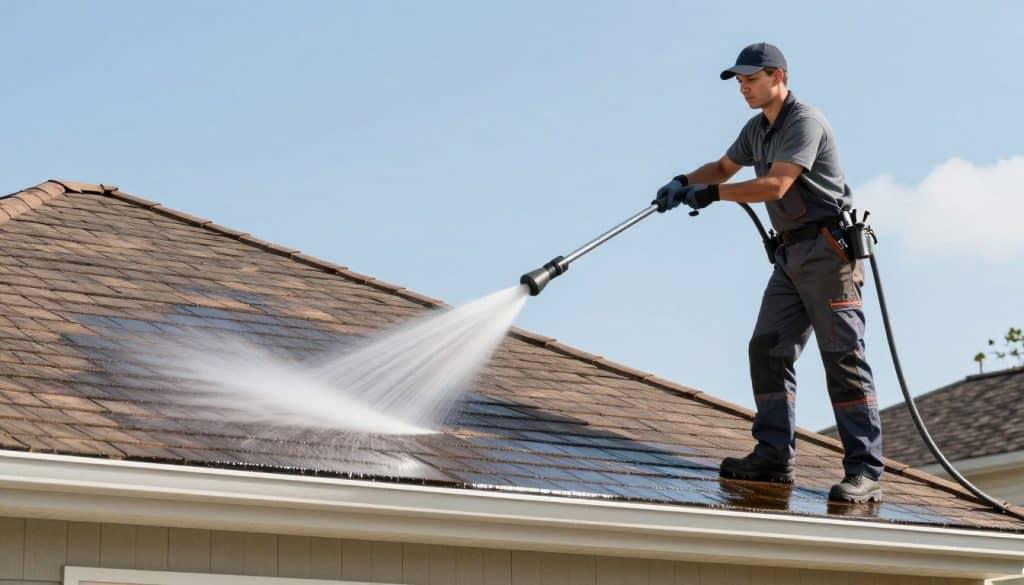
Roof Surfaces Require a Separate Suitability Review
Roof cleaning deserves special care because forceful washing can damage coverings, flashings, and vulnerable joints. Some roof manufacturers prohibit pressure washing altogether. Before agreeing on any roof-related scope, the roof type, condition, access, safe method, and manufacturer directions must be evaluated. In some cases, a specialist is the better choice.
Dark roof streaks may come from biological growth or staining that needs material-specific treatment. The goal is not to blast the surface clean at any cost. We do not recommend high-pressure roof washing as a general maintenance method, and any specialty roof work is subject to confirmation at the estimate.
Similarly, specialty surfaces such as delicate stone, old brick, coated metal, exterior glass, and stained wood may require different products or trades. It is better to identify a sensitive material during the walkthrough than to apply a blanket claim that every part of a property can be powerwashed safely.
Our Professional Powerwashing Process
Good exterior cleaning depends on what happens before and after the spray is turned on. We favor a clear, practical sequence that considers surface condition, nearby features, cleaning expectations, and access. The details vary by project, but the following six stages describe how we approach planning a suitable residential or commercial powerwashing job.
STEP 01
Inspect and Identify Surfaces
We discuss the areas to be cleaned, their materials, and existing problems such as loose paint, damaged joints, staining, or water-sensitive features. If cleaning presents an unreasonable risk, we explain that before proceeding.
STEP 02
Confirm Scope and Access
We review access to water and work areas, any building occupants, landscaping, and items that need to be moved or protected. Commercial jobs may require coordination of entrances, traffic, and appropriate work windows.
STEP 03
Prepare and Protect the Area
Where appropriate, we discuss protection for outlets, vents, doors, plants, fixtures, and neighboring finishes. Runoff paths and potential contaminants are considered before water is applied.
STEP 04
Choose a Suitable Cleaning Method
The method is matched to the substrate and the buildup. Depending on the area, that may mean controlled pressure, a lower-pressure approach, compatible cleaners, or a recommendation not to wash an unsuitable surface.
STEP 05
Clean and Rinse With Care
We work systematically to reduce missed areas and avoid concentrating water where it could cause damage. We monitor spray direction, material response, adjacent finishes, and the needs of people using the property.
STEP 06
Review the Finish and Next Steps
We assess the cleaned areas, discuss any permanent stains or preexisting defects, and review drying or follow-up work where relevant. If painting or staining follows, those stages should be scheduled according to product and site conditions.
Protecting Landscaping, Exterior Finishes, and Drainage
Thoughtful powerwashing considers what the wash water touches after it leaves the nozzle. Landscaping, doors, windows, lights, drains, and neighboring finishes are part of the jobsite. Keeping the work area organized can help avoid preventable damage, and understanding where runoff travels is important for both residential and commercial sites.
Plants and Outdoor Features
We review adjacent planting beds, decorative surfaces, outdoor furniture, and fixtures before choosing a cleaner and rinse method. Compatibility matters even when a product is marketed as gentle.
Doors, Outlets, and Openings
Exterior outlets, electrical equipment, vents, poorly sealed windows, and open joints deserve particular care. Water should not be directed into areas where it can enter the building or create an electrical concern.
Wash Water and Storm Drains
Dirty wash water may contain detergents, sediment, oils, or paint residues. Commercial sites and certain cleaning conditions can require control, collection, or appropriate disposal rather than simply allowing runoff to enter a storm drain.
Older Paint and Fragile Surfaces
When a coating is unstable or may contain lead, the project requires a separate review of safe work practices. Washing should never be used to scatter paint chips or other potentially hazardous debris.
The U.S. Environmental Protection Agency discusses best practices for managing outdoor pressure-washing runoff, including avoiding discharge of polluted wash water into storm drains. Rules vary by setting and locality, so site-specific requirements should be considered when planning a project. Using a biodegradable cleaner, by itself, does not mean that all runoff is harmless or can be discharged anywhere.
For business owners, these details are part of practical project coordination. A wash around a busy storefront or parking area can affect pedestrians, vehicles, and drains differently than an isolated backyard patio. We discuss these site conditions so the cleaning plan makes sense for the property rather than relying on a generic checklist.
What Results Should You Expect From Professional Powerwashing?
Well-planned exterior cleaning can make a noticeable visual difference. That does not mean every stain, discoloration, or aged material will return to a factory-new appearance. Dirt and removable buildup are different from permanent surface wear, fading, old coatings, or damaged substrate. We prefer to explain that distinction before the job rather than promise a transformation that the material cannot support.
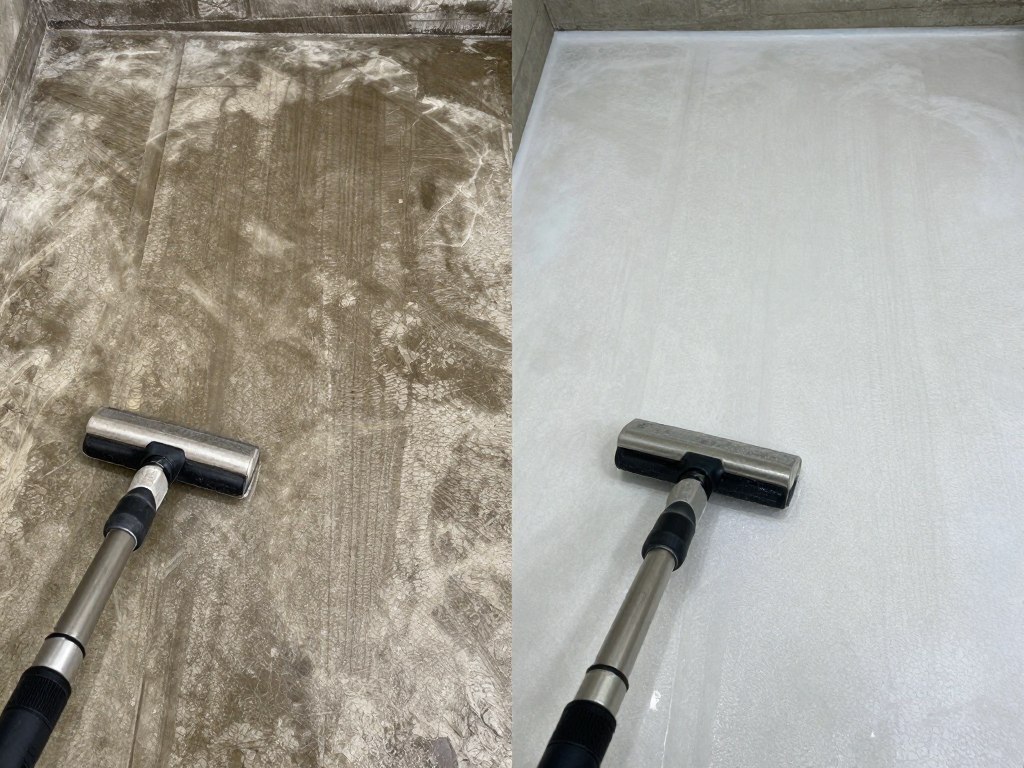
Cleaner Surfaces, With Honest Expectations
Before-and-after photographs are helpful examples, but their results depend on what caused the discoloration and the condition of the surface. Organic staining, general grime, and light traffic film may respond well, while rust, deeply absorbed oil, fading, efflorescence, and deteriorated finishes can remain visible after washing.
Some cleaning also reveals issues that dirt had concealed, such as cracks, worn paint, or areas that may benefit from further maintenance. We discuss those findings so customers can decide whether a repair, repaint, or other improvement should be planned separately.
Maintenance frequency should reflect the property rather than a universal rule. Buildings exposed to shade, traffic, salt, heavy pollen, or nearby trees may show buildup sooner than more sheltered properties. Gentle periodic cleaning may be worthwhile, but washing too often or too aggressively can shorten the life of vulnerable finishes. The aim is appropriate upkeep, not maximum frequency.
For owners preparing to paint or stain, the time between cleaning and finishing depends on the surface, weather, and the material specifications. A freshly washed deck may still hold moisture after it looks dry; similarly, concrete and masonry can need additional assessment before sealing. We recommend coordinating the steps rather than treating drying as a fixed number of hours for every site.
Why Property Owners Choose MR Paint
Hiring a company to clean an exterior is about more than equipment. Customers need realistic guidance, predictable communication, and a crew that respects the property. MR Paint has operated since 2011, serving South Amboy and surrounding Central New Jersey communities with painting and related exterior services. Our approach to powerwashing follows the same emphasis on careful preparation and practical project management.
Material-First Decisions
We consider condition, age, and surface compatibility rather than assuming maximum pressure is the right answer. Some surfaces need a lower-impact technique or another service first.
Respect for the Property
Planning includes access, appropriate protection, landscaping, and the impact on adjacent areas. A clean result should not come at the expense of avoidable damage.
Clear Estimates and Scheduling
We explain what is included, what may need separate treatment, and how the property will be used during the job. Conditions and availability are discussed rather than promised without a walkthrough.
Coordination With Painting
When washing is preparation for painting or staining, we discuss repairs, drying, and finish requirements so work can be sequenced logically.
Our wider services include house exterior painting, deck staining, and commercial exterior painting. You can learn more about our company on the About MR Paint page or review visual examples in our gallery. Images used here are illustrative unless a project is expressly identified as MR Paint’s own documented work.
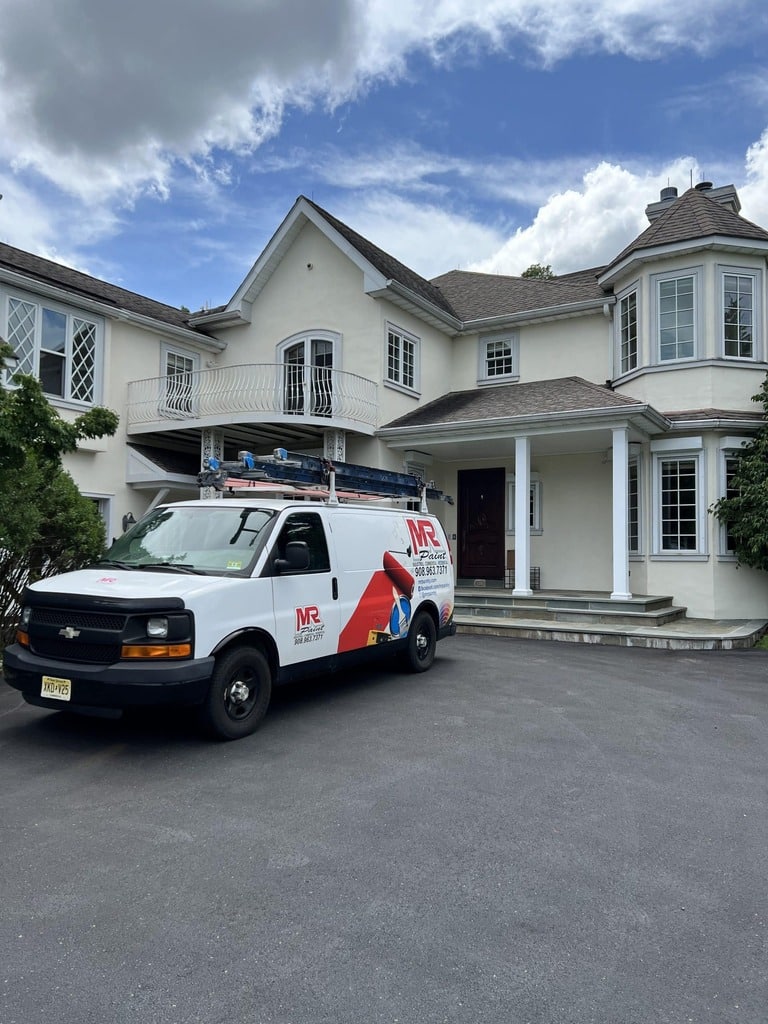
Powerwashing in South Amboy and Central New Jersey
MR Paint is based in South Amboy, NJ. Our powerwashing service is intended for homes and businesses in nearby Central New Jersey communities, generally within an approximately 35-mile driving radius. The exact driving route, project requirements, and scheduling determine whether an address can be served. If your property is in Middlesex County, Monmouth County, or a neighboring area, contact us to confirm availability.
Local weather makes surface care worthwhile but also affects the work itself. Seasonal pollen, windborne debris, shaded areas, road grime, and winter residue can all influence how an exterior looks. Temperature, rain, and wind can affect access and drying, especially when cleaning is followed by painting. An estimate should consider both the visible buildup and the property’s intended use.
Have a property in our service area? Send the location, surface type, approximate size, and photos of the buildup. We can discuss suitable cleaning options and whether any areas need special attention.
Frequently Asked Questions About Powerwashing
These answers cover common questions about surface compatibility, results, scheduling, and maintenance. Actual recommendations depend on the specific property, product directions, and the conditions found during the project review.
What is the difference between powerwashing and pressure washing?
The terms are often used interchangeably. Some powerwashing systems use heated water, while pressure washing commonly refers to pressurized water without specifying heat. The important decision is which method, pressure level, and cleaning product are compatible with the surface. We evaluate the material before recommending an approach.
Is professional powerwashing safe for siding?
It can be appropriate for some siding when the method follows material condition and manufacturer recommendations. High pressure or an upward spray angle can force water behind siding or damage paint and joints. Older or fragile surfaces may call for low-pressure cleaning or another method. We discuss visible concerns before proceeding.
Can you clean concrete driveways and sidewalks?
Suitable concrete surfaces can often be cleaned to reduce dirt, algae staining, and general discoloration. Persistent oil, rust, paint, or deeply embedded marks may require specialized treatment and may not disappear. We review surface condition, adjacent landscaping, and runoff before proposing a cleaning method.
Do you offer soft washing?
We discuss lower-pressure approaches where a surface would be at risk from concentrated spray. Whether soft washing is suitable depends on the material, type of buildup, chemical compatibility, and access. Not every roof or delicate surface is a candidate, so the exact scope is confirmed during the estimate.
Can powerwashing remove mold and mildew?
Cleaning may remove visible biological buildup or mildew-like staining on some exterior materials, but it does not solve an ongoing moisture problem or guarantee that growth will never return. The method and product must suit the surface. Suspected extensive mold, especially inside a building or within damaged material, may require specialist evaluation.
Should I pressure wash my roof?
High-pressure roof washing is generally not a safe default. Shingles and other coverings can be damaged, and some manufacturers prohibit the practice. Roof treatment should be assessed separately based on covering type, condition, access, and manufacturer guidance. In some situations, a qualified roof-cleaning specialist is more appropriate.
How often should a house be powerwashed?
There is no fixed interval that suits every home. Shade, trees, traffic, wind, coastal exposure, previous coatings, and the amount of buildup influence maintenance needs. We recommend cleaning when the surface and condition justify it, rather than making annual washing a blanket rule for every material.
Can I combine powerwashing with exterior painting?
Yes, cleaning can be one part of preparation for exterior painting. The area may also need scraping, repairs, sanding, caulking, or priming, depending on its condition. The surface must dry adequately before coating, and the preparation method must meet the paint manufacturer’s requirements. We can discuss both services during the estimate.
Will powerwashing damage wood decks or fences?
It can if the spray is too concentrated, the wood is soft or deteriorated, or the existing finish is vulnerable. High-pressure cleaning may raise grain or leave permanent marks. We evaluate wood condition, prior staining, and the desired follow-up finish before determining a suitable process.
How long does a powerwashing project take?
Timing depends on the property size, access, number of surfaces, type of buildup, any pretreatment, and the care required around fixtures and landscaping. Commercial traffic arrangements and wastewater handling can also affect the schedule. We give a project-specific estimate rather than promise a standard number of hours.
Are cleaning products and wastewater environmentally safe?
Cleaning-product labels and terms such as biodegradable do not automatically make wash water harmless. Runoff can carry dirt, oil, detergents, or other contaminants. Appropriate containment or disposal may be required, particularly at commercial sites. We discuss the surface and drainage conditions and consider applicable local requirements.
How do I request a free powerwashing estimate?
Call (908) 963-7371 or use our contact form. Include the property address, surfaces you want cleaned, approximate area, and photos if available. Also mention fragile finishes, previous paint failure, or other concerns. We can then discuss scope and scheduling.
Request a Free Powerwashing Estimate
Whether you need a house wash, an entrance refreshed, a driveway evaluated, or cleaning before exterior painting, MR Paint can discuss an approach suited to the material and jobsite. We serve customers in South Amboy and nearby Central New Jersey communities, with the exact service area confirmed by address.
Send photos or describe the surfaces, their age and condition, and the kind of buildup you want removed. We will help set expectations about the cleaning result and identify any repairs, specialty work, or painting preparation that should be addressed separately.
Ready to Refresh Your Exterior?
Contact MR Paint to discuss safe surface care, a practical scope, and a free estimate for your property.
South Amboy, NJ · Nearby Central New Jersey communities · info@mrpaintnj.com