You don’t need to replace a functional kitchen to give it an entirely different look. Professional cabinet painting can refresh dated colors, brighten the room, and make existing cabinetry feel more connected to your home’s style.
MR Paint provides cabinet painting and refinishing services for homeowners throughout Central New Jersey. Based in South Amboy and established in 2011, we focus on thoughtful preparation, cabinet-appropriate coatings, controlled application, and a clean work environment. Our aim is a smooth, consistent finish and a process that is easy to understand from the estimate through the final walkthrough.
Cabinets are not ordinary walls. Doors are handled repeatedly, drawer fronts are exposed to scuffs, and kitchens collect grease and moisture. That means the finish needs more than a pleasing color: it needs the right preparation and a coating system chosen for the actual surface. We assess the existing cabinetry before recommending whether painting is a good fit.
Whether you want a brighter white kitchen, a bold island color, a more modern finish for bathroom vanities, or a coordinated update alongside interior painting, we’ll help you consider the options. We serve eligible New Jersey locations within a 35-mile driving radius of South Amboy.
A Kitchen Refresh Without a Full Remodel
When cabinet boxes are sound and the kitchen layout still works, repainting may be a sensible alternative to replacing everything. A new finish changes the visual balance of the room while preserving the doors, drawers, and storage arrangement you already use. It can also work well as one part of a larger update involving countertops, lighting, walls, and hardware.
Cabinet painting is not automatically right for every kitchen. Water-damaged boxes, major warping, loose joints, failing veneers, or a layout that no longer meets your needs may point toward replacement or more extensive repairs. We would rather identify those issues during the consultation than promise that a coat of paint can solve a structural problem.
Change the Look, Keep the Layout
Color and sheen have a major influence on how large, bright, or contemporary a kitchen feels. Painting lets you rethink those details while retaining a functional cabinet arrangement.
Spend Where It Makes a Difference
If the existing cabinetry is in good condition, refinishing can avoid much of the expense and disruption associated with removing and replacing entire cabinet systems.
Coordinate the Whole Room
We can discuss how cabinet colors relate to wall paint, flooring, countertops, backsplashes, and hardware so the finished kitchen looks intentional rather than pieced together.
Plan for Daily Use
A kitchen finish should be selected with cleaning, frequent touch, and ordinary household wear in mind. Cabinet-specific products and proper curing make an important difference.
For projects that include repainting nearby rooms, our house painting services overview explains the other residential options available through MR Paint.
Cabinet Colors and Before-and-After Inspiration
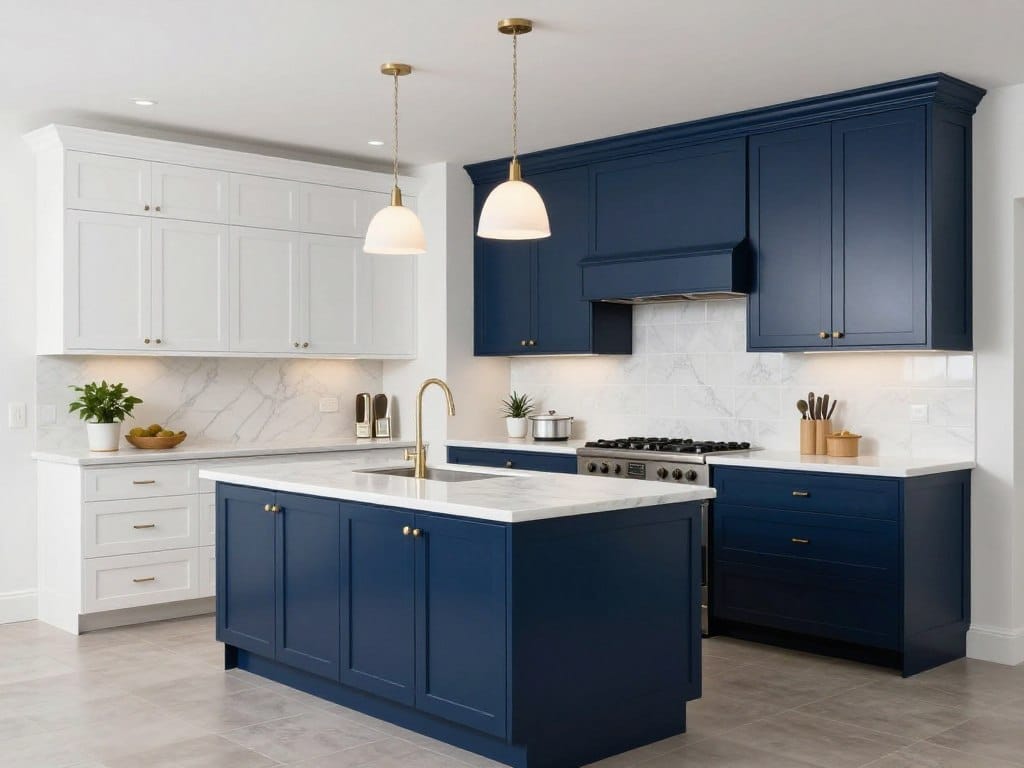
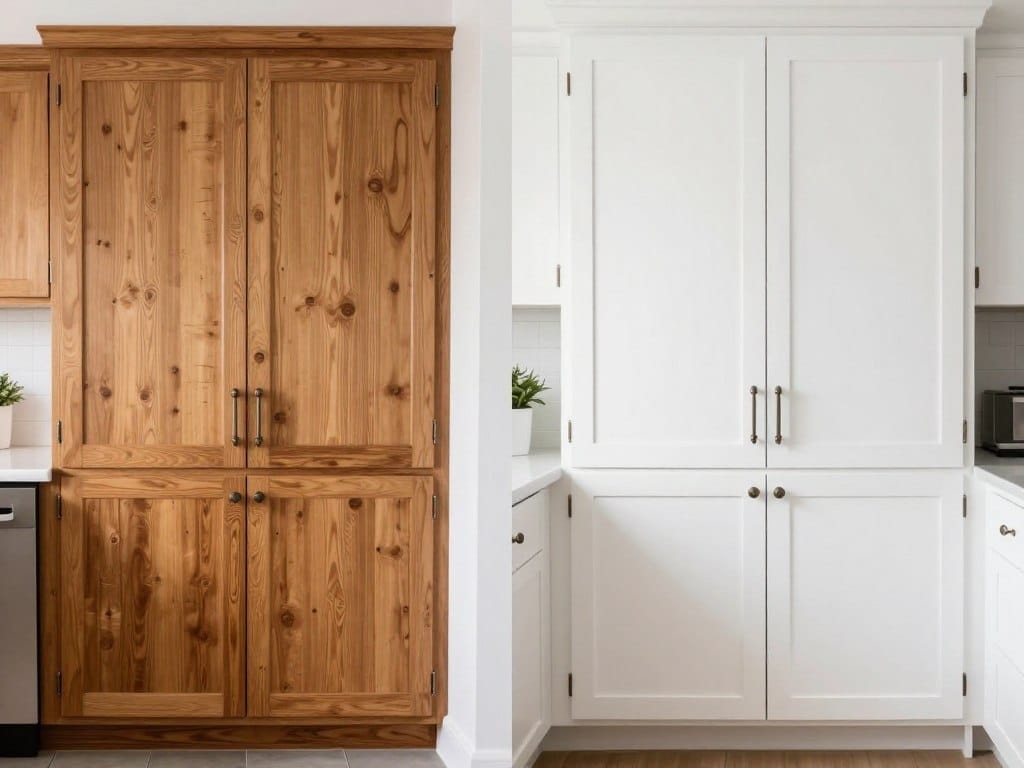
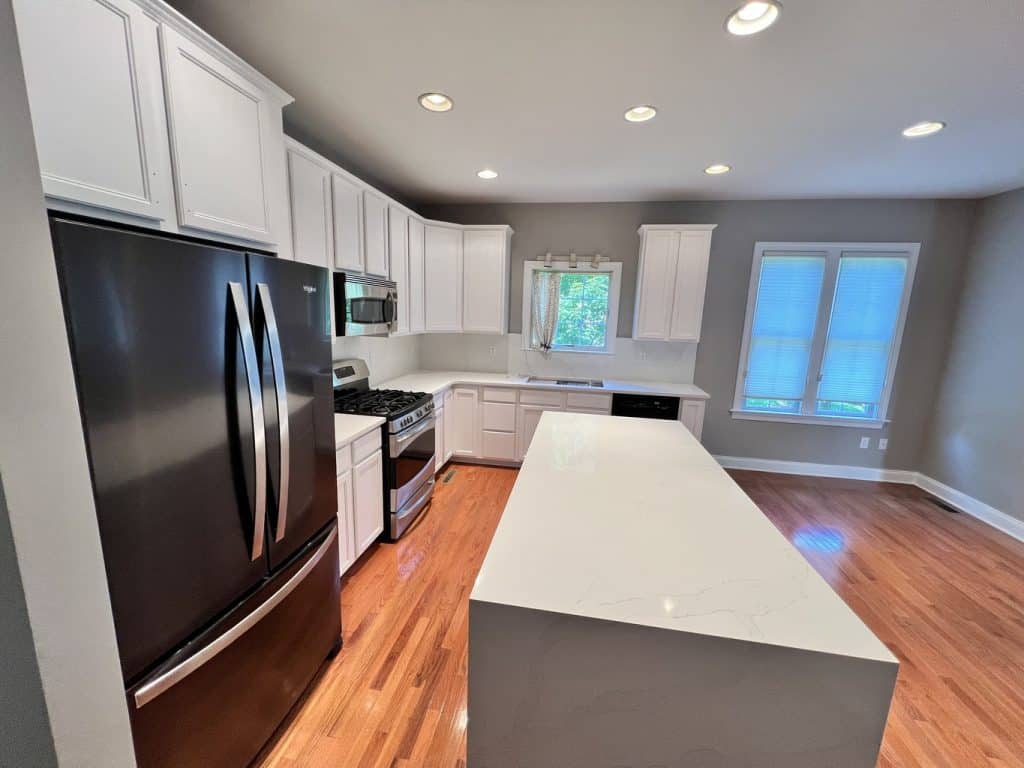
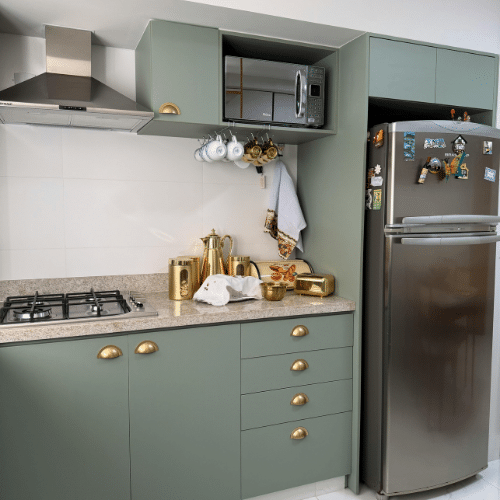
Sometimes the easiest way to describe a finish is to see it. Light perimeter cabinets can balance a dark island; a coordinated color on every door can make mismatched cabinetry feel unified. The examples below illustrate how changes in color and finish can affect the atmosphere of a kitchen. During your estimate, we’ll discuss whether similar choices would suit your particular cabinets and surroundings.
For more ideas, including recent photos and videos, visit our Gallery. You can share examples you like when contacting us; that is often a more productive starting point than choosing a paint color from a tiny screen swatch.
Is Cabinet Painting the Right Choice for Your Home?
The best result starts with an honest assessment. Before any color is selected, it helps to look closely at the cabinet material, the stability of the existing finish, the condition of the hardware, and the amount of wear on doors and drawer fronts. A project that looks simple from across the room can require significant work around corners, profiles, and high-touch areas.
When Repainting Makes Sense
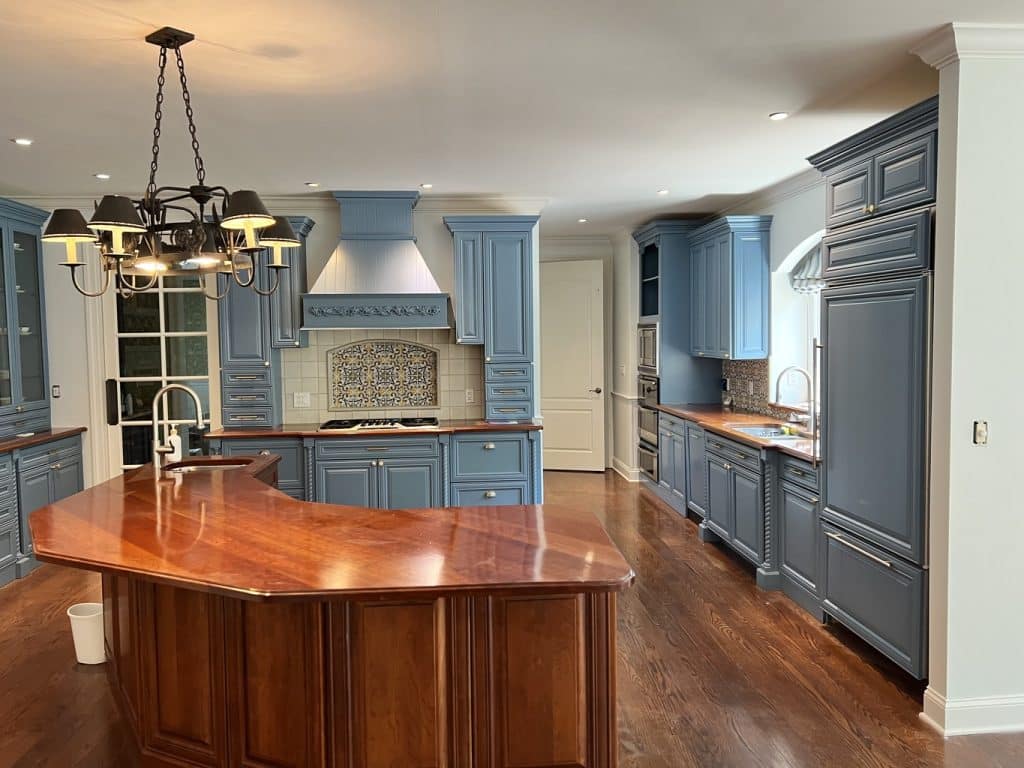
Painting is worth considering when the basic cabinet construction is sound, doors close properly, and you like the existing kitchen layout. Solid wood and some engineered surfaces can be good candidates when the right surface-specific procedure is used. An appropriate primer and topcoat must be compatible with the underlying material and existing finish.
We also consider practical details: whether you want to keep existing handles, whether a darker color will suit the light in the room, and whether the current wood grain or texture will still be visible. These decisions affect how the final result looks, so we discuss them before work begins.
When Repair or Replacement Is Better
Painting cannot repair swollen particleboard, severe water damage, broken joints, or detached laminate. Some factory-finished surfaces can also present adhesion challenges that deserve a test or a different approach. If the cabinets are deteriorating, we will discuss those concerns rather than covering them with a finish that may not hold.
Painting and refacing are different services. Painting updates the existing surfaces. Refacing generally involves replacing or covering visible doors and fronts. If a homeowner is considering refacing or new cabinetry, we can discuss how that decision affects the painting scope; we do not assume every remodeling service is included in a painting estimate.
Our Professional Cabinet Painting Process
Cabinet refinishing looks its best when each stage supports the next. We begin with an assessment and a clear scope, protect the surrounding space, prepare the surfaces, apply the selected system, and reinstall the components only when handling conditions are suitable. The process may change slightly depending on the cabinet design, condition, and products selected.
A look at the kind of preparation and finish work involved in a cabinet painting project.

Step 01
Assessment and Protection
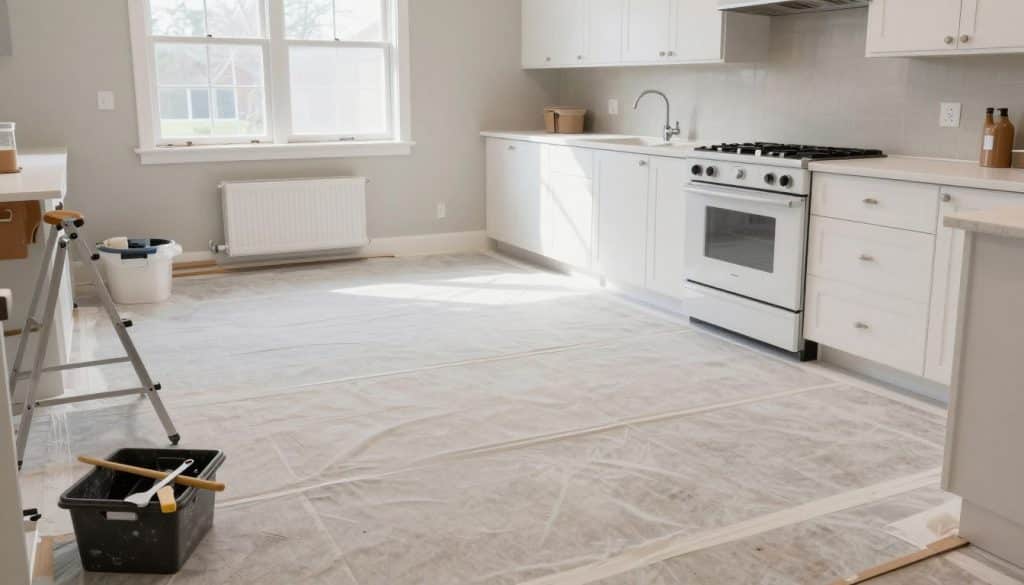
We review the cabinet condition and discuss the intended finish. Counters, floors, appliances, and nearby surfaces are protected as required by the scope. We identify what will be removed and which components will be finished in place.
Step 02
Cleaning and Surface Prep
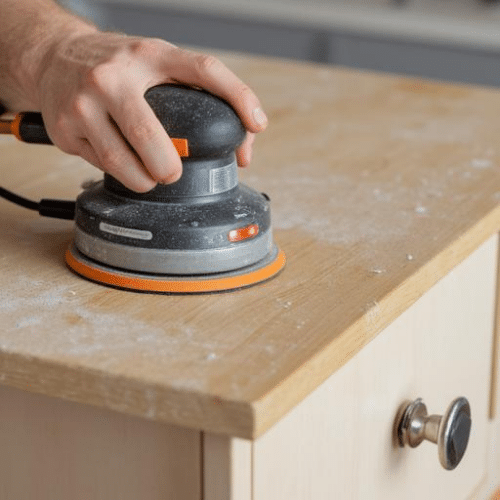
Cooking oils, fingerprints, and residues can interfere with adhesion. We clean and degrease appropriate areas, evaluate the old finish, and perform sanding or other preparation as the coating manufacturer requires. Damaged spots are identified before finishing.
Step 03
Primer and Adhesion Checks
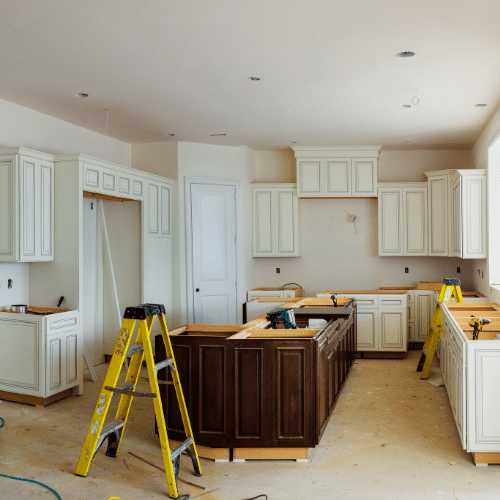
Depending on the substrate, a bonding or stain-blocking primer may be needed. Product compatibility and adhesion are essential, especially on glossy or previously coated cabinetry. We follow the selected system’s preparation and drying requirements.
Step 04
Controlled Finish Application
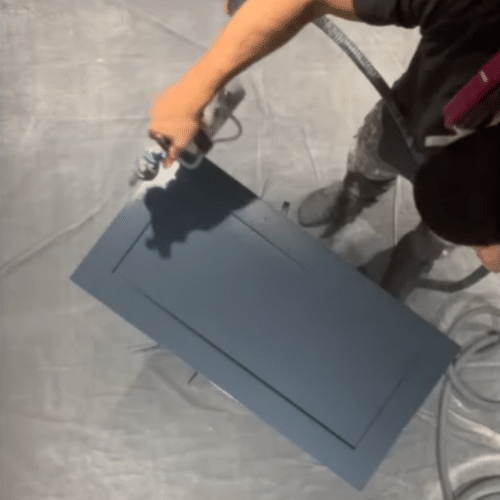
We use suitable professional application methods, including spraying when appropriate, to build a uniform color and sheen. Smooth results depend on technique, environment, coating properties, and sufficient time between coats—not simply on applying thicker paint.
Step 05
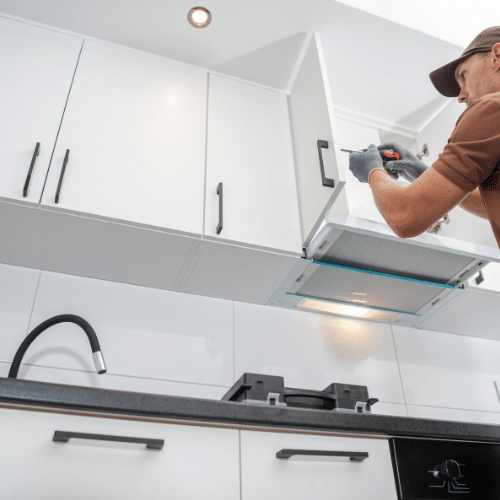
Reassembly and Adjustments
Doors, drawer fronts, hinges, and pulls are returned to their positions once the finish is ready for handling. We pay attention to alignment and contact points so doors close properly and freshly finished edges are not unnecessarily damaged.
Final Review
Walkthrough and Care Guidance
We review the visible finish, identify any final adjustments within the agreed scope, and explain how to care for the surfaces. The coating may still need time to reach full hardness after it can be handled, so appropriate early care is especially important.
Want to Understand the Process for Your Kitchen?
Tell us what material your cabinets are made from, what finish you want, and whether you are planning other updates. We’ll help you understand the next step and arrange an estimate.
Why Preparation Matters More Than a Quick Coat of Paint
Kitchen cabinets experience a combination of grease, cleaners, moisture, and constant handling. Painting directly over an old glossy finish or residue may look acceptable at first but can cause problems later. The work under the topcoat matters just as much as the visible color. We focus on sound adhesion and a consistent surface rather than taking shortcuts to finish faster.
Degreasing High-Touch Areas
Cabinet doors often carry an invisible film around handles, near cooking areas, and above appliances. Suitable cleaning products help remove that film before any other coating work. Surfaces then need to be rinsed or treated as directed and allowed to dry.
Appropriate Sanding and Dust Control
Some finishes require controlled abrasion or deglossing to improve bonding. Others need special primers and adhesion checks. Dust must be managed carefully so it does not become trapped beneath the next coat or contaminate the work area.
Repairing Minor Imperfections
Small dents, worn corners, and old hardware holes may be repairable as part of the agreed painting scope. Large structural failures and extensive moisture damage are different issues and may require specialist repair before finishing.
Choosing the Right Primer
A suitable primer can support adhesion, help with tannin or stain bleed, and produce a more consistent base for the finish. The exact product and number of coats depend on the substrate and the manufacturer’s instructions.
These are not arbitrary extras. Sherwin-Williams emphasizes cleaning, preparation, and product compatibility in its guide to painting kitchen cabinets. The guidance is useful when deciding what questions to ask before hiring any contractor.
Choosing Cabinet Colors, Sheen, and Materials
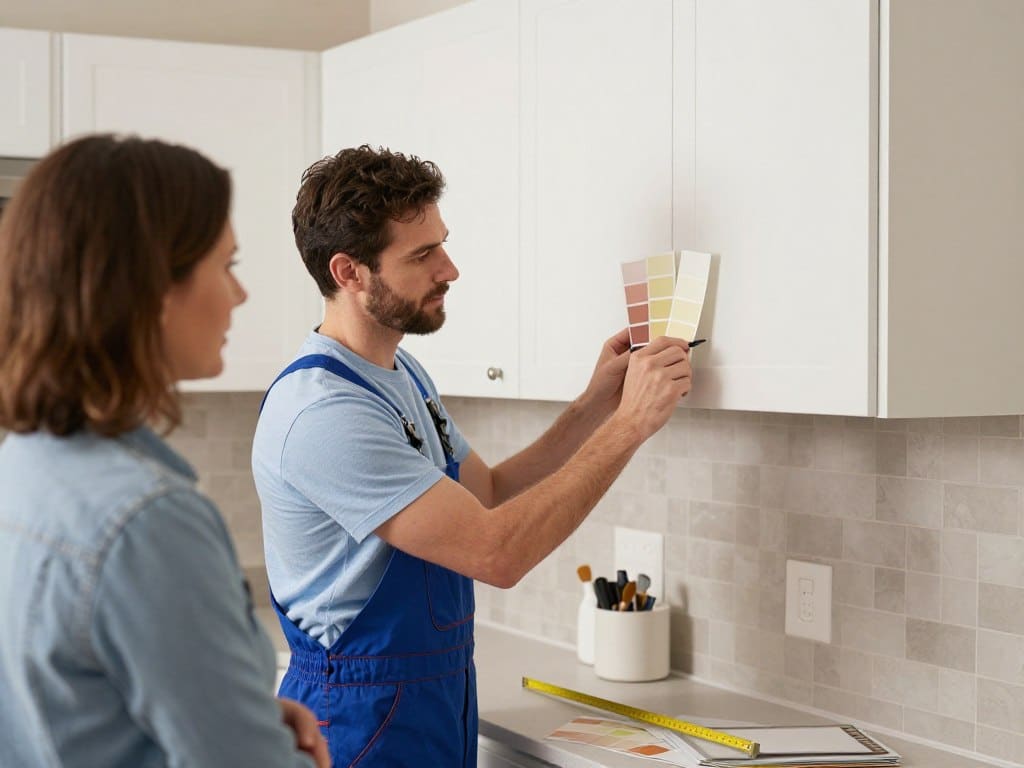
Color selection is exciting, but it is only one part of the decision. A sample that looks neutral in a showroom can appear warmer, cooler, or darker under your kitchen lights. The countertop, backsplash, flooring, and nearby wall colors all influence the final impression. We encourage homeowners to evaluate choices in the actual room rather than judging from a digital preview alone.
Light, Versatile Neutrals
Soft whites, warm off-whites, and subtle grays can create an airy appearance. They also make it easier to refresh wall colors or hardware later without rethinking the entire palette. Different undertones deserve careful testing.
Deeper Colors and Islands
Navy, charcoal, muted green, or another accent color can give an island or lower cabinetry definition. Dark finishes can make fingerprints and wear more noticeable in some conditions, so sheen and cleaning expectations matter.
Finish and Sheen Selection
Cabinet-ready coatings come in different sheens. Satin or semi-gloss options may be suitable for many kitchens, but the right choice depends on the particular product, surface texture, and the look you want.
We also help homeowners think about hardware. Changing knobs and pulls can make newly painted cabinets feel more contemporary without altering the layout. If you plan to change pull spacing, those decisions should be made before the painting process, since old holes may need repair and new placement must be measured carefully.
Interior walls are part of the same visual picture. Our interior painting services can help you plan complementary wall colors, ceilings, and trim in a coordinated project rather than treating the cabinets as an isolated surface.
Timeline, Drying, and What to Expect During the Project
A cabinet refinishing project involves preparation, coating application, drying, handling, and reinstallation. The schedule depends on the number of doors, the existing surface, the level of repair, the coating system, and where the components will be finished. A small bathroom vanity can have very different requirements from a large kitchen with detailed doors and extensive cabinetry.
We discuss access to the kitchen, protection needs, and scheduling before the work begins. In some projects, cabinet doors and hardware are removed for off-site or controlled-area finishing; in others, work is performed on-site with appropriate masking. The method must fit the surfaces and the agreed scope. Your estimate should explain the anticipated approach rather than leave you guessing what will happen in the house.
Before work
Confirm Scope and Colors
We review material condition, the number of components, requested finish, optional hardware updates, and whether any repairs or related painting work should be included.
During work
Protect, Prep, and Coat
We explain which areas are temporarily unavailable and how components are being handled. Coating and drying intervals follow the manufacturer’s specifications and actual conditions.
After work
Reassemble and Use Carefully
Doors may be ready to reinstall before a coating reaches its full hardness. We explain gentle-use and cleaning recommendations so you can protect the new finish during the early curing period.
Dry to the touch is not the same as fully cured. The time before normal use varies by product and conditions. We avoid promising that every kitchen will be ready on the same fixed schedule, because proper drying and curing are essential to a durable result. If you have a family event, move-in date, or other deadline, please discuss it with us before scheduling.
What Affects the Cost of Cabinet Painting?
Two kitchens can have similar floor plans but require very different amounts of work. A price based only on the number of cabinets can miss the time needed for detailed door profiles, repairs, heavy grease buildup, or complicated access. We prefer estimates that explain the actual scope rather than an unsupported flat number that later changes.
Number of Doors and Drawers
More individual pieces mean more surfaces to clean, prep, coat, handle, and reinstall. Detailed molding and recessed panels can also require additional attention compared with simple flat-front doors.
Condition of Existing Cabinets
Older coatings, contamination, worn edges, or minor damage can increase preparation requirements. Surfaces that are not suitable for painting may need a different solution before a quotation can be finalized.
Chosen Finish and Color Change
A dramatic shift from dark wood to a light painted finish may require additional steps. Primer selection, test areas, and the particular coating system influence labor and material needs.
Additional Scope
Painting cabinet interiors, changing hardware, repairing old holes, or coordinating wall and trim painting can affect price. We discuss these items separately so the agreed work is clear.
If you’re comparing estimates, ask what is included in cleaning, preparation, primer, number of coats, reassembly, protection, and final inspection. A less expensive proposal is not necessarily better value if essential preparation is excluded. We provide a project-specific quote after reviewing the details.
How to Care for Newly Painted Cabinets
Daily habits have a real effect on how a cabinet finish ages. Even high-quality coatings are not immune to scratches, harsh cleaning chemicals, standing water, or repeated impact around handles. The best maintenance plan is simple: understand the product-specific curing period, use gentle cleaning methods, and deal with moisture promptly.
Small Habits That Protect the Finish
During early curing, avoid aggressive scrubbing, tape, and unnecessary friction. Once the finish is ready for routine cleaning, use the method recommended for that particular coating. Mild cleaning products and a soft cloth are often appropriate, while abrasive pads or strong solvents can damage painted surfaces.
Wipe up splashes around sinks and dishwashers rather than leaving water on joints or edges. Keep hinges adjusted so doors do not rub against adjacent surfaces. If a chip appears, ask about the appropriate touch-up method instead of applying an unrelated paint product that may leave a visible patch.
Good habits do not require constant maintenance. They simply help you get more from the finish you have invested in. During our final walkthrough, we can explain basic care expectations and any product-specific restrictions relevant to your project.
Why Homeowners Choose MR Paint
Cabinet painting takes place in one of the busiest parts of a home. That makes communication, cleanliness, and an organized plan especially important. Our goal is not merely to deliver an attractive finish; it is to make the experience understandable and respectful of the space you use every day.
Careful Planning
We discuss the color, scope, component handling, and expected schedule up front. Clear decisions before painting reduce surprises and help the result suit your home rather than a generic sample.
Clean, Respectful Work
We protect nearby surfaces as appropriate, organize tools and materials, and pay attention to the details that keep a painting project from becoming more disruptive than necessary.
Consistent Finish Quality
Preparation, suitable products, controlled application, and final review work together. We focus on an even appearance and on explaining how to care for the finished surfaces.
Local Cabinet Painting for Central New Jersey
MR Paint has served homeowners and businesses in the area since 2011. From our base in South Amboy, we work with customers who want dependable scheduling and thoughtful painting work, whether the project involves a single room, a full interior update, or refinished kitchen cabinetry. Our service area generally covers eligible New Jersey locations within a 35-mile driving radius.
If you are considering other work at the same time, we also offer exterior painting, deck staining and painting, and broader residential painting services. Coordinating related work can make color choices and scheduling easier, provided the scope is discussed before the estimate is finalized.
Learn more about our background on the About Us page. If you have questions about a business property or commercial interior, you can also review our commercial painting services.
Not sure whether your town is within our service area? Send us the property ZIP code and a brief description of the cabinet work; we’ll confirm availability.
Frequently Asked Questions About Cabinet Painting
These are some of the questions homeowners ask when deciding whether to repaint their kitchen or bathroom cabinets. Because conditions vary, the final recommendation comes from seeing the cabinetry and discussing your goals.
Is cabinet painting worth it if my kitchen is still functional?
Often, yes. If cabinet boxes and doors are structurally sound and you like the current layout, painting can update the room’s appearance without the major demolition associated with full replacement. We assess the surface and existing finish before recommending the work, because paint cannot solve problems such as serious water damage or warped cabinetry.
How long does a cabinet painting project take?
There is no universal schedule. The number of doors, preparation requirements, repairs, coating system, drying conditions, and reinstallation all affect timing. We discuss the expected sequence during your estimate and explain when the kitchen or bathroom will be available for normal use.
Can you paint cabinets made from wood, MDF, or laminate?
Many wood and engineered surfaces may be paintable, but the process depends on their condition and existing finish. Some laminates or factory-coated materials are difficult to bond to, and damaged thermofoil or peeling veneers may not be suitable. We evaluate the material and recommend an appropriate approach rather than promising one method for every cabinet type.
Do cabinets need to be sanded before painting?
Cleaning and adhesion preparation are essential, but the exact method varies by product and substrate. Some finishes need controlled sanding or deglossing; others require a compatible bonding primer and testing. We follow the selected coating system’s instructions instead of assuming that aggressive sanding is always needed.
Is sprayed cabinet paint better than brushed or rolled paint?
Spraying can produce a very smooth, consistent appearance when equipment, environment, and technique are properly controlled. However, application choice also depends on cabinet geometry, access, masking needs, and product requirements. A quality finish involves much more than the tool used for the final coat.
Will painted cabinets be easy to clean?
Cabinet-specific coatings are selected with ordinary cleaning and handling in mind. Once the product has cured sufficiently, gentle cleaning with appropriate materials is usually straightforward. The exact recommendations depend on the coating, so we explain how to clean it and what to avoid during the early curing period.
Can I use two different cabinet colors in the same kitchen?
Absolutely. A contrasting island or different upper and lower cabinet colors can create a coordinated, custom look. We suggest testing colors in your kitchen’s actual lighting and comparing them with counters, flooring, backsplash, and wall paint before making the final decision.
Do you remove cabinet doors and hardware?
Removal is commonly part of a professional cabinet refinishing process, especially when door faces and edges need controlled access. The specific removal, handling, and reassembly plan depends on the cabinetry and the agreed project scope, which we discuss before work begins.
Can the kitchen be used while the cabinets are being painted?
Some activities may remain possible, while others can be temporarily limited by masking, material staging, drying, or coating work. We explain expected access restrictions during scheduling. We recommend planning ahead for meals and storage if cabinet doors or drawers need to be removed for part of the project.
How much does professional cabinet painting cost?
Pricing depends on cabinet quantity, door detail, condition, preparation, coatings, repairs, and any optional work. An accurate estimate requires reviewing the cabinetry and confirming what is included. Call us or use our contact form for a free, no-obligation assessment of your particular project.
How do I protect the finish after painting?
Follow the product-specific guidance for curing and early handling. Avoid abrasive cleaners, unnecessary friction, or harsh chemicals, especially soon after installation. Wipe up standing water and keep door hardware properly aligned. We provide appropriate care recommendations at the end of the job.
How do I request a free cabinet painting estimate?
Call (908) 963-7371 or use the contact form. Tell us your location, approximately how many cabinets are involved, and whether you want a full color change or another type of update. Photos and a description of your preferred finish can help us prepare for the discussion.
Ready to Give Your Cabinets a Fresh Start?
A thoughtful cabinet painting project starts with sound surfaces, a clear plan, and the right finish for your home. MR Paint is here to help you weigh your options and move forward with confidence.
Based in South Amboy, NJ • Serving eligible New Jersey locations within a 35-mile driving radius