A well-repaired wall should look like it belongs in the room—not like a patch was added later.
MR Paint provides professional drywall repair services for homeowners and businesses across Central New Jersey. From nail holes and dented corners to damaged seams and larger wall openings, we focus on stable repairs, careful finishing, and a surface that looks consistent after painting. The goal is straightforward: restore the appearance of your walls while treating the surrounding space with care.
We are based in South Amboy, NJ, and have served the region since 2011. Our approach combines a thorough assessment, the right repair materials, controlled application of joint compound, and thoughtful sanding. When painting is part of the project, we also evaluate primer, color, sheen, and the surrounding wall texture so the repaired area blends as naturally as conditions allow.
Every repair is different. A shallow dent needs a different solution from a damaged section behind a door; a settling crack calls for a different assessment from a stain left by a plumbing leak. We explain those differences before work begins and provide a clear estimate based on the actual condition of the surface.
Need drywall repair in South Amboy or a nearby New Jersey community? MR Paint serves properties within an approximately 35-mile driving radius of South Amboy, subject to location and project availability. Tell us what happened, share a photo if possible, and we will help you decide on the next step.
Drywall Damage We Repair in Homes and Businesses
Walls and ceilings experience daily wear. Furniture gets moved, doors open too far, pictures are rehung, and older joint tape may loosen. Some damage is cosmetic; other issues suggest movement or moisture that must be investigated first. We start by identifying the problem rather than covering it with a quick coat of compound.
Our drywall repair work may include patching, taping, finishing, surface preparation, and coordination with interior painting. The exact scope depends on the size of the damage, accessibility, substrate condition, and whether matching surrounding texture or paint is part of your estimate.
Holes, Dents & Impact Damage
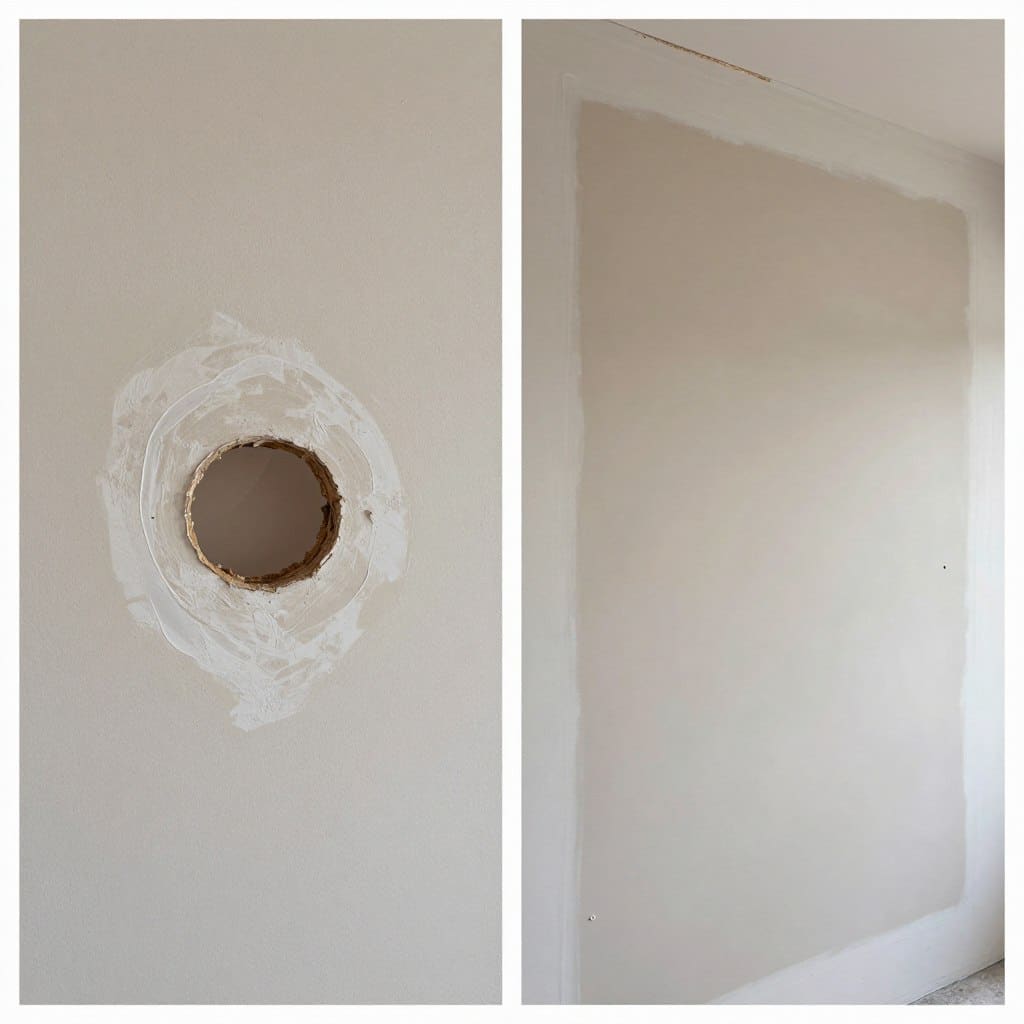
Doorknobs, moving furniture, fixtures, and accidental impacts can leave openings ranging from a small puncture to a damaged section of wall. We examine the edges and choose an appropriate filler, reinforced patch, or replacement piece rather than treating every hole the same way.
Cracks, Seams & Corner Damage
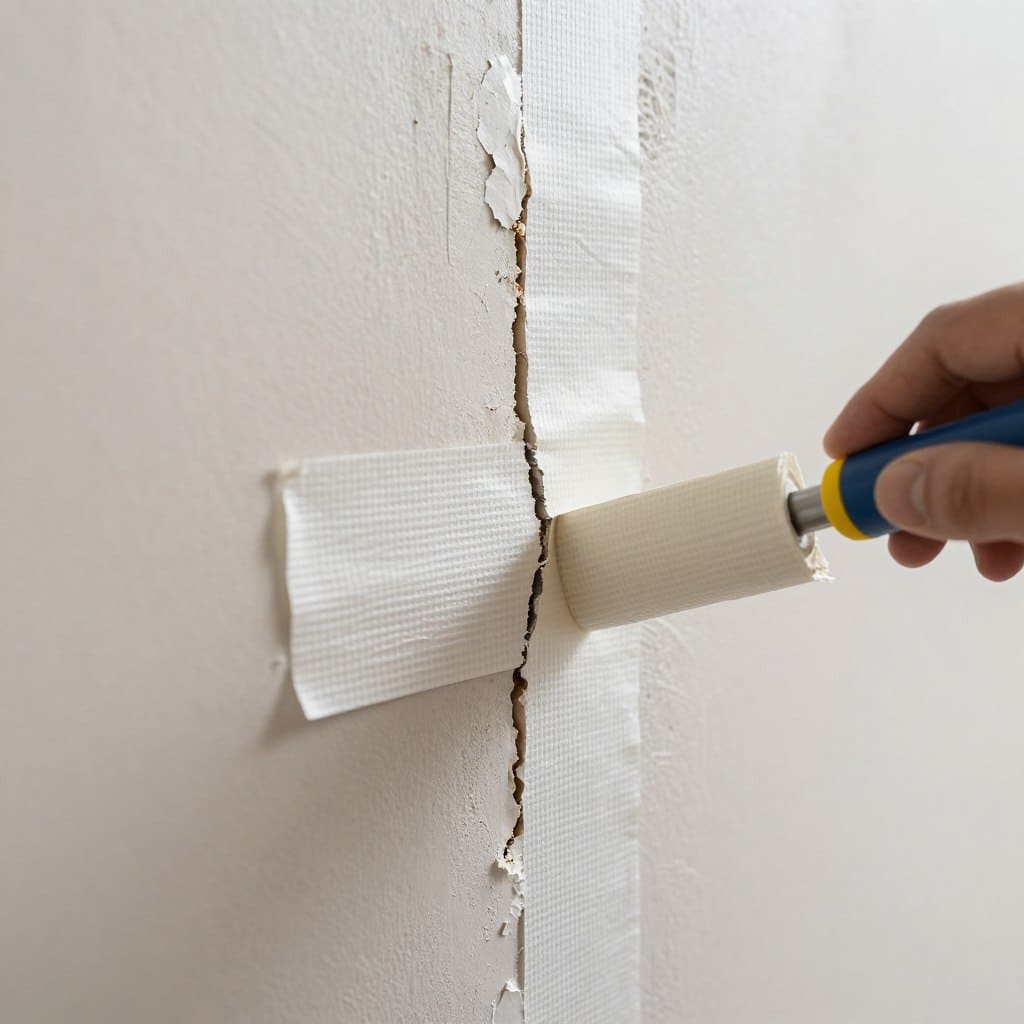
Visible joint lines, hairline cracks, and chipped corners can stand out sharply under interior lighting. We assess whether the issue is limited to the finish or may be associated with ongoing movement. Repair may involve removing loose material, reinforcing seams, and rebuilding a smooth transition.
Water Stains & Damaged Panels
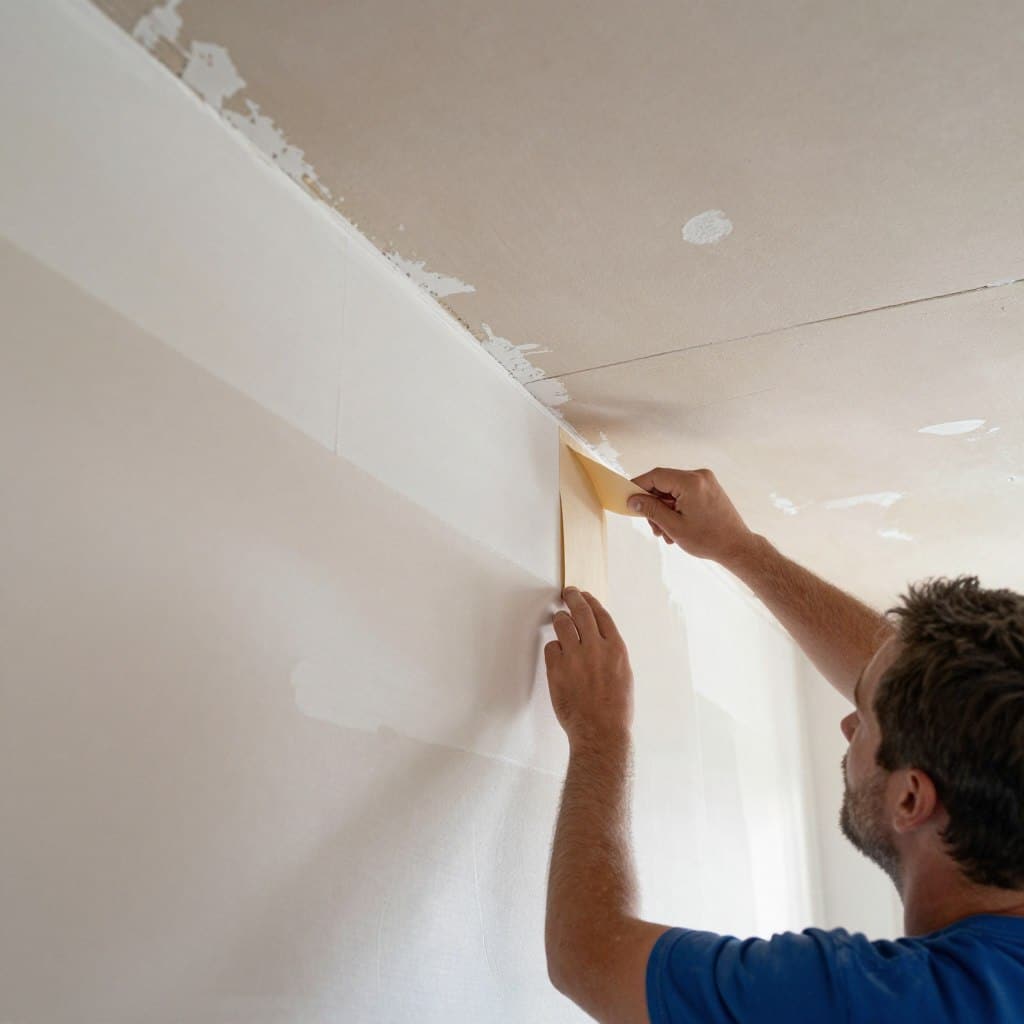
Discoloration, bubbling paint, and soft drywall require special attention. The water source must be resolved and the material evaluated before a cosmetic repair. Depending on the damage, an affected section may need replacement, drying, or specialist assistance before finishing and painting can begin.
Our Professional Drywall Repair Process
Durable results come from a sequence of small decisions made correctly. A patch can look smooth immediately after sanding yet become visible after paint if the backing is weak, the seam is too thick, or primer was skipped. MR Paint uses a methodical process that gives each layer a purpose and avoids rushing the finish.
We also consider your home during the work. Drywall finishing can create dust, so work-area protection, careful material handling, and cleanup matter just as much to your experience as the appearance of the repaired surface.
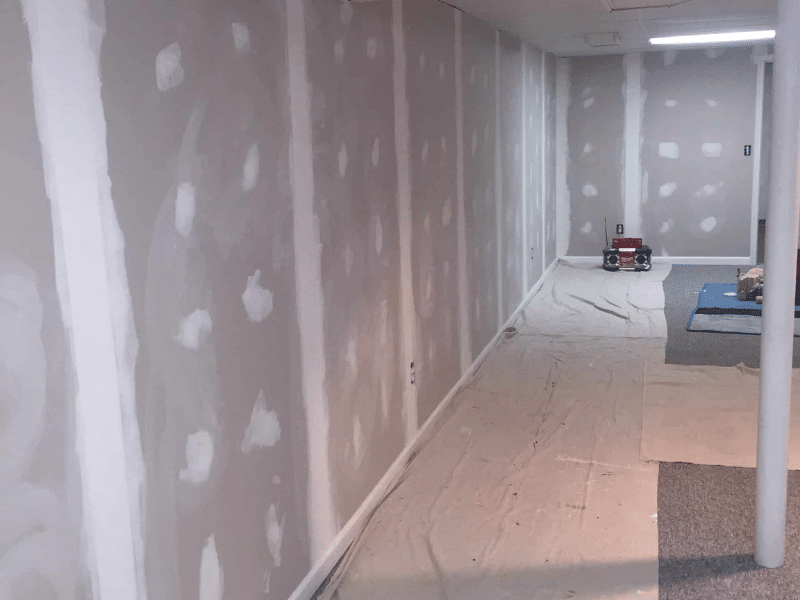
STEP 01
Inspect & Protect
We examine the damaged area, check whether the surrounding wall is sound, and identify details that could affect the repair. When necessary, we discuss whether moisture, recurring movement, or another underlying problem needs attention first. Furniture, floors, nearby trim, and fixtures are protected before work starts.
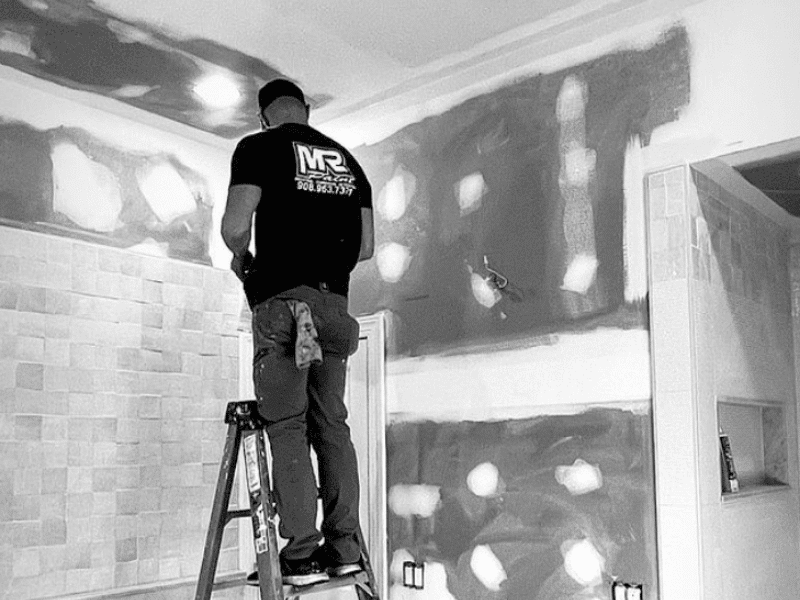
STEP 02
Build a Stable Repair
The damaged area is prepared for the method it needs. That may mean filling a minor imperfection, reinforcing a crack, installing support behind an opening, or replacing a section of compromised board. The replacement should align with the surrounding surface and remain secure before any finishing compound is applied.
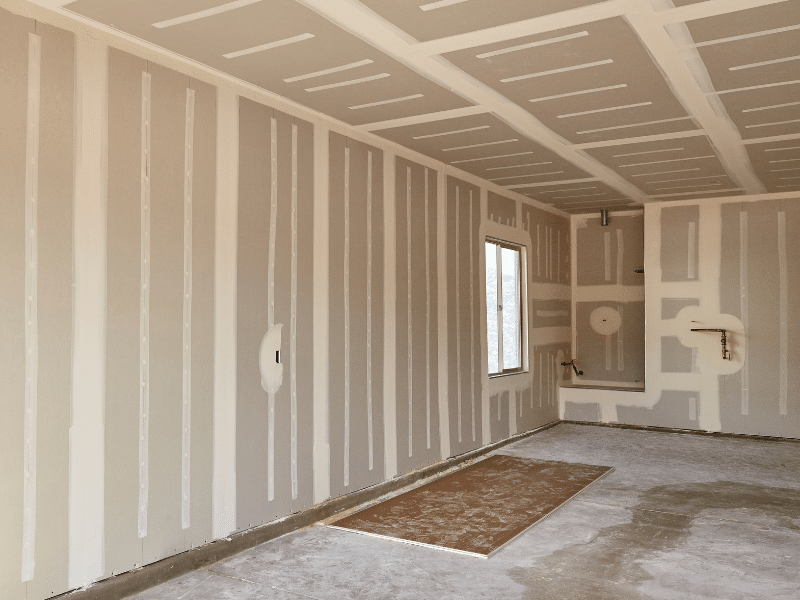
STEP 03
Tape, Coat & Feather
We use a compatible tape and joint compound system for the repair. Instead of building one thick ridge, finishing coats are extended gradually beyond the joint to reduce visible transitions. The number of coats and the time between them depend on the product, depth of repair, temperature, and humidity.
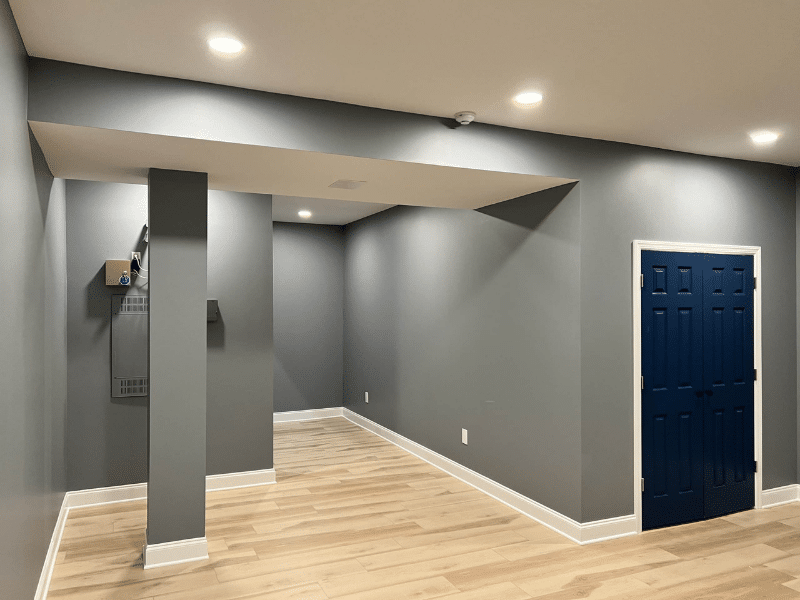
STEP 04
Sand, Inspect & Prepare to Paint
Once the compound is ready, we refine the surface and inspect it from more than one angle. Lighting can reveal edges that are difficult to see straight on. We address remaining imperfections and, when included in the agreed scope, prepare the area for primer, texture matching, and a coordinated paint finish.
Ready to Get Your Walls Looking Right Again?
Tell us what needs repairing and we will explain the next step, the likely scope of work, and how to schedule a free estimate.
Choosing the Right Repair for the Size and Condition of the Damage
There is no universal patch that works for every wall. The best repair depends on the size of the opening, the integrity of the gypsum board, and what is happening around it. A small cosmetic repair typically needs less rebuilding than a large section that no longer has dependable support.
Minor Nail Holes & Surface Dents
Small imperfections can often be cleaned, filled, sanded, and primed without opening the wall. The surrounding paint texture and sheen still matter: a neat fill can remain visible if the finishing and paint are not blended thoughtfully.
Medium Openings & Doorknob Damage
A damaged area that has lost its support may need a reinforced patch rather than filler alone. We inspect for loose paper, crumbling edges, and nearby fasteners, then select a repair system suitable for the opening and its location.
Large Holes & Loose Board Sections
When a wide section is missing or soft, partial replacement may be appropriate. Secure backing, compatible panel thickness, correct fastening, and an even surface are important before tape and compound go on. Larger repairs may require additional visits or drying time.
Recurring Cracks or Widespread Damage
A crack that returns repeatedly can be a sign of movement or another condition beyond the paint layer. We assess what can reasonably be repaired with drywall finishing and explain when an underlying issue should be evaluated by an appropriate specialist first.
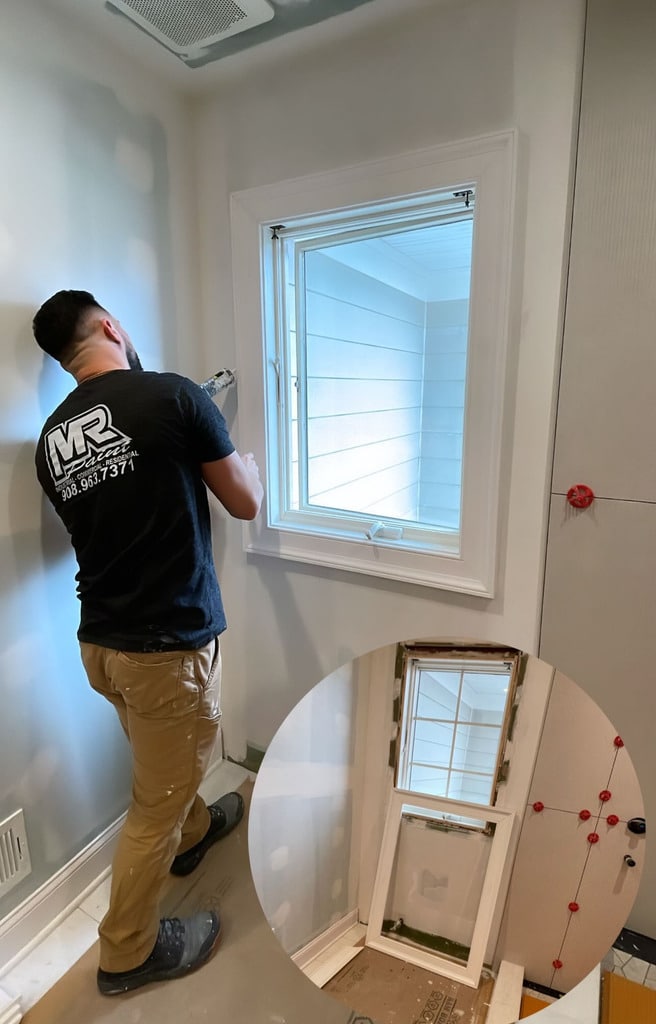
Matching panel thickness, texture, and surrounding wall conditions matters as much as filling the actual opening. A new patch that sits slightly proud of an existing wall may produce a shadow under side lighting, especially when glossy paint is used. A properly planned repair reduces that risk by focusing on the shape of the finished surface.
Why Taping, Joint Compound & Feathering Matter
Homeowners often judge drywall repair by whether the hole has disappeared. Professionals look at a wider area. The edges of the patch, the surrounding paper, the thickness of each coat, and the direction of the light all influence whether the repair looks natural after the final coat of paint.
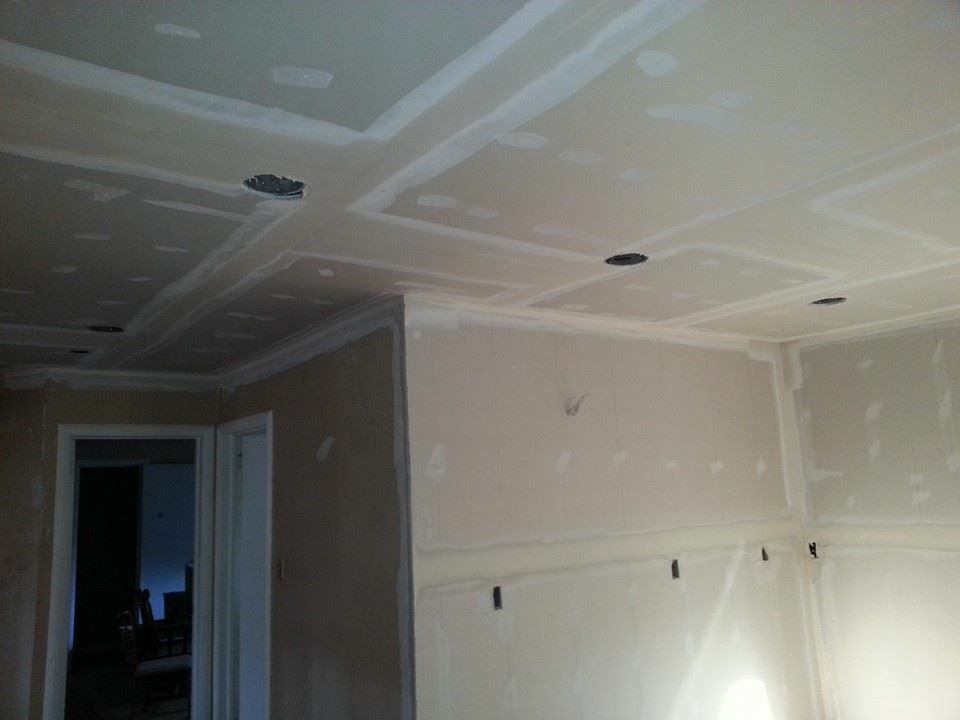
Joint Strength Starts Beneath the Finish
Tape and compound work together to reinforce a seam and create a paintable surface. The correct combination depends on the application and the manufacturer’s instructions. We avoid treating joint compound as a substitute for the backing or fastening that may be needed behind a larger opening.
When a patch is structurally stable, the next challenge is blending its edges. We plan for gradual transitions across the surrounding wall rather than stopping the finish abruptly at the opening.
That approach is particularly important in hallways, stairwells, and living spaces where natural or artificial light washes across the wall and highlights small changes in the surface.
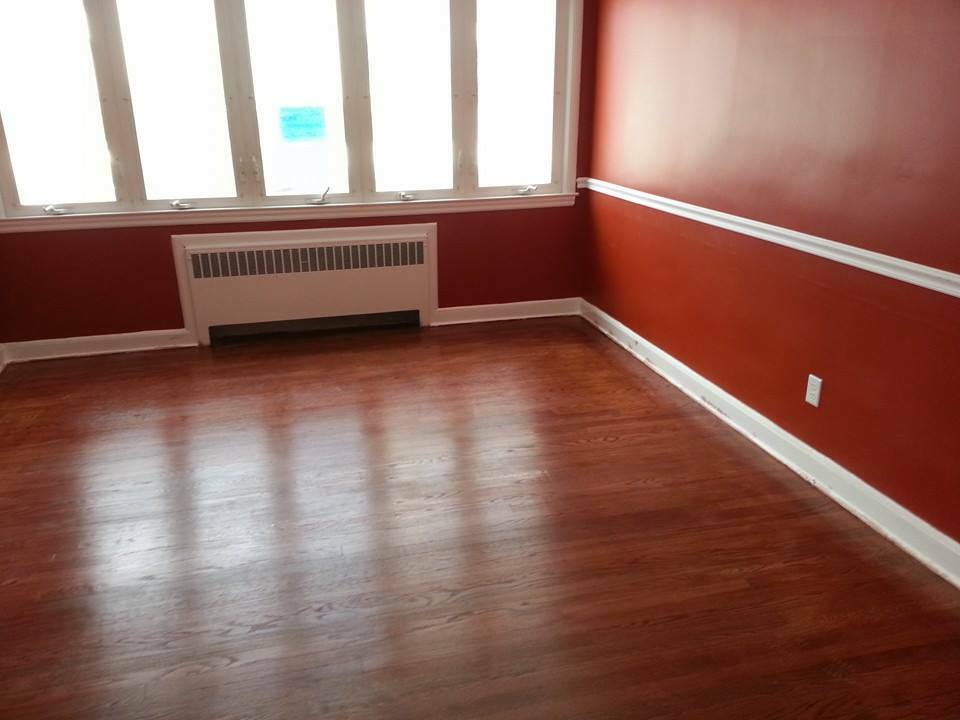
Finishing Is What Makes the Repair Belong
Additional finishing coats may be needed to make a repair visually consistent. Each coat should be allowed to set or dry as required, then checked before the next stage. Light sanding smooths small ridges; excessive sanding can expose the tape or damage the surrounding wall paper.
We evaluate the surface under angled light and by touch, because a wall that looks fine before primer can reveal an uneven edge afterward. A careful inspection helps identify these issues while they are still easy to correct.
For projects that also need a fresh color, our professional interior painting team can help plan finishing and repainting as one coordinated job.
Drywall Ceiling Repairs and Water-Damaged Walls
Ceiling damage presents different challenges from a wall patch. Gravity, overhead working conditions, ceiling texture, light placement, and moisture history all influence the method. The most important first question is whether the drywall is safe, dry, and sound enough to repair.
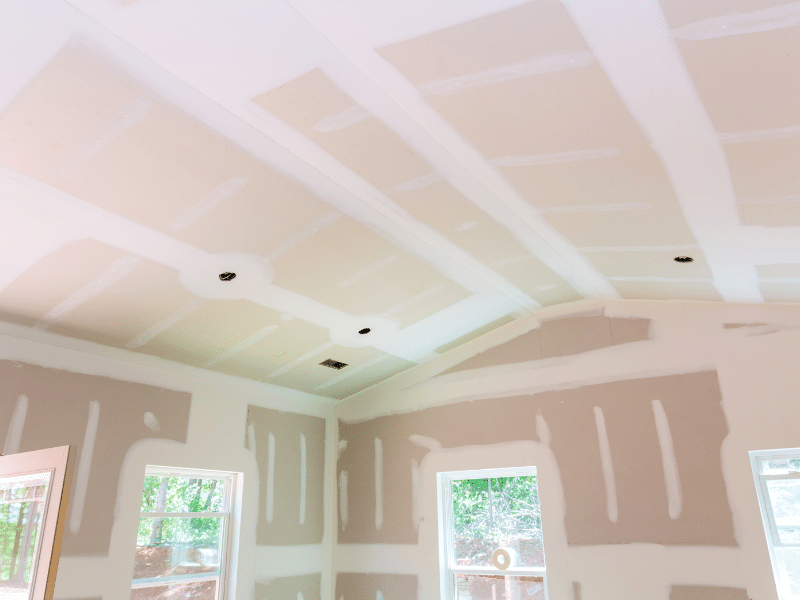
Ceiling Cracks, Tape Problems & Surface Defects
Ceiling seams and fastener marks can become more visible as lighting and temperature change. We look for loose compound, damaged tape, stains, and signs that the board itself may need attention. Where appropriate, the affected area can be prepared, reinforced, refloated, and refinished to suit the surrounding ceiling.
Ceilings may have smooth, stippled, or other decorative textures. Matching those textures involves more than patching the damaged area: we also consider the direction, scale, and consistency of the existing finish.
Moisture Must Be Addressed Before Cosmetic Repairs
A stained ceiling does not automatically mean the drywall can be painted over. The leak or moisture source should be repaired first, and the material should be evaluated for swelling, softness, or mold concerns. Wet or visibly compromised drywall may need to be removed rather than covered with compound.
The U.S. Environmental Protection Agency’s guide to mold and moisture explains why controlling moisture and drying water-damaged materials promptly are important. MR Paint can discuss the cosmetic drywall and painting stages; water intrusion, hazardous conditions, or significant mold issues may require qualified specialists before those stages can begin.
Once the underlying problem has been resolved and the repair area is suitable for finishing, we can discuss replacing damaged material, rebuilding a sound surface, and preparing it for stain-blocking primer where appropriate. The objective is a repair that is visually consistent without hiding a problem that may return.
From Drywall Patch to Paint-Ready Walls
A repaired area is not automatically ready for its final color as soon as the compound feels smooth. New joint compound and existing painted drywall absorb coatings differently. If primer is skipped, the patch may look duller or shinier than the surrounding wall, even when the paint color is identical.
Primer & Surface Sealing
Primer helps create a more uniform base across new compound and previously coated surfaces. Stained areas may require a different product from a clean patch. We recommend the coating system according to the surface condition and the paint chosen for the project.
Texture, Color & Sheen Matching
Walls can look different after years of light exposure and regular cleaning. Matching paint therefore involves more than finding the original color name. We consider texture, sheen, and whether touching up a small area or repainting a larger wall section offers the more consistent appearance.
For homeowners planning an entire room update, combining drywall repair with house painting services can simplify scheduling and reduce the number of separate contractors. If the room also needs changes to doors, trim, or other painted details, we can discuss those items during the estimate.
Planning a Drywall Repair: Timeline, Access & Expectations
A repair may be physically small but still involve several stages. Some fillers and setting compounds can be ready for the next step relatively quickly, while other materials require longer drying times. Humidity, ventilation, patch depth, texture, primer, and paint can all affect when the wall is ready for normal use.
During the estimate, it helps to discuss not only the size of the hole but also the final appearance you want. A simple patch in a utility room may have different finishing expectations from a highly visible living room wall or a ceiling with strong side lighting. Setting those expectations helps us recommend a scope that fits both the surface and your priorities.
Before Our Visit
Take a clear photo, estimate the dimensions of the damaged area, and tell us if the problem is spreading or has returned after a previous repair. If water was involved, mention whether the leak has been repaired and whether the affected material has dried.
During the Repair
Access to the wall or ceiling, space for protective coverings, and a practical work area help the project move smoothly. Our focus is to keep the surrounding room protected and explain any changes in the repair plan if hidden conditions become apparent.
After the Repair
Allow finish products and paint to cure according to their instructions. Normal household lighting may reveal differences more readily than workshop lighting, so we encourage a careful final walkthrough and clear communication about any concerns.
We do not publish a universal promise that every drywall repair takes one day. An accurate timeline depends on the damage and on the finish you want. When requesting an estimate, ask whether the scope includes patching alone, texture matching, primer, and painting so the finished result is clear from the outset.
Why Homeowners Choose MR Paint for Drywall Repair
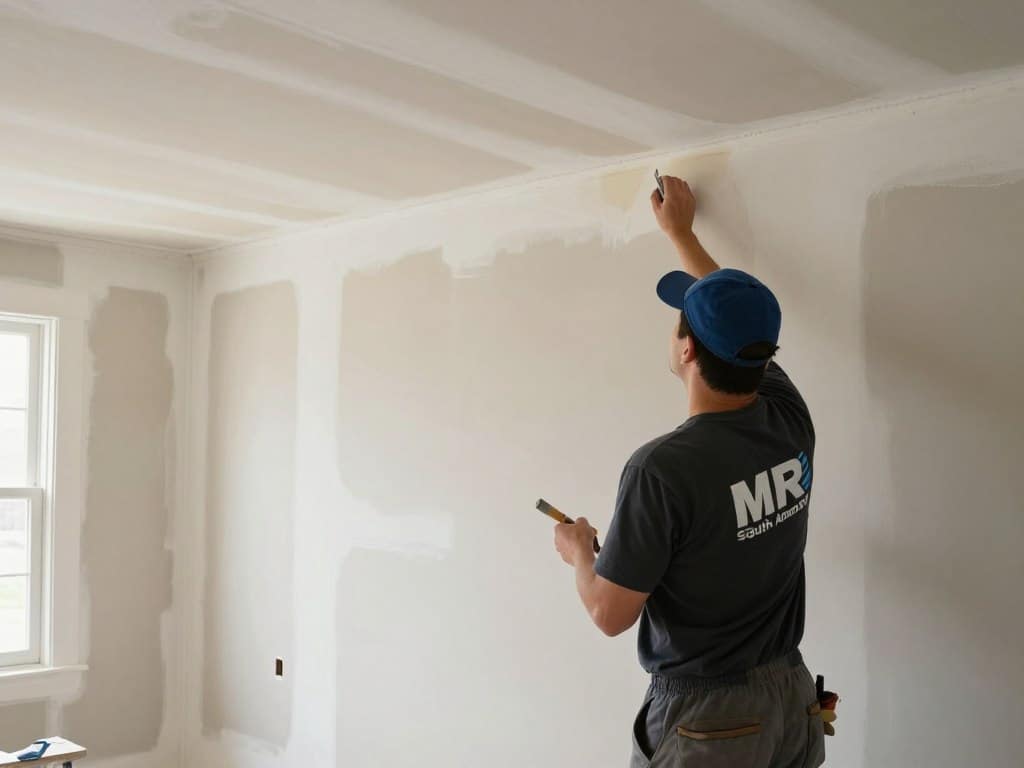
Craftsmanship, Clean Work & Clear Communication
Since 2011, MR Paint has worked with New Jersey homeowners and businesses on painting and related surface preparation. Our reputation is tied to practical habits: understanding what needs work, protecting the property, communicating the schedule, and checking the finish rather than rushing out after the last coat.
Drywall repair fits naturally into that approach. A wall patch is often only one stage of getting a room back to the appearance you want. With painting experience and attention to surface preparation, our team can help plan the transition from damaged drywall to a clean, finished room.
We stand behind our work and take customer satisfaction seriously. When evaluating a repair, we will explain the proposed scope and the appearance that can reasonably be achieved given the existing wall or ceiling.
- Careful assessment: repair recommendations based on the actual damage and surrounding surface.
- Respect for your property: floor and furniture protection, organized work, and cleanup.
- Quality finishing: attention to tape, compound, feathering, and readiness for paint.
- Reliable communication: clear expectations about timing, prep, and the next step.
- Related services: coordinated interior painting, commercial interior painting, and broader property updates.
Drywall Repair in South Amboy and Central New Jersey
MR Paint is based in South Amboy, New Jersey. We serve residential and commercial customers across the surrounding region within a roughly 35-mile driving radius, subject to the specific address and project scope. Our location allows us to assist homeowners who want a local company for wall repairs, ceiling patching, repainting, and related interior improvements.
Whether the damage occurred during a home update, after moving furniture, or while preparing a property for new occupants, we can review the situation and discuss availability. We also work with customers planning multiple improvements and can coordinate drywall preparation with larger painting projects when the timing and scope make sense.
If you are unsure whether your town falls within our service area, contact MR Paint with your ZIP code or address. We can confirm coverage before scheduling and let you know what photographs or measurements would help with an initial conversation.
Frequently Asked Questions About Drywall Repair
These answers cover common questions about repairing holes, cracks, ceilings, and water-related drywall damage. The right solution still depends on what we find during an assessment.
How much does drywall repair cost?
Cost depends on the opening size, access, surface condition, number of damaged areas, and whether texture matching, priming, and painting are included. A small patch may require less material than a large ceiling repair, but finishing needs can affect labor time. MR Paint offers free estimates so you can review a specific scope rather than relying on a generic price per hole.
Can a drywall repair be completed in one day?
Some small repairs may be completed in one visit, depending on the materials, drying conditions, and required finish. Others need additional coats or more time between stages. Painting or texture matching can also extend the schedule. We will discuss timing after assessing the damage instead of promising the same turnaround for every project.
Will the patched area be invisible after painting?
Our objective is to create a smooth, consistent repair that blends with the surrounding surface. Results depend on existing texture, wall flatness, lighting, and the age and sheen of the paint. In some rooms, repainting the full wall produces a more uniform appearance than touching up a small area. We will explain the options before work begins.
Can you repair a large hole in drywall?
Many larger openings can be repaired using a properly supported replacement section, compatible board thickness, tape, and finishing compound. Very widespread damage or unstable surrounding material may require a different approach. A photo and measurements help us plan an assessment and determine what is included in the estimate.
What causes drywall cracks to come back?
Some cracks are related to finish failure, building movement, moisture changes, or conditions at joints and corners. If a crack repeatedly returns, simply adding more compound may not solve the problem. We examine the pattern and discuss whether reinforcement is appropriate or another issue should be evaluated before refinishing.
Can you repair a ceiling after a leak?
Drywall restoration can be considered after the leak has been corrected and the affected materials are confirmed suitable for repair. Soft, swollen, contaminated, or significantly deteriorated panels may need replacement or specialist assessment. Paint or stain-blocking primer should not be used to conceal an ongoing moisture problem.
Do drywall repairs need primer before paint?
New joint compound is typically more absorbent than an existing painted wall. A suitable primer helps even out absorption and can reduce differences in sheen. The right product depends on the surface and any stains that remain. We will explain primer and paint recommendations as part of the finishing plan.
Can you match an existing wall or ceiling texture?
We can evaluate smooth, lightly textured, and decorative surfaces to determine a practical matching approach. Texture variations, previous repairs, and differences in lighting can influence the final appearance. A sample area or a larger repaint may be appropriate for surfaces where consistency is especially important.
Should I repair drywall before repainting a room?
Yes. Holes, loose tape, surface dents, and visible cracks should be assessed and addressed before applying finish paint. Repairing and priming the damaged areas first helps the final coating look more uniform. If you are planning a room makeover, combining repairs with our interior painting services may simplify scheduling.
Do you repair drywall in commercial spaces?
MR Paint provides residential and commercial painting services and can review drywall repair requests in offices and other commercial interiors. Access, working hours, safety requirements, and finish expectations may differ from a home project. We will confirm the scope and availability during the estimate; for larger commercial updates, see our commercial interior painting page.
How should I prepare the room before the repair?
Remove fragile items and valuables from the immediate area, and let us know about furniture that cannot be moved easily. If the damage is near plumbing, electrical fixtures, or a suspected leak, mention that when contacting us. We will discuss work-area protection and access needs before starting.
What areas does MR Paint serve?
We are based in South Amboy, NJ, and serve many surrounding Central New Jersey communities within an approximately 35-mile driving radius. Coverage depends on the exact address and project. Share your location through our contact page or call us at (908) 963-7371 to confirm availability.
Ready to Restore Your Walls?
From small drywall holes to damaged seams and ceiling repairs, MR Paint can help you plan a clean, professional repair. Tell us about the problem, the room, and whether you also want the area painted. We will explain the next step and help you request a free estimate.
Based in South Amboy, NJ • Residential and commercial projects • Serving surrounding Central New Jersey communities