
A beautiful deck should feel like a natural extension of your home. MR Paint provides professional deck staining and painting for homeowners across Central New Jersey, with careful preparation, thoughtful product selection, and finishes designed for real outdoor use.
Whether your boards have faded under the sun, a previous coating has started to peel, or you simply want a different color, the right treatment begins with understanding the condition of the wood. We take the time to evaluate what is already there before recommending a finish. That means you receive guidance based on your deck, rather than a one-size-fits-all application.
Based in South Amboy, MR Paint serves New Jersey communities within approximately 35 miles by road. Our focus is straightforward: protect surrounding areas, communicate clearly about the work, use products appropriate for the surface, and leave you with a finish that complements your home. We also offer complimentary color consultation and free estimates.
If you are comparing colors, wondering whether to stain or paint, or planning to refresh your outdoor space before the next season, we can help you decide on a sensible next step.
Professional Deck Staining and Painting Services
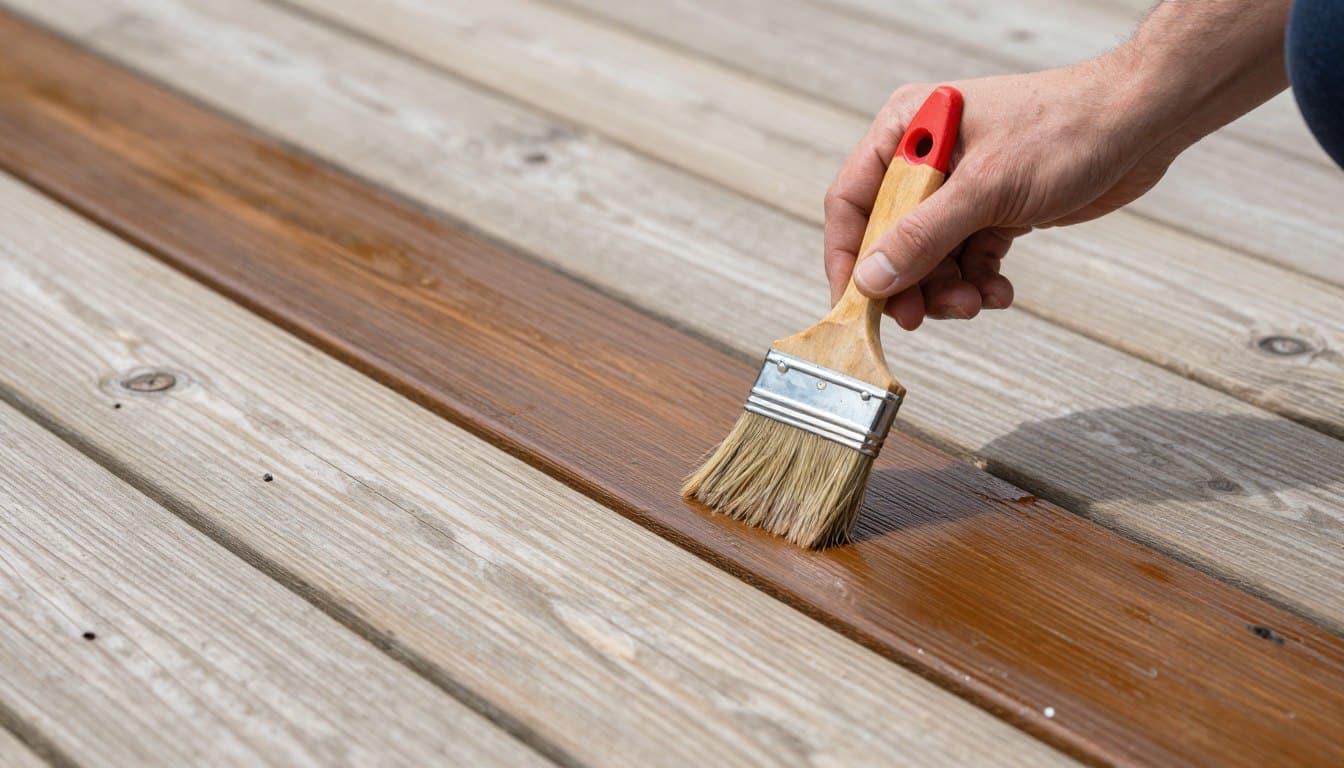
Your deck works hard throughout the year. It may face rain, direct sunlight, falling leaves, fluctuating temperatures, and frequent foot traffic. As finishes age, boards can become discolored, rough, or uneven in appearance. A suitable exterior coating can improve how the wood looks and help limit moisture and weather-related wear when correctly applied and maintained.
Our deck staining services are meant for homeowners who want more than a quick color change. A successful project accounts for the age of the decking, how much previous finish remains, the exposure of each section, and the maintenance you are comfortable performing later. The most durable choice is not automatically the darkest stain or the thickest coating; it is the one compatible with the substrate and its existing condition.
Some decks benefit from a transparent or semi-transparent treatment that allows the wood grain to remain visible. Others need a more opaque finish to create a consistent appearance. Painted decks can also be a practical option in appropriate situations, but they have different preparation and maintenance requirements. We explain these tradeoffs during the estimate so you can make an informed decision.
Looking at other exterior improvements at the same time? You can explore our exterior painting services or visit the house painting services hub to see the broader residential work we offer.
Deck Preparation: The Foundation of a Better Finish
Preparation is where the quality of a deck staining project is often decided. Putting a new coating over dirt, damaged wood fibers, or loose old stain can leave the finished surface patchy or shorten its useful life. We assess the deck first, then determine which preparation steps are appropriate for its condition and the selected product.
1. Review the Surface
We look for weathering, worn coatings, protruding fasteners, splinters, and visibly deteriorated boards. If we notice a possible structural or safety concern, we explain it before coating. Stain is a finish, not a substitute for carpentry or structural repairs, and those issues should be addressed by an appropriately qualified professional.
2. Clean Without Damaging Wood
Built-up grime, mildew residue, pollen, and loose material interfere with adhesion or penetration. Cleaning methods depend on the surface: a suitable wood cleaner, controlled rinsing, or cautious washing may be used. Excessive water pressure can scar deck boards, so equipment and techniques need to match the wood.
3. Assess Old Coatings and New Lumber
Peeling finishes may need removal, while new pressure-treated boards may need additional time before receiving stain. Simple water-absorption observations can be useful, but moisture conditions and the manufacturer’s instructions are what guide readiness. We do not assume every new or previously coated deck is immediately ready to stain.
4. Allow Drying and Detail Prep
Wood must be sufficiently dry for the product being applied. The required wait varies with weather, shade, prior cleaning, and the coating selected. Where appropriate, we sand rough areas, remove sanding dust, protect adjacent surfaces, and check conditions again before moving to application.
For reference, Benjamin Moore’s deck staining guide explains why cleaning, wood condition, drying, and product-specific directions all matter. We use manufacturer guidance for the product selected for each job rather than applying one rule to every deck.
How Our Deck Staining Process Works
Knowing what to expect makes planning easier. We discuss the work area, the condition of the boards, the desired finish, and scheduling considerations before starting. The exact sequence depends on the deck and the coating, but most projects follow two main phases.
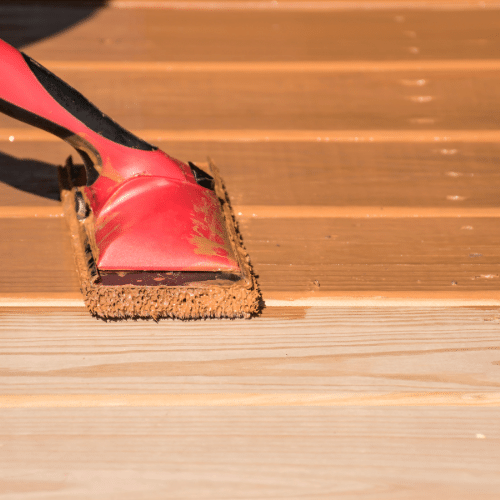
Step 1: Cleaning and Preparation
We begin by identifying the areas that need extra attention. Loose coatings, weathered sections, and buildup can require different treatments. Preparation may involve washing, removing compromised finish, spot sanding, or other surface work appropriate to the project.
We also consider how the work may affect steps, railings, nearby siding, landscaping, and access to the home. Clear expectations about drying time and when the deck can be used again help avoid surprises after application.
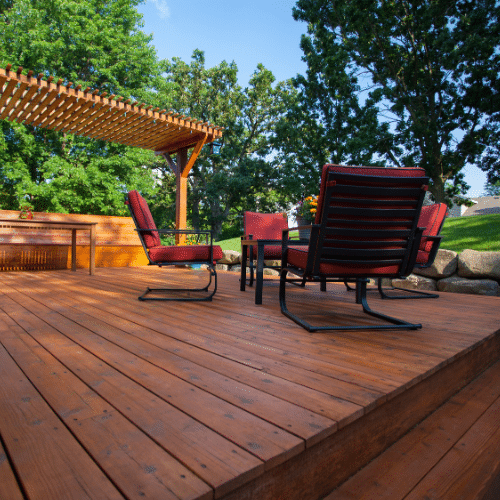
Step 2: Staining, Painting, and Review
Once the surface is ready and conditions are suitable, we apply the agreed-upon coating using a method appropriate for the product and boards. Consistent coverage, careful attention to edges, and following the direction of the wood all contribute to a more uniform appearance.
After application, we review the finish, discuss drying and use restrictions, and explain basic maintenance. We want you to understand how to care for the result, not simply receive a newly colored surface.
Not Sure What Your Deck Needs?
Tell us about the wood, the finish currently on it, and what you would like to change. We’ll help you identify practical options and arrange a free estimate.
Why Professional Deck Staining Makes a Difference
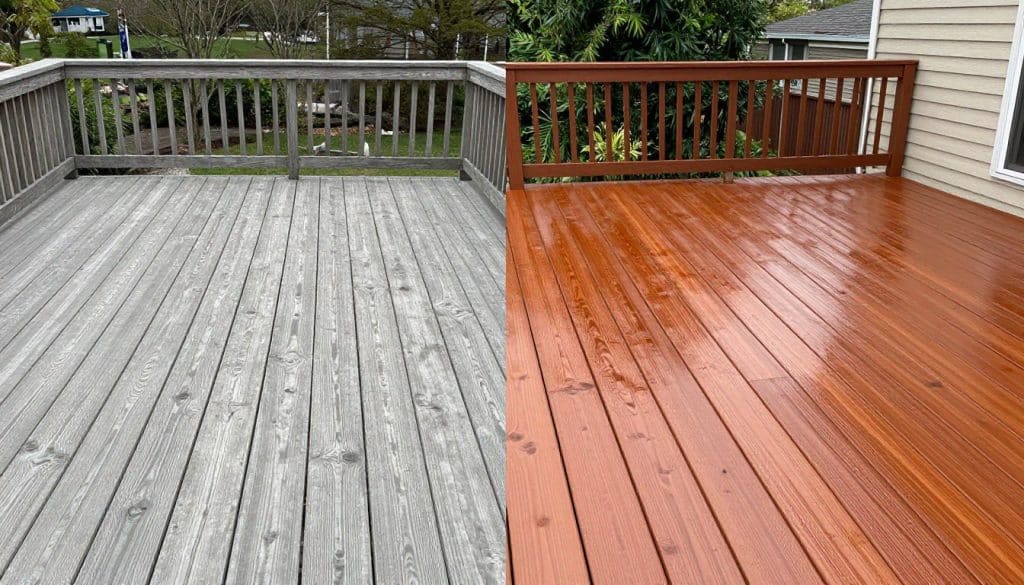
Deck refinishing may look straightforward until the work begins. Older boards can absorb stain unevenly, previous coatings can react differently from bare wood, and direct sun can change the time available to work with a product. Achieving a consistent finish takes more than choosing a color and opening a can.
Challenges Homeowners Commonly Face
- Knowing whether old stain should be cleaned, sanded, or removed.
- Choosing between transparent, semi-transparent, and solid finishes.
- Estimating how much product is needed for boards, rails, and stairs.
- Working around shade, sunlight, humidity, and an unpredictable forecast.
- Avoiding lap marks, uneven absorption, and unintended overspray.
What a Professional Approach Adds
- A condition-based preparation plan before application begins.
- Product recommendations matched to the wood and desired appearance.
- Organized surface protection and sensible scheduling.
- Attention to detail around rails, joints, edges, and stairs.
- Clear guidance about drying, routine care, and future maintenance.
Professional service also means knowing when not to coat. If moisture, unstable old finish, or damaged boards make the surface unsuitable, rushing the job can produce a disappointing result. An honest assessment is more useful than applying stain on a date that happens to be convenient.
Choosing the Right Deck Stain or Paint
There is no single finish that looks best on every deck. The right decision depends on the wood species, surface condition, existing coating, sunlight exposure, desired color, and the amount of grain you want to see. A sample area can also help you judge the final appearance, since the same stain may look different on new, aged, or previously treated boards.
Transparent Stains
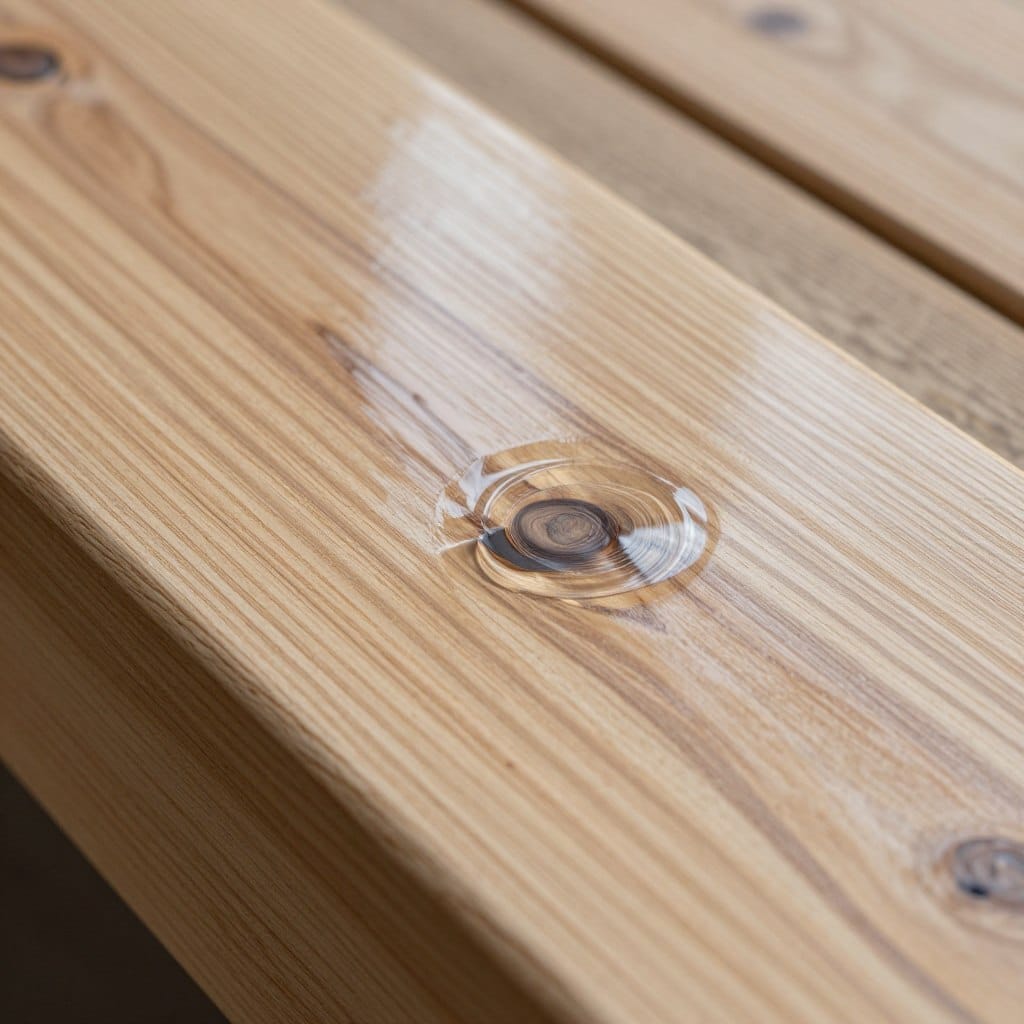
Transparent finishes preserve a natural wood appearance and allow the grain to remain prominent. They can be attractive where the underlying boards are in good condition, although their relatively low pigment content often means more frequent maintenance in exposed areas.
Semi-Transparent Stains
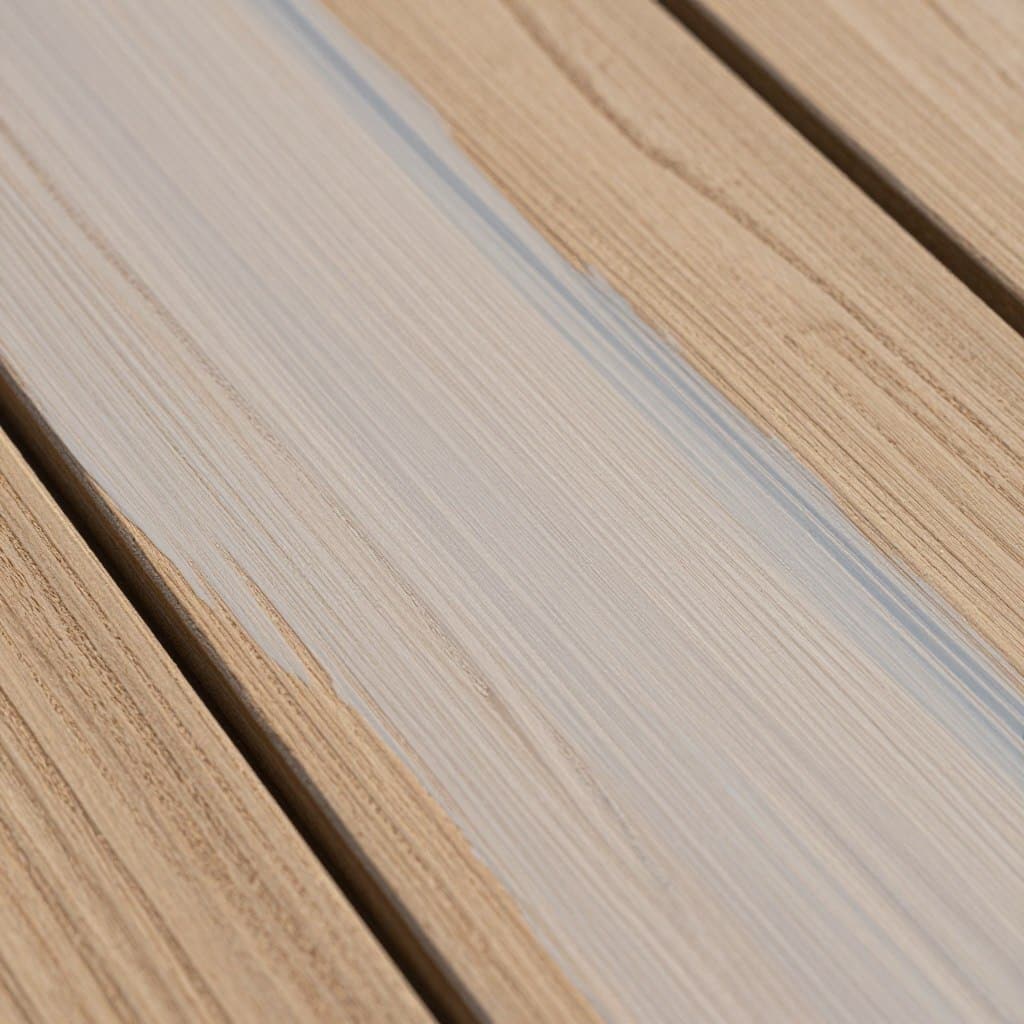
Semi-transparent stains add more visible color while allowing some grain and texture to show through. They are a popular compromise for homeowners who want wood character along with a more defined shade. The best option still depends on the deck’s condition and product compatibility.
Solid Color Stains
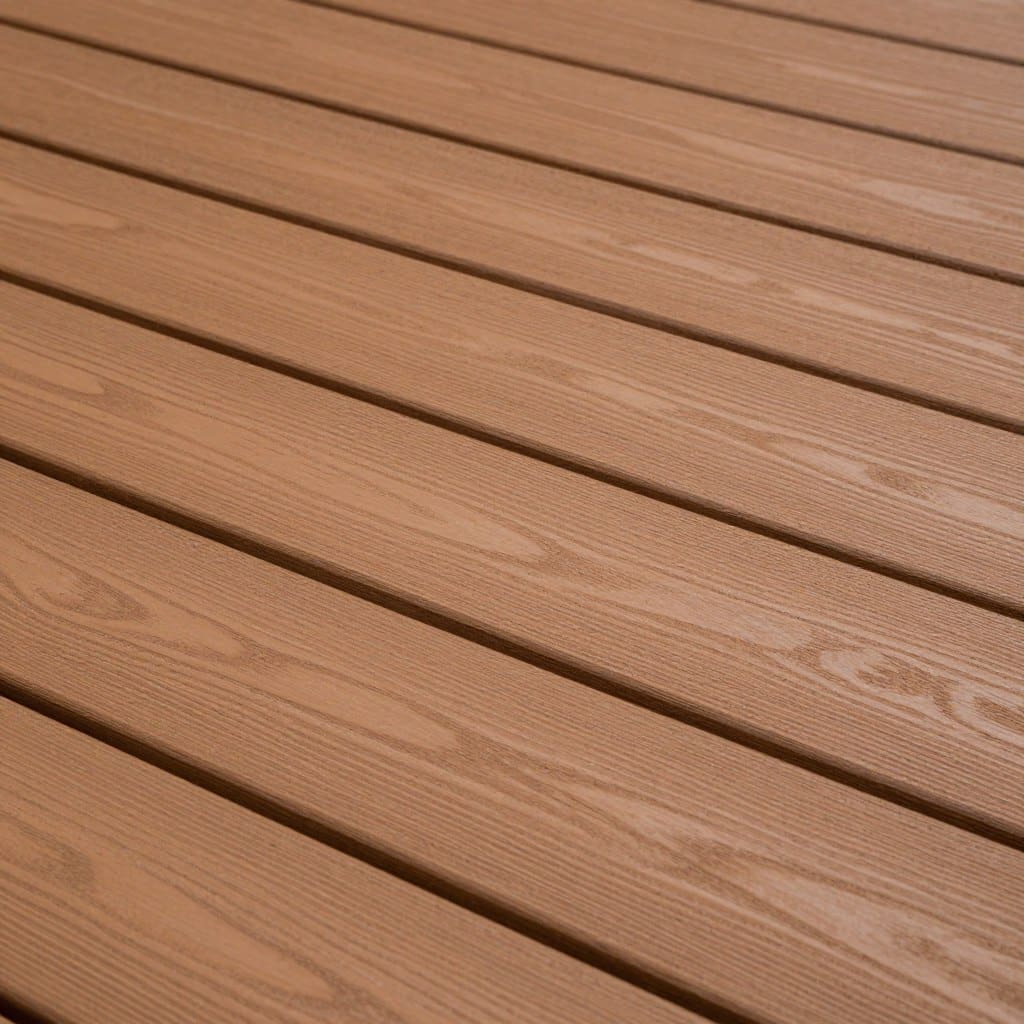
Solid stains create a more uniform color and conceal much of the visible grain. They may suit weathered decks when the underlying wood remains sound, but they cannot repair rot, loose boards, or structural damage. Thorough preparation is especially important when previous coatings are peeling.
What About Deck Paint?
Painting can provide a more opaque, decorative appearance, particularly when a homeowner wants a specific color. However, paint behaves differently from a penetrating stain. It generally forms a more continuous surface film, so adhesion, moisture management, and future peeling or maintenance deserve attention. We review those tradeoffs before recommending a painted finish.
For high-traffic deck surfaces, it is important to choose a product specifically intended for horizontal exterior use. A coating designed for siding or indoor trim is not necessarily suitable for a walking surface. We also distinguish a properly rated deck coating from a general-purpose exterior house paint. This product selection step helps match appearance goals with real-world exposure.
Color Consultation That Considers Your Whole Home
Deck color can connect your outdoor space to exterior siding, trim, railings, doors, and landscaping. Warm browns can emphasize natural surroundings, while grays may work well with cooler exterior palettes. Dark colors can provide contrast but may show dust or feel hotter under direct sunlight. We discuss samples and practical maintenance rather than choosing a shade solely from a digital screen.
If you are refreshing your home’s exterior at the same time, visit our exterior house painting page to plan a cohesive update.
The MR Paint Difference
MR Paint was established in 2011, and our approach reflects the priorities homeowners consistently care about: clean work areas, respectful communication, dependable scheduling, and attention to the final details. We want the process to be as straightforward as the finished deck is appealing.
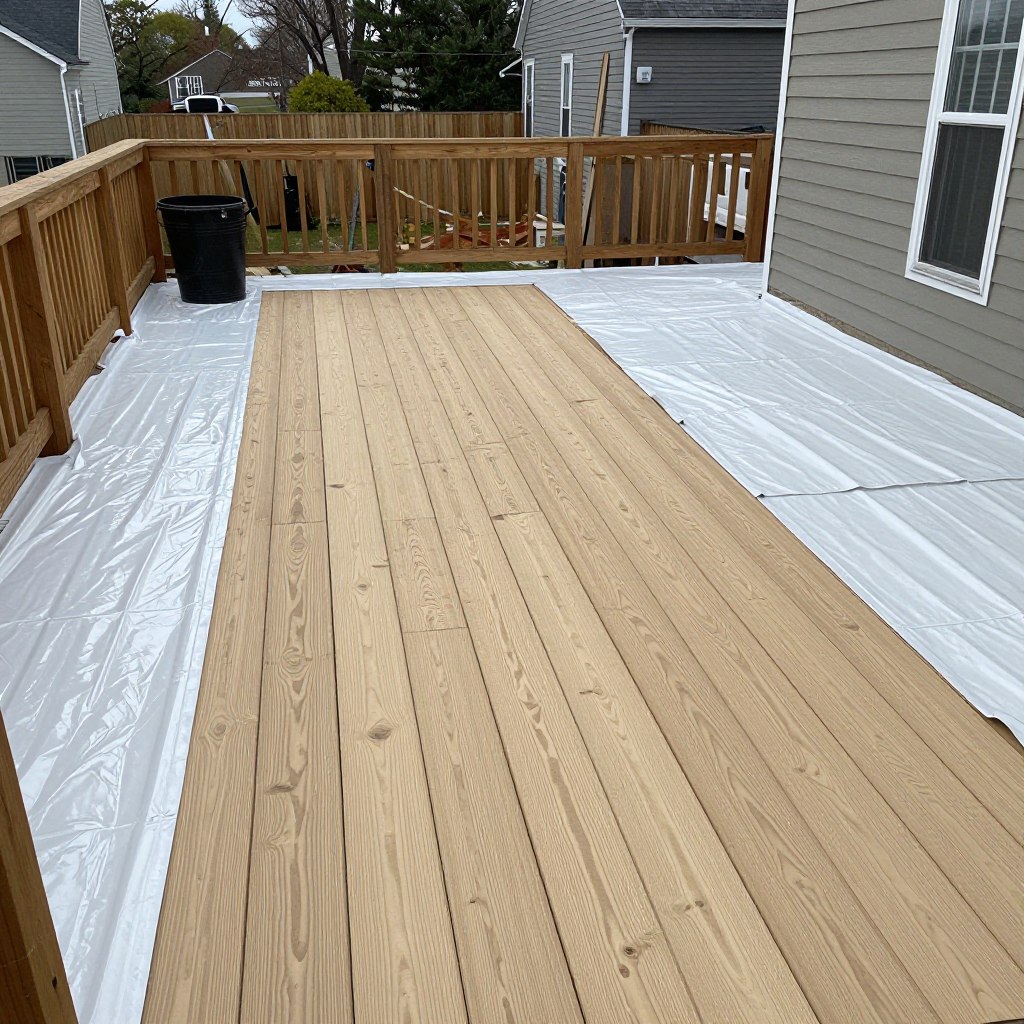
Clean, Respectful Worksites
Outdoor projects affect more than the deck boards. We consider landscaping, nearby walls, doors, furniture, and access routes, and aim to keep work areas organized throughout the job.

Clear, Reliable Scheduling
Exterior work depends on suitable weather. We communicate the planned sequence and explain when conditions may require a change rather than compromising the quality of the finish.
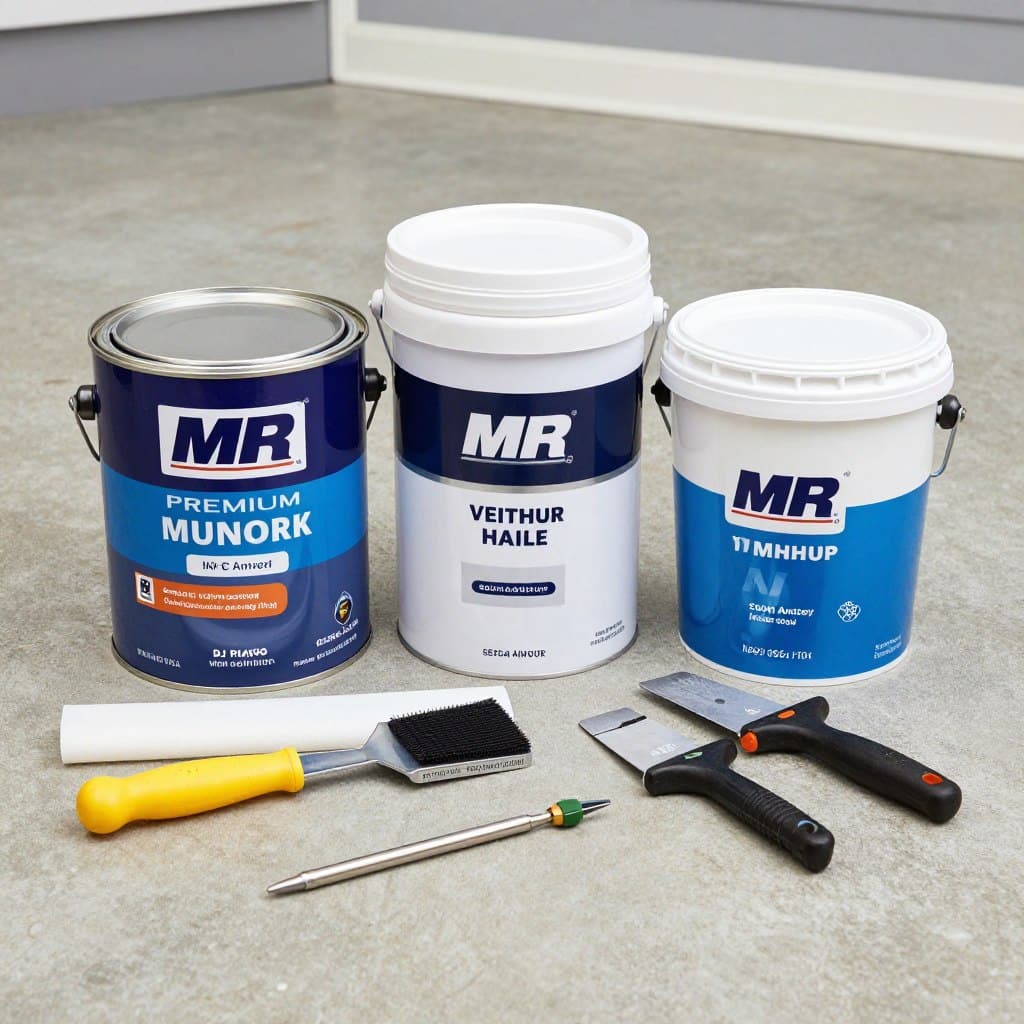
Materials Chosen for the Job
Different decks require different products. We evaluate opacity, compatibility, sun exposure, and use so the selected system makes sense for the surface and your goals.
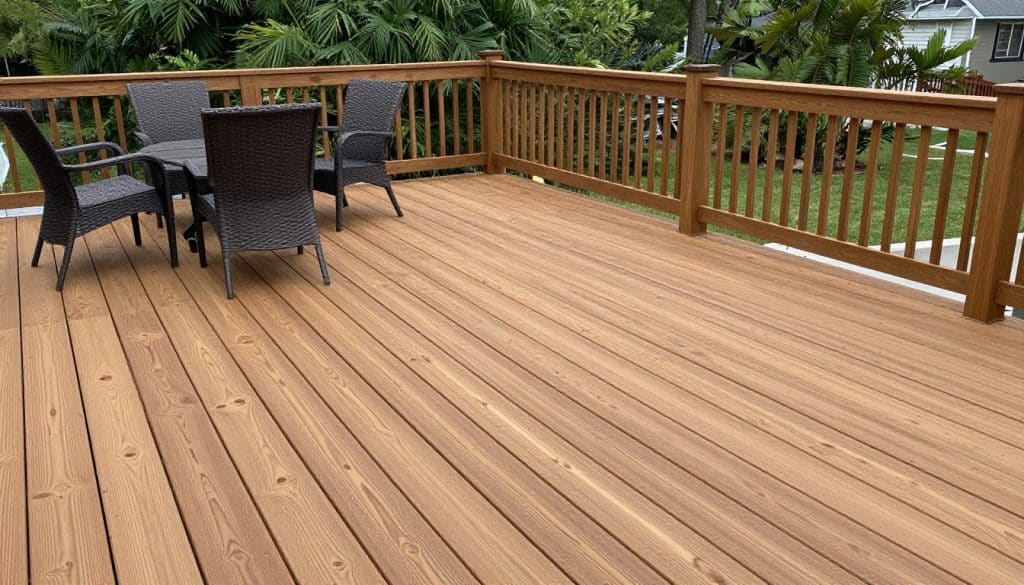
We also provide a final review of the completed work and stand behind our commitment to customer satisfaction. If you would like to see more examples of our work, our project gallery features photos and recent updates from MR Paint.
What Determines How Long Deck Stain Lasts?
Homeowners often ask for a single number of years, but there is no responsible way to promise that every stain will last for the same period. The lifespan of a deck coating depends on the product, surface preparation, exposure, traffic, wood condition, and maintenance. A shaded section beside the house may age differently from boards that receive strong afternoon sun every day.
Water can enter through untreated edges, joints, exposed end grain, or failed coatings. Sunlight changes the appearance of wood and pigments over time. Foot traffic wears horizontal surfaces faster than many vertical rail components. These factors explain why two decks stained in the same season can need attention at different times.
Preparation and Wood Condition
Clean, stable wood offers a better starting point than boards with loose fibers, grease, mildew, or peeling previous coatings. The finish must be compatible with what remains on the surface. Applying stain over a poorly bonded coating does not make the older layer sound again. The condition of the boards also determines whether cleaning alone is sufficient or whether more extensive preparation is warranted.
Sun, Shade, Moisture, and Traffic
South-facing or otherwise exposed decks may receive more intense sunlight, while shaded areas can retain moisture longer after rain. Stairs, entry points, and frequently used seating areas often show wear sooner than quieter sections. Our maintenance recommendations take these patterns into account rather than assuming every board needs the same attention at the same time.
Product Choice and Correct Application
A product’s technical data sheet tells you how it should be applied, whether a second coat is appropriate, and what drying conditions are required. More coats are not automatically better. Certain penetrating stains are designed for a specific application method or coat count, while other finishes may require a different sequence. Following the actual product instructions is essential to obtaining the intended result.
Understanding Drying, Curing, and When You Can Use the Deck
“Dry to the touch” and “fully cured” do not necessarily mean the same thing. A coating can feel dry on the surface while still developing its intended properties. The time before foot traffic, furniture placement, or washing is permitted depends on the coating and the weather during and after application.
Temperature and humidity matter, as do shade, overnight dew, and unexpected rainfall. We discuss the manufacturer’s use restrictions with homeowners before completing the job. When weather changes, it is better to adjust the schedule than to offer an arbitrary promise that the deck will be ready in a fixed number of hours.
As a homeowner, your most important contribution during this phase is to allow the new finish the time and conditions it needs. Keep furniture and planters off the coating until the recommended return-to-service window has passed, avoid dragging heavy objects across newly treated boards, and follow any product-specific cleaning guidance.
Practical Maintenance After Deck Staining
Deck maintenance does not have to be complicated. Regular attention helps you spot small changes before they become larger refinishing projects. The frequency depends on trees, exposure, use, and the type of coating, but a short seasonal inspection is a sensible habit for most outdoor wood surfaces.
Keep the Surface Clear and Clean
Sweep away leaves, dirt, and accumulated debris, especially where boards meet rails or planters. Long periods of trapped moisture are not helpful to outdoor wood. Use cleaning products compatible with the existing finish, and avoid aggressive washing that could damage the fibers or strip the coating prematurely.
Watch for Changes Before They Spread
Look for fading, uneven sheen, peeling, persistent damp areas, and wear along stairs or walking paths. A small worn area can be easier to evaluate than a surface that has deteriorated across the entire deck. However, isolated touch-ups are not always invisible, especially with translucent products; sometimes treating complete boards produces a more consistent appearance.
Know When It Is Time for a Professional Assessment
If you see recurring peeling, widespread gray wood, multiple layers of failing coating, or boards that feel soft or unstable, request an assessment before adding another finish. Staining is designed to protect and enhance sound wood, not to conceal structural problems. We can discuss the refinishing portion of the project and recommend that structural concerns be addressed separately where necessary.
Already planning broader improvements indoors or outdoors? MR Paint also offers interior painting and cabinet painting, allowing you to coordinate a consistent color direction across different spaces.
A Local Painting Company That Respects Your Home
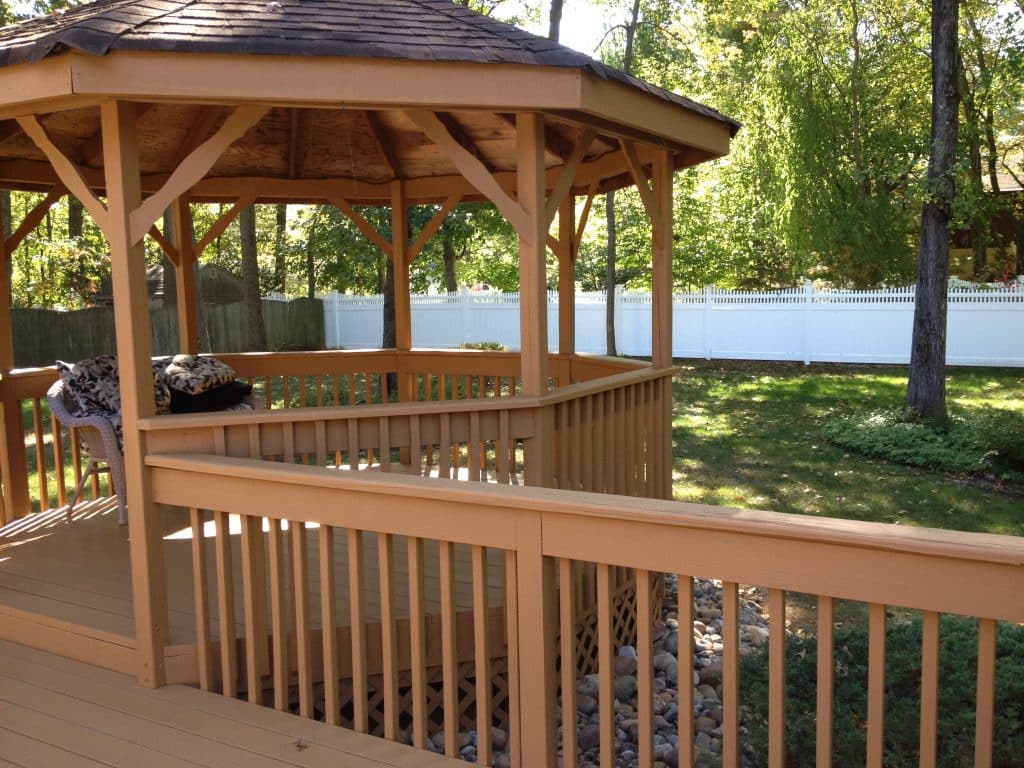
MR Paint serves homeowners who want dependable craftsmanship without unnecessary complications. Founded in 2011 and based in South Amboy, the company emphasizes clear communication, careful execution, quality materials, and a clean working environment. Deck staining is one part of our broader residential painting offering, and we bring the same attention to preparation and finish selection to outdoor wood as we do to the other surfaces we work on.
We believe a good estimate should help you understand the choices in front of you. Is there a current coating that needs attention? Would you like to see more of the wood grain? Is the deck heavily used or frequently shaded? Those questions shape the project and make the finished result easier to maintain. We would rather explain a meaningful tradeoff up front than surprise you once work has begun.
Service Area: South Amboy and Central New Jersey
Our base is South Amboy, NJ, and we serve New Jersey addresses within a roughly 35-mile driving radius. Travel times and road routes vary, so please call if you are uncertain whether your property falls within our service area. Our advertised service area is limited to New Jersey. You can learn more about the company and owner on our About Us page.
Before requesting a quote, it helps to know the approximate deck size, the kind of wood if available, and whether the surface was previously painted or stained. Photos are useful, too. You do not need all the answers; a quick conversation can clarify what information matters.
Deck Staining and Painting FAQs
These are the questions we hear most often from homeowners considering a deck refresh. Specific recommendations depend on the wood, prior coatings, and the products selected for the job.
Should I stain or paint my deck?
It depends on your desired appearance, the condition of the boards, and what is currently on the deck. Stain can emphasize natural wood texture, while a compatible deck paint offers a more opaque look. Painted surfaces and solid coatings can require more extensive preparation when they eventually need refinishing. We review the choices during the estimate rather than recommending one finish for every deck.
Do you remove old stain before applying a new finish?
When an existing coating is peeling, loose, or incompatible with the selected product, it may need to be removed or otherwise prepared before the new finish goes on. A sound existing coating may require a different approach. The decision depends on the product and the actual condition of the deck; simply covering a failing finish is not a reliable solution.
Can newly installed pressure-treated wood be stained right away?
Not always. New pressure-treated lumber can retain moisture, and stain should not be applied before the wood meets the coating manufacturer’s preparation and moisture requirements. Readiness varies with the lumber, storage, weather, and installation conditions. We assess the surface and recommend waiting when necessary.
What is the best time of year to stain a deck in New Jersey?
Choose a stretch of weather that meets the coating’s temperature, moisture, and rain restrictions. Many projects are scheduled during milder, drier periods, but there is no universal calendar date that guarantees good conditions. A suitable forecast and a properly dried surface matter more than the month alone.
How long does a deck staining project take?
The schedule depends on deck size, cleaning and preparation needs, existing coatings, weather, and drying intervals. A straightforward project may move quickly, while removal of an old finish or additional drying can extend the work. We provide a project-specific estimate and explain the expected sequence before starting.
How soon can I walk on the deck or put furniture back?
Follow the label and technical data sheet for the exact product used. Light foot traffic and furniture placement can have different waiting periods, and cool or humid conditions can change those timings. We explain the applicable guidance when the work is completed rather than giving everyone the same number of hours.
Will staining hide cracks, splinters, or rotten boards?
No. Stain changes the appearance and helps protect suitable wood, but it cannot restore the strength of deteriorated lumber or make unsafe boards structurally sound. Visible damage should be assessed before refinishing, and necessary repairs should be handled by a qualified professional.
Which stain color is best for my house?
The most suitable color complements your exterior siding, trim, railings, and landscape while meeting your maintenance preferences. Existing wood tone and previous coatings can affect the final appearance. We offer complimentary color consultation and can discuss sample options before a finish is selected.
How often will my deck need to be stained again?
There is no fixed schedule for every deck. Sun exposure, moisture, traffic, product type, and routine care all affect how long a coating performs. Periodic inspection is more reliable than assuming every deck requires refinishing after the same number of years.
Can you stain steps, handrails, and vertical deck features?
Those areas can be part of a deck finishing project when the surfaces are suitable for the selected coating. Rails, stairs, posts, and horizontal boards often need different application attention because of their shape and exposure. We review the scope with you so you know what is included in the estimate.
Do you offer free deck staining estimates?
Yes. Call MR Paint at (908) 963-7371 or use our contact page. It helps to share the approximate deck size, your town, and photos if available. We’ll discuss the project and explain the next steps.
What areas of New Jersey do you serve?
MR Paint is based in South Amboy and serves New Jersey properties within an approximately 35-mile driving radius. Because travel distance varies by route, we recommend calling to confirm whether your address is within our service area.
Ready to Give Your Deck a Fresh Finish?
Let’s talk about your deck’s condition, the look you want, and a practical plan for preparation and finishing. MR Paint offers free estimates and complimentary color consultation to homeowners in our Central New Jersey service area.
Based in South Amboy, NJ • Serving New Jersey communities within approximately 35 miles by road