A building’s exterior is part of every first impression. Keeping it well painted also starts with understanding the surfaces, weather exposure, and daily activity around your business.
MR Paint provides commercial exterior painting services for business properties throughout Central New Jersey. We help owners, property managers, and facility teams refresh exterior walls, siding, trim, entryways, and visible architectural details while planning around the people who use the property. A storefront that welcomes customers, an office building that represents a brand, and a multi-tenant property with busy entrances all call for thoughtful scheduling as well as a quality finish.
Based in South Amboy, NJ, MR Paint has served residential and commercial customers since 2011. Our priorities are careful preparation, reliable communication, appropriate materials, and tidy work areas. We discuss conditions and access before work begins so the painting plan suits the building rather than forcing every project into the same schedule.
Our service area extends approximately 35 driving miles from South Amboy, subject to confirmation for the specific address. Whether you are updating faded colors, responding to peeling paint, preparing for new tenants, or coordinating a larger property improvement, we can help you evaluate the next step.
Tell us what surfaces need attention, how your property is used, and whether there are access or business-hour restrictions. We will discuss a free estimate and a realistic scope for your commercial exterior painting project.
Commercial Exterior Painting That Supports Your Property and Your Business
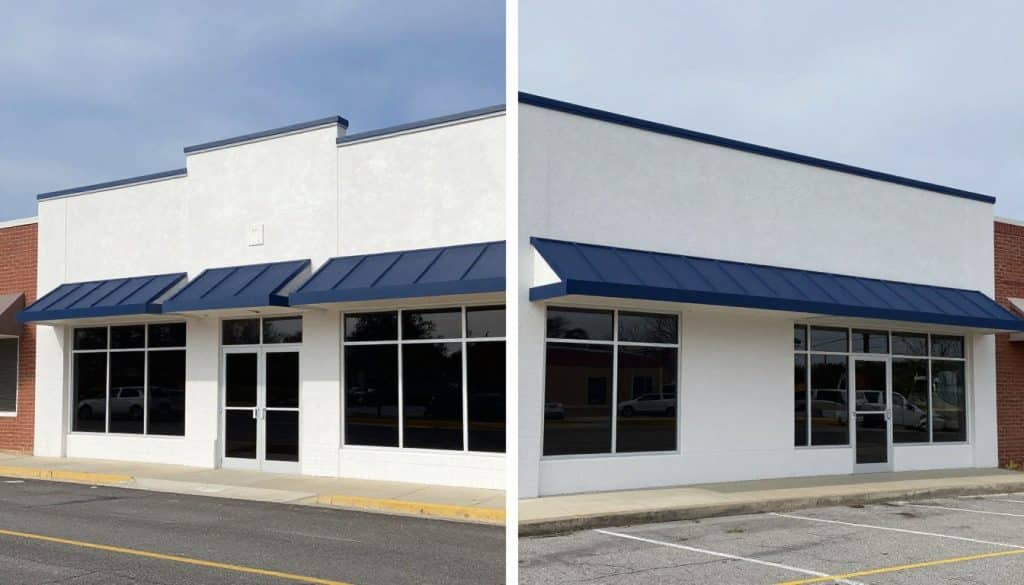
Exterior painting can bring visual consistency to a commercial property, make dated surfaces look more cared for, and support the appearance your company wants to present. It may also help protect suitable substrates from normal weather exposure when the underlying surface is sound and the coating system is compatible. Paint is not a replacement for repairing water intrusion, damaged masonry, or deteriorating building components; those issues need to be identified before painting.
Commercial properties differ from homes in scale, access, and traffic. A wall behind a loading area may need a different work sequence from the entrance customers use every day. An office building may include multiple materials in the same facade. A tenant turnover may require a color update that coordinates with signage, windows, and existing trim. The proposal should consider those differences explicitly.
A More Professional First Impression
Fresh, coordinated exterior colors make a storefront, office, or commercial building easier to present with confidence. Clean lines around entries and architectural details can improve the overall impression without changing the building itself.
Protection Matched to the Surface
Wood, metal, stucco, masonry, and other exterior materials require different preparation and coatings. Choosing a compatible system helps reduce avoidable peeling, uneven coverage, and premature wear.
Planning Around Access
Businesses cannot always stop operating because painting is underway. We discuss entrances, customer routes, delivery windows, loading zones, parking, and tenant needs before preparing the work sequence.
Clear Scope and Communication
A useful commercial estimate should describe what will be painted, what preparation is included, which areas require special attention, and how scheduling may respond to weather or access restrictions.
Owners planning improvements inside the same building can also explore our commercial interior painting services. If the scope includes multiple business areas, see our broader commercial painting solutions for a coordinated conversation about the property.
Exterior Painting for Different Commercial Properties
Commercial exterior painting is not a single standardized service. A freestanding retail property, a small professional building, and an industrial facility can have different coatings, access requirements, repair priorities, and maintenance expectations. During the estimate, we examine the condition of the surfaces and the surrounding environment before recommending an approach.
Retail Storefronts & Customer Entrances
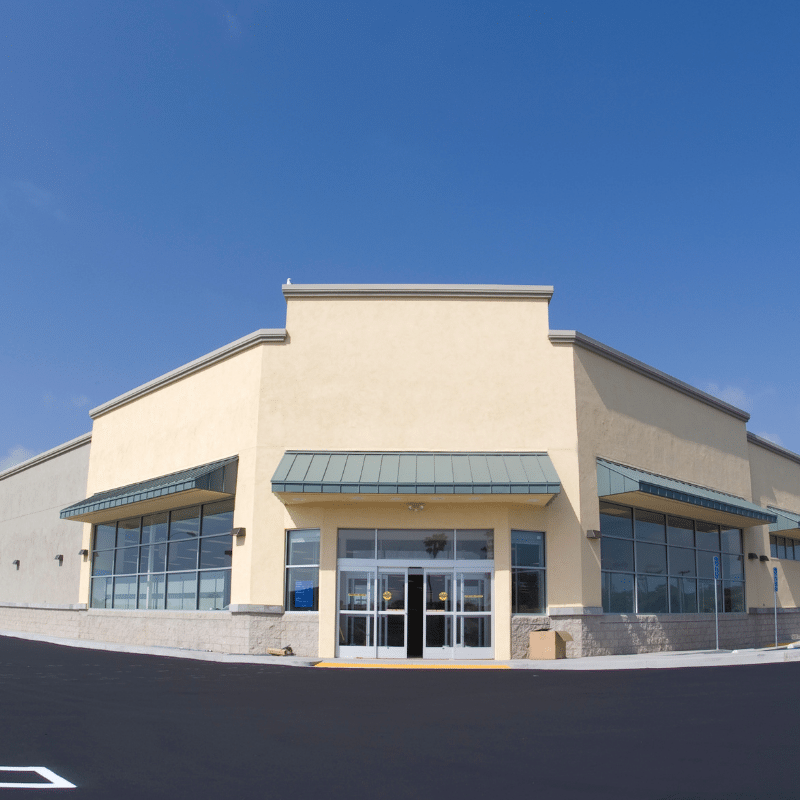
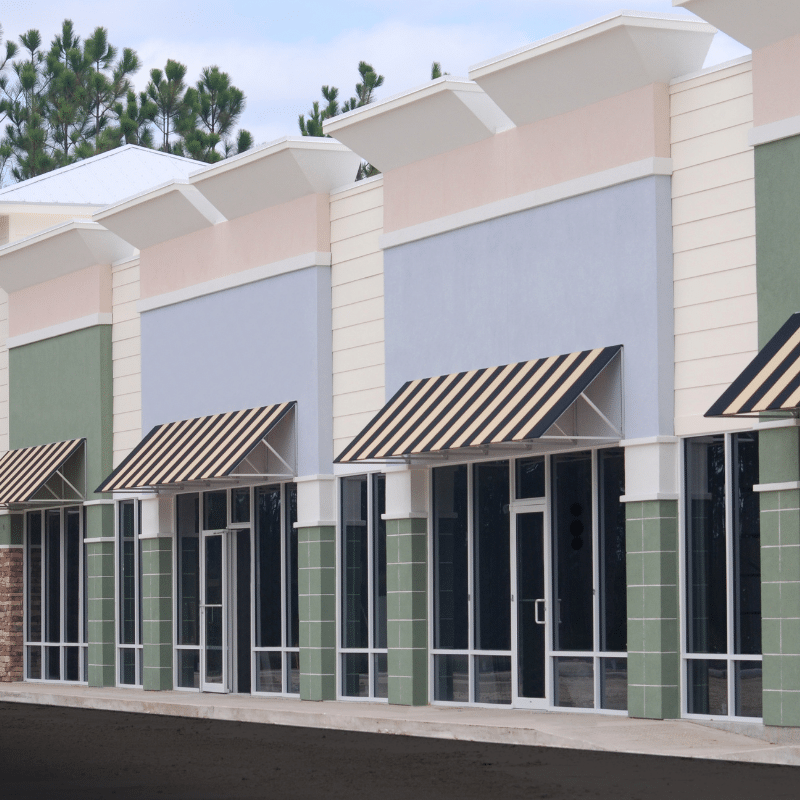
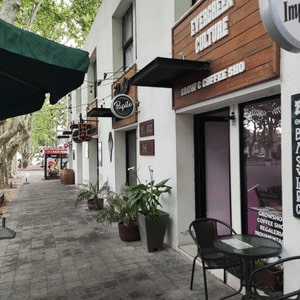
Storefronts need clean lines, a welcoming appearance, and careful attention around windows, doors, signs, and high-traffic walkways. We discuss the impact of equipment and materials on access so the exterior refresh can be planned with customers and employees in mind.
Offices & Professional Buildings
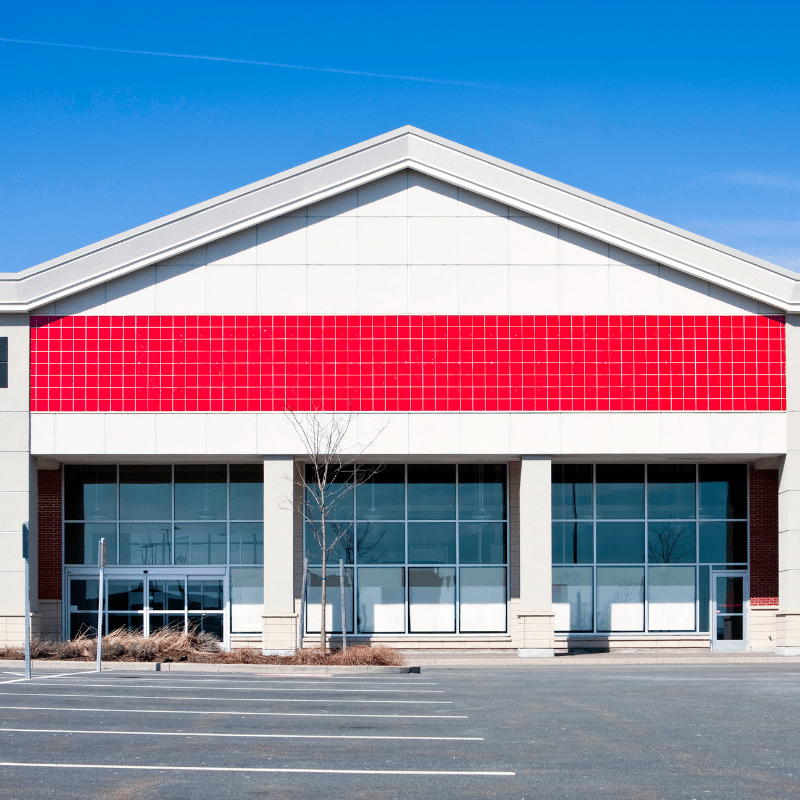
Office exteriors often combine masonry, trim, metal features, and architectural accents. Coordinated colors can help the building feel more cohesive, while clear project sequencing helps property contacts understand which areas will be worked on and when.
Multi-Unit & Managed Properties
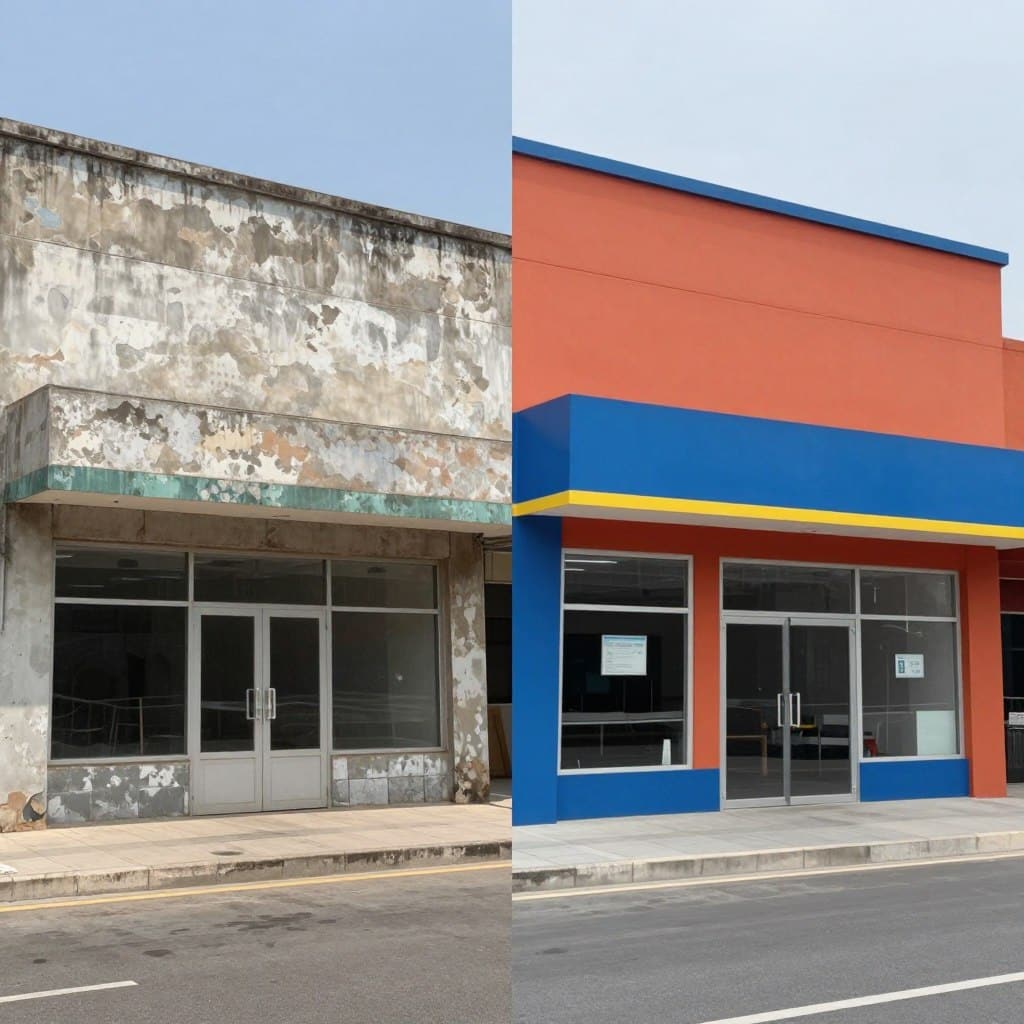
Properties with several storefronts or tenants require added communication about shared entrances, sidewalks, parking, and individual business needs. We identify practical phasing options and review the surfaces that would benefit from preparation before repainting.
For warehouses and industrial properties, surface type, height, equipment access, and protective coating requirements can be more specialized. We discuss those conditions during the initial review and determine whether the requested system and access needs are within the proposed project scope. We do not promise one generic coating will suit every industrial surface.
What Good Commercial Exterior Painting Should Accomplish
Most commercial property owners have three connected priorities: a building that looks professional, an exterior that is easier to maintain, and a project that causes as little avoidable disruption as practical. These priorities influence decisions from color selection through the final walkthrough. The lowest initial price is not always the most useful comparison if preparation, materials, or access planning are different.
A Consistent Appearance Across the Building
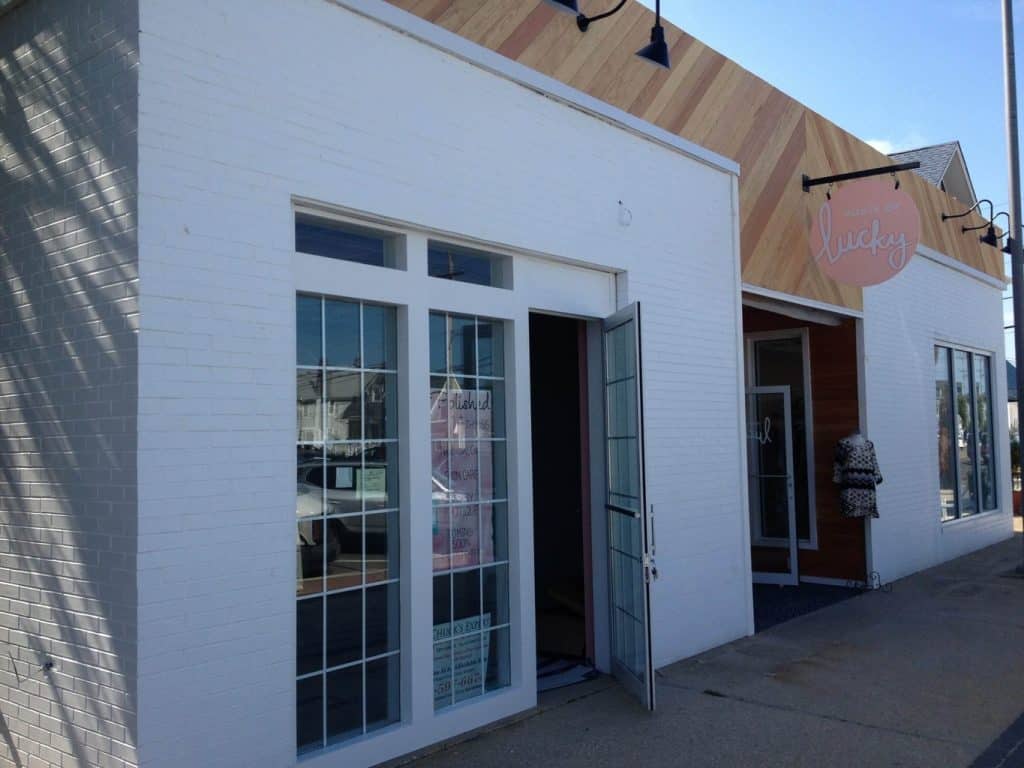
Commercial properties may contain additions, patched sections, trim changes, and older paint layers. A successful repaint should account for those transitions and aim for a cohesive appearance rather than simply covering visible walls. We discuss whether doors, fascia, soffits, railings, window trim, and other elements are included in the proposed scope.
Color also plays a role in how the property is perceived. A palette selected for the company brand should still work with brick, metal panels, paving, glass, and neighboring architecture. We recommend reviewing samples in outdoor light before making final decisions.
Respect for Daily Business Activity
Planning matters as much as color when customers are walking past a work area. We review entrances, deliveries, parking, pedestrian paths, and equipment access. For some properties, breaking the job into work zones can reduce interference with normal operations; for others, access constraints may require agreed closures or alternate routes.
The best plan is specific to the site. We communicate feasible work windows during estimating and avoid promising that every commercial project can be completed without a single interruption. A clear schedule helps owners, staff, and tenants prepare in advance.
Exterior paint can contribute to protection against normal sun and rain when used appropriately, but coating failure can also be a symptom of moisture, poor drainage, rust, or substrate deterioration. Before selecting an exterior system, we look for visible warning signs and explain when additional repairs or evaluation are needed. Taking those concerns seriously is one way to avoid painting over a problem that will return.
Surface Preparation: The Foundation of a Lasting Finish
Commercial exterior painting succeeds or fails in the preparation stage. Dirt, loose paint, chalking, grease, corrosion, and trapped moisture interfere with adhesion. A fresh coating cannot make an unstable surface sound. That is why our review considers the existing materials, the condition of the old finish, and whether a repair or different product is needed before painting begins.
Professional guidance from Sherwin-Williams on surface preparation emphasizes that substrates should be dry, sound, and free of contamination before coating. That principle applies whether we are working on siding, trim, a storefront entry, or portions of a commercial facade.
Cleaning and Removing Contamination
We evaluate surface soil and the appropriate method of washing or cleaning. Dirt, mildew, chalking, and accumulated grime must be addressed so the new coating can bond to the intended substrate. Cleaning methods and water pressure need to be appropriate for the surface, especially near older joints and vulnerable materials.
Loose Paint, Cracks, and Existing Damage
Peeling edges, unsound coatings, failed sealant, and damaged areas require attention before repainting. Some defects can be handled as part of normal paint preparation; rot, significant cracks, active leaks, or structural deterioration may need separate repair work or a qualified specialist.
Primers Selected for the Material
Bare wood, exposed metal, patched masonry, and previously coated surfaces can require different primers or adhesion strategies. We review the condition and compatibility of the substrate rather than assuming a universal primer performs equally well everywhere.
Drying and Weather Readiness
A cleaned or washed wall may need time to dry. Surface temperature, humidity, rain, shade, and moisture within the substrate influence when work can proceed. Rushing application onto a damp surface can shorten the useful life of the coating.
If the scope includes significant cleaning beyond paint preparation, we can discuss our separate commercial powerwashing service. Exterior washing and painting should be scheduled in the right order, with sufficient drying time and care around materials that should not be pressure washed.
Our Commercial Exterior Painting Process
MR Paint uses a practical sequence so owners and managers know what the job involves. The exact work varies by building and contract, but the objective is the same: evaluate the site, prepare the surfaces, apply the selected system, and review the finished work. We discuss needed access and timing before starting rather than relying on an unrealistic one-size-fits-all schedule.

Step 1
Site Review & Estimate
We discuss your goals, building materials, surface condition, color preferences, business hours, and areas that must remain accessible. The estimate identifies the proposed work and helps you compare the preparation and materials involved, not just the final color.
Step 2
Protection & Preparation
Before painting, the team plans equipment placement, protects relevant surroundings, and prepares the surfaces included in the scope. Cleaning, scraping, sanding, caulking suitable joints, and spot priming are performed as appropriate for each substrate and the coating selected.
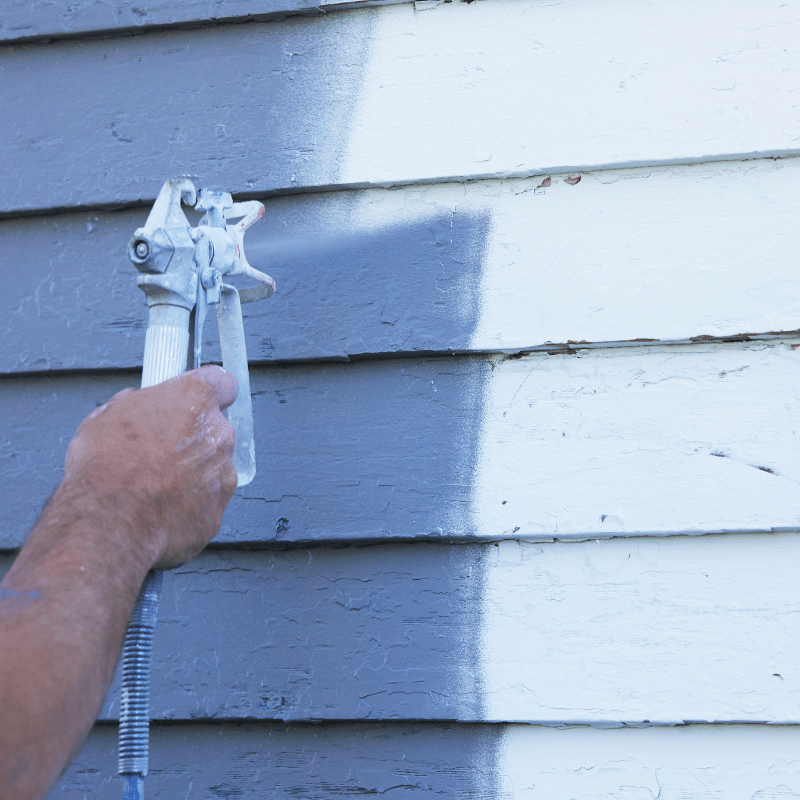
Step 3
Coating Application
We follow the product requirements for application, coverage, recoat intervals, and suitable environmental conditions. Tools and techniques may vary by material or access. The focus is consistent appearance and appropriate protection, not simply completing the fastest possible coat.
Step 4
Detail Review & Final Walkthrough
We check visible details such as edges, trim, and coverage, then review the completed areas with the property contact. We discuss touch-ups where applicable, clean-up, and practical maintenance observations. The final scope and expectations are confirmed in the written proposal.
Need a Commercial Exterior Painting Estimate?
Tell us your building type, location, approximate scope, and business-hour requirements. We can help you identify a reasonable next step and discuss a visit.
Commercial Exterior Surfaces and Coating Choices
Different exterior building materials respond differently to weather and coatings. A finish that works well on painted wood may not be the right product for bare metal or masonry. The condition of existing paint also matters: an intact compatible coating is a different starting point from rust, cracking, widespread chalking, or damp masonry. A thoughtful review should come before the product decision.
01 / Masonry
Concrete, Block & Brick
Porous masonry requires attention to moisture movement, curing, contamination, and existing sealers. Paint and specialty masonry systems are not interchangeable on every wall. We evaluate whether the surface is suitable for the proposed coating and whether cracks or active moisture require separate attention before repainting.
02 / Metal
Metal Panels, Trim & Doors
Metal surfaces can show corrosion, loose old coatings, or incompatible finishes. Preparation may include cleaning, rust treatment, and a primer designed for the material. The correct system depends on the metal and site conditions, particularly on heavily exposed edges and details.
03 / Wood
Wood Siding, Fascia & Accents
Wood should be dry and in sound condition before new paint is applied. Exposed end grain, failed joints, rough edges, and peeling coatings can lead to early deterioration. We consider cleaning, sanding, suitable sealing, and proper priming while identifying material that may need repair or replacement.
04 / Specialty
Stucco, Fiber Cement & Other Surfaces
Stucco, fiber cement, previously sealed areas, and specialty panels need product-specific evaluation. Surface movement, texture, previous repairs, and moisture exposure affect recommendations. We verify coating compatibility before suggesting a finish for these areas.
Product selection involves more than choosing between flat and satin. We consider the surface, primer needs, exposure, future cleaning, and how the color will look across multiple elevations. The coating’s manufacturer instructions govern minimum temperatures, moisture conditions, preparation, and drying intervals. We do not quote a universal temperature or fixed cure time that applies to every product.
For properties that also need interior work, the coatings used on busy reception spaces or corridors will be different from an exterior masonry system. Learn about those considerations on our Commercial Interior Painting page. If you are comparing a broad property refresh with a repaint of one facade, our commercial painting overview is a useful starting point.
Color Planning for Storefronts, Offices, and Managed Buildings
Commercial color selection involves the surrounding architecture, brand identity, and daily use of the property. A bold color can make an entrance more visible, but it may also need to coordinate with signage, masonry, window frames, and landlord requirements. A subtle neutral may help separate tenants stand out while keeping a multi-unit building cohesive. These decisions are most useful when made before materials are ordered.
Review Colors Outdoors
Colors change under direct sunlight, shadow, and different times of day. Small digital swatches may not represent the finished look on a large facade. Review physical samples near the adjacent materials whenever practical.
Consider Existing Features
Brick, glass, awnings, doors, signage, and trim may stay in place during the repaint. These features should inform the palette so the result feels intentional instead of pieced together.
Check Property Requirements
Some properties have landlord, association, historic-district, or municipal requirements affecting color or facade alterations. We recommend confirming applicable permissions before the color plan is finalized.
Coating selection may also affect color choice. Very dark colors, surface heat exposure, and the existing substrate can create compatibility concerns for particular materials. We recommend reviewing those issues with the selected manufacturer’s specifications rather than choosing a finish solely from a color chart.
Scheduling, Site Access, and Long-Term Maintenance
Commercial painting projects are most predictable when everyone understands the constraints before work begins. It is useful to identify delivery hours, tenant access requirements, shared sidewalks, storefront visibility, parking spaces, and areas where equipment cannot be staged. Weather is another variable: rain, wind, substrate moisture, and temperature changes can require an adjustment to the sequence even when an initial schedule is agreed.
Reducing Disruption Where Practical
We discuss whether the job can be phased by elevation or work zone, and which entrances must remain accessible. A location with constant public foot traffic may require different staging from a vacant warehouse. Clear advance communication helps property managers inform tenants and staff about temporary changes to access.
Evening or weekend work can be discussed when the project requires flexibility; availability, cost, equipment, and safety considerations are determined during estimating. Our goal is to establish a workable plan, not promise off-hours service for every job without reviewing the site.
After a repaint, simple observations can help protect the investment. Look for peeling around joints, stains that return after rain, damaged sealant, rust at exposed metal edges, or areas repeatedly struck by equipment. Those symptoms may signal a maintenance need or an underlying problem. In many cases, a localized repair carried out promptly is less disruptive than waiting until deterioration spreads.
Routine cleaning should follow the coating manufacturer’s guidance. Aggressive washing, harsh cleaners, and premature scrubbing can damage some finishes. Ask about maintenance requirements and the appropriate time before cleaning freshly painted areas. A useful building maintenance plan considers the different exposures of sheltered walls, busy entrances, and sun-facing elevations.
What Affects the Cost of Commercial Exterior Painting?
A responsible estimate should reflect the condition of the building and the work needed to complete the project. Square footage is a useful starting point, but it does not describe everything. Two buildings of the same size may have different preparation requirements, numbers of elevations, architectural features, substrate conditions, or equipment needs.
Building Size & Access
Height, the number of building faces, obstructions, and required equipment affect labor planning. Work near active storefronts or shared entrances may need additional protection or a different schedule.
Preparation & Repairs
Peeling coatings, damaged caulk, rust, or surface contamination can increase preparation. Significant structural problems or leak repairs should be evaluated and scoped separately rather than concealed beneath paint.
Material & Coating System
Metal, masonry, wood, and specialty substrates can require different primers and coatings. Color changes and the existing finish may also affect the proposed application system.
Weather & Business Scheduling
Seasonal conditions, safe work windows, site access, and operational needs influence the schedule. We review these constraints when setting expectations instead of assuming that the work will proceed uninterrupted.
When comparing estimates, look at the scope of cleaning, surface repairs, caulking, priming, number of coats where specified, material type, and areas excluded. A low bid may cover less work than a higher quote, so reviewing the details protects against misunderstandings. We encourage owners and facility managers to ask questions until the proposed scope is clear.
Why Businesses Choose MR Paint
MR Paint has served Central New Jersey since 2011, with an approach centered on craftsmanship, clean work, and clear communication. We understand that commercial property owners want more than an attractive color. They need a project planned around the site, realistic expectations about preparation, and a dependable point of contact when questions arise.
Respectful Work Areas
We discuss protection for walkways, landscaping, windows, equipment, and surroundings relevant to the scope. Organized materials and daily housekeeping help keep active properties more manageable during a repaint.
Attention to Surface Condition
The proposed coating depends on what is already there. We look for visible warning signs, explain preparation needs, and avoid assuming that new paint can solve every underlying defect.
Scheduling and Communication
We coordinate known access needs and important dates during estimating, then communicate adjustments when weather or site conditions affect the plan. A realistic schedule is more useful than an unrealistic promise.
A Final Review
At the end of the job, we review the completed areas with the property contact and discuss visible details or touch-up items within the scope. The aim is a clear handoff and a finish appropriate for the property.
Learn more about the company on our About MR Paint page and explore examples and visual inspiration in the Gallery. If you own a mixed-use property or are coordinating a building upgrade that extends indoors, our commercial interior painting service may also be relevant.
Want to discuss the right sequence for your building? Call us with the address, surfaces, and schedule priorities. We can review the project and help you plan an estimate.
Commercial Exterior Painting Across Central New Jersey
MR Paint is based in South Amboy, NJ, and serves eligible locations within approximately a 35-mile driving radius. We work with business owners and property managers who want a professional exterior and a practical schedule for the property. Whether the building is an occupied storefront, a professional office, or a managed commercial site, the first step is confirming the location and scope.
Service availability depends on the actual address and the project’s requirements. If your business is near the edge of the service area, send us your ZIP code or full property address and we will confirm whether an estimate can be scheduled. We also welcome inquiries about coordinated painting work across multiple nearby buildings.
Frequently Asked Questions About Commercial Exterior Painting
These answers cover common planning questions. The details for your specific building, coating system, and work schedule will be discussed during the estimate.
How long does a commercial exterior painting project take?
There is no universal timeline. Building size, access, surface condition, preparation needs, weather, the selected coating system, and any phasing requirements all affect duration. We discuss a realistic proposed schedule during estimating and explain when weather or unforeseen conditions require an adjustment.
Can MR Paint work around normal business hours?
We review each property’s operating hours, entrances, delivery routes, and safety requirements. Phased work or alternate work windows may help reduce interruption. Evening or weekend scheduling can be discussed, but availability and any associated costs depend on the specific project and agreement.
Do you provide a free commercial exterior painting estimate?
Yes. Call (908) 963-7371 or use our contact page to describe the property, its location, and the surfaces involved. A site assessment may be needed to evaluate preparation and determine an accurate written scope.
What surfaces can be included in a commercial exterior repaint?
Common exterior painting scopes include suitable siding, fascia, trim, storefront details, doors, and selected masonry or metal elements. The condition and material of each surface determine the proposed product and preparation. We confirm exactly which elements are included before work begins.
Will painting stop water leaks or repair damaged walls?
Exterior paint can help protect appropriate surfaces from ordinary weather exposure, but it does not correct active leaks, failed flashing, structural damage, or deteriorated materials. Those underlying problems should be diagnosed and addressed before the new finish is applied.
Do you pressure wash a commercial building before painting?
Cleaning may be part of the preparation, but the method depends on the surface. High pressure is not suitable for every material or vulnerable joint. We review contamination and existing conditions and may discuss our dedicated powerwashing service when additional work is appropriate.
What paint is best for commercial exterior walls?
The right coating depends on the substrate, existing finish, weather exposure, moisture conditions, and maintenance goals. Masonry, wood, and metal often have different requirements. We recommend reviewing product compatibility and manufacturer instructions instead of assuming one commercial paint is best for every building.
Can you help with commercial exterior color selection?
We can discuss color combinations that complement the building, signage, and surrounding architecture. Reviewing sample colors outdoors and checking property or landlord requirements before purchasing materials can prevent costly changes later.
How long should commercial exterior paint last?
Coating life varies with surface condition, preparation quality, the selected system, direct sun, moisture, exposure, and routine maintenance. There is no honest fixed lifespan that applies to every exterior. We explain relevant product considerations during the estimate and recommend monitoring vulnerable areas over time.
What happens if the weather changes during the project?
Painting conditions must suit the coating and substrate. Rain, wind, moisture, and temperature can affect the schedule. If conditions are unsuitable, work may need to pause or be reorganized so preparation and application are not compromised.
Can you paint a building with multiple tenants?
Multi-tenant properties can be evaluated for phased work, shared entrances, deliveries, and access constraints. The plan should identify work areas and communication needs so the owner or manager can coordinate with occupants before the project starts.
How do I prepare my business for an exterior repaint?
Before work starts, discuss tenant notices, vehicles, deliveries, signage, landscaping, gates, and areas where equipment must not be staged. We explain what access and site preparation the agreed scope requires. Keep customers and staff away from active work zones according to the site plan.
Ready to Refresh Your Commercial Building?
From the initial site review to the final walkthrough, MR Paint focuses on careful preparation, appropriate materials, a tidy work area, and communication that respects your business. Tell us what your property needs and we’ll discuss a practical exterior painting plan.
MR Paint • South Amboy, NJ • Commercial properties within an approximately 35-mile driving radius