A fresh start for your walls begins with removing old wallpaper carefully—not simply pulling off the visible paper.
MR Paint provides professional wallpaper removal for homeowners and businesses throughout Central New Jersey. We remove wallcoverings, address adhesive left behind, and prepare the underlying surfaces for a smooth next step. Whether your goal is a contemporary painted room, an updated rental, or a cleaner office interior, the condition of the wall beneath the paper matters just as much as the finished appearance.
Some wallpaper releases in large sheets. Other installations leave stubborn backing, softened drywall paper, multiple layers, or adhesive that takes time to clean. We evaluate the wall and adjust the approach rather than forcing one removal method across every surface. The aim is to limit avoidable damage, keep work areas organized, and leave a dependable foundation for repairs, primer, and paint where those services are part of the project.
Established in 2011 and based in South Amboy, NJ, MR Paint serves communities within an approximately 35-mile driving radius, subject to address confirmation. We focus on clear estimates, careful preparation, and respect for occupied spaces. Call us to discuss the rooms you want to update and what you plan to do with the walls afterward.
Professional Wallpaper Removal and Wall Preparation
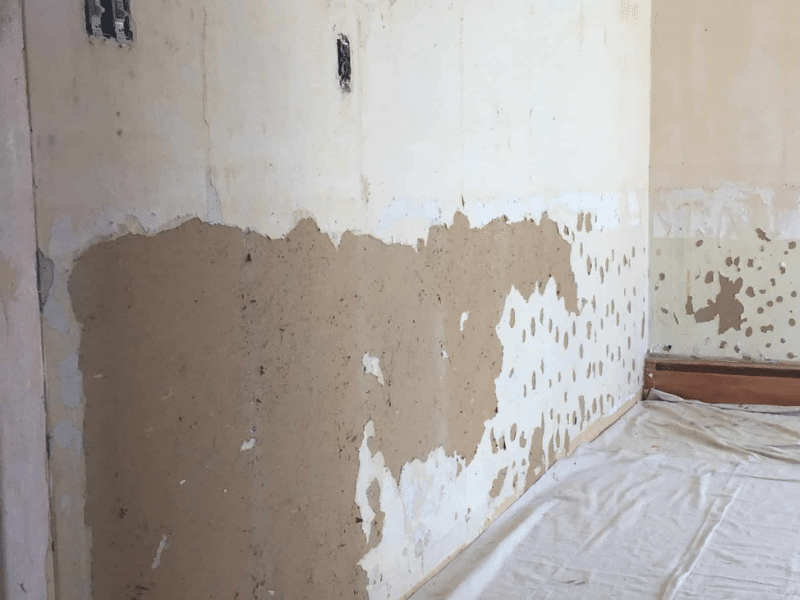
More Than Peeling Away Old Paper
Removing wallpaper can look simple until the surface beneath it begins to tear. Different adhesives, paint layers, wall types, and previous installations create different conditions. A careful project starts with inspection, protection of nearby surfaces, and a plan for separating the wallcovering from its backing without unnecessary force.
Our wallpaper removal service focuses on taking the covering off, dealing with accessible glue residue, and identifying areas that require patching or surface preparation. We explain when a wall may need a skim coat, sealing primer, or additional drywall repair before it is ready for an attractive finish.
Instead of giving every customer an automatic one-day promise, we evaluate room size, wallpaper type, underlying wall condition, and the desired end result. That helps the estimate reflect the actual work involved.
Wallpaper and Backing Removal
We assess whether material can be dry-stripped, softened with an appropriate remover, or released using another controlled method. If the decorative layer lifts but the backing stays behind, both layers are addressed rather than concealed.
Adhesive Cleanup
A wall can appear bare while still holding a thin film of wallpaper paste. We check for residue and use a suitable cleaning process so leftover adhesive does not interfere with the next finishing steps.
Surface Assessment and Repairs
Removing old wallcoverings may reveal nail holes, peeling paint, damaged drywall paper, or earlier patching. We identify needed repairs and discuss their scope before preparing the wall for primer or paint.
An Organized, Clean Work Area
We discuss furniture protection, access to walls, electrical fixtures, debris collection, and cleanup. That is particularly important in furnished homes and occupied business spaces.
For a coordinated room refresh, wallpaper removal can be paired with our interior painting services. We can discuss the finish you have in mind before work starts, because the expected appearance influences how extensively walls must be repaired and smoothed.
Why Old Wallpaper Can Be Difficult to Remove
Wallpaper has been installed in many different ways over the years. Some products were designed to release readily when their top layer is pulled away. Others were applied directly to insufficiently primed drywall or over previous wallcoverings. A single room may even contain several different conditions, particularly around windows, corners, and patched areas. This is why a successful removal plan begins with a small evaluation instead of immediately wetting the entire wall.
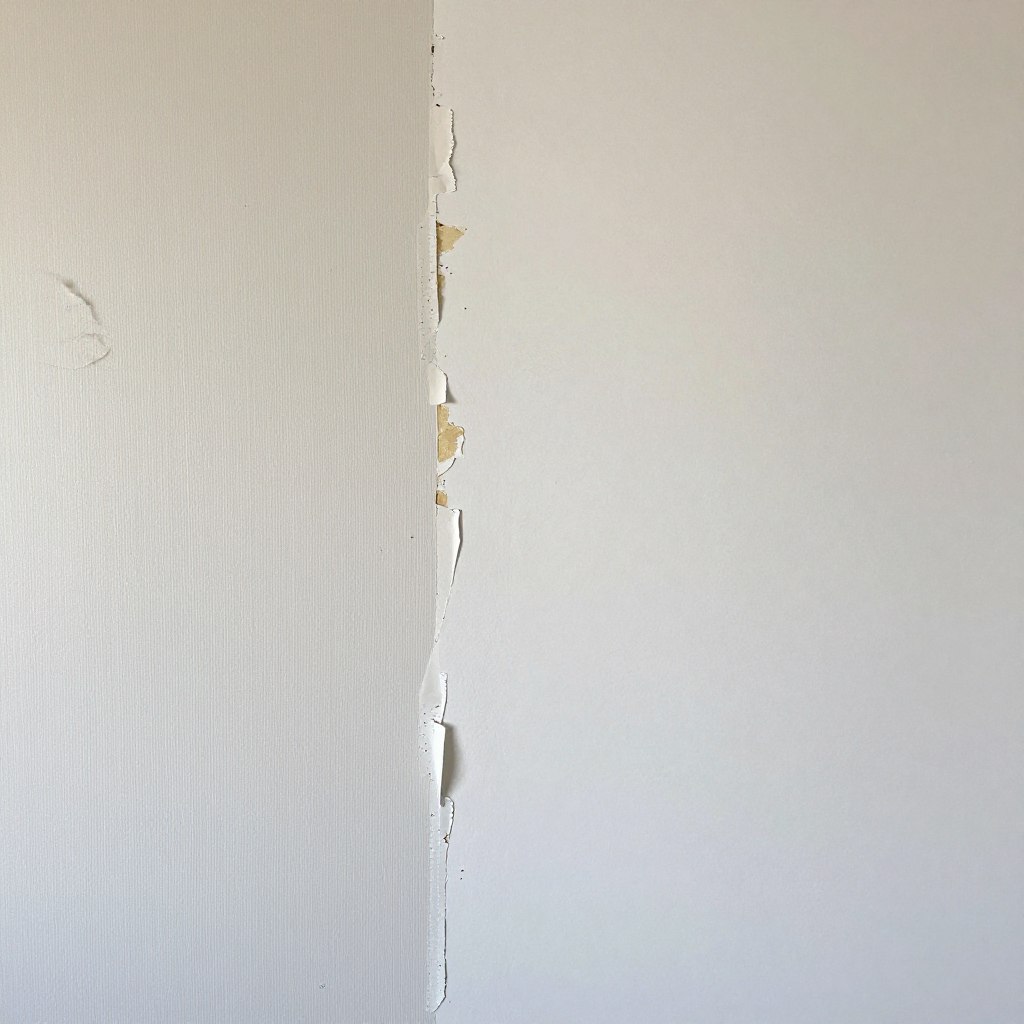
Protect the Wall Beneath the Paper
Pulling too quickly or scraping too aggressively can lift drywall facing paper, create gouges, or loosen old patches. We use the least disruptive practical approach first, reassess resistance, and identify any damage before the wall is finished.
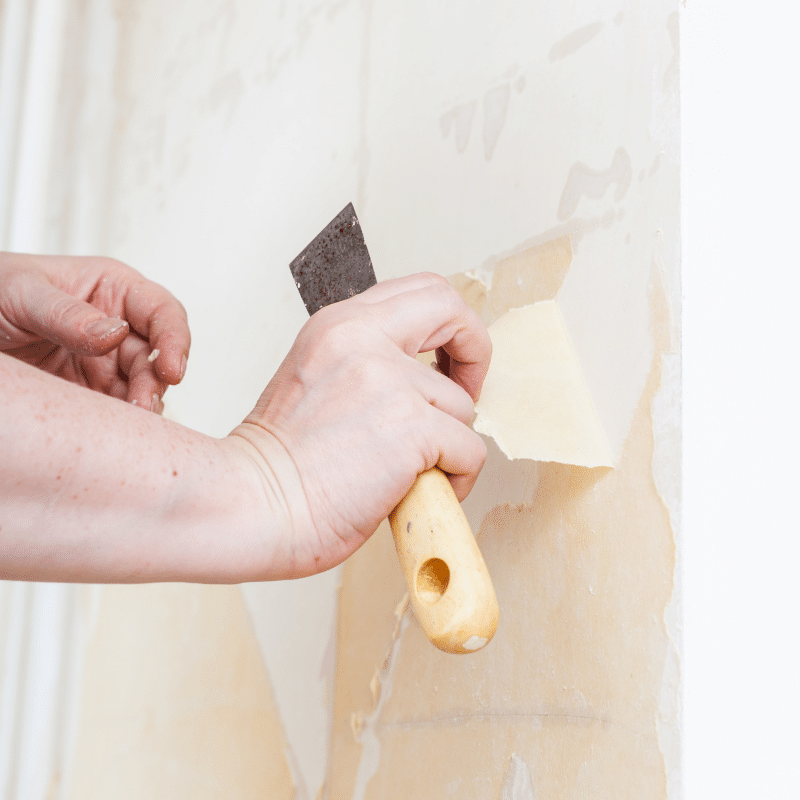
Remove Adhesive That Stays Behind
Wallpaper paste can remain after the visible covering disappears. Inadequate cleaning may affect primers and new paint. We allow time for residue removal, rinsing where appropriate, and drying before recommending the next coating step.
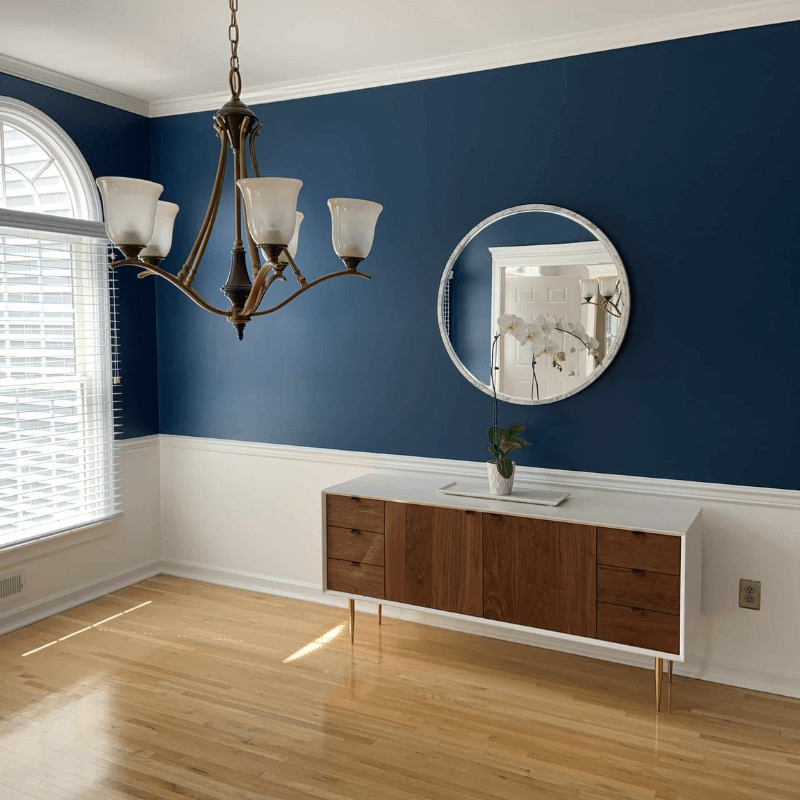
Avoid Repeating the Job
A rushed result may look acceptable from a distance but show raised seams, rough spots, or inconsistent texture under daylight. Careful cleanup and preparation can reduce later touch-ups and help the new finish look more uniform.
There is no single removal product that works equally well on every wallcovering. Vinyl-faced sheets, older paper, painted-over wallpaper, and layers installed over plaster can respond differently. A technique that releases one section quickly may damage the neighboring wall if applied too aggressively. We adjust according to what the surface is telling us.
For owners planning to repaint immediately afterward, we also consider how the room will look in real light. A wall that is smooth to the touch may still show imperfections near strong windows or under directional fixtures. That makes the follow-up inspection and finishing stage essential—not optional.
Wallpaper Types and the Approach They May Require
Before removal, the team needs to understand what is on the wall and how the covering was installed. The visual pattern does not tell the whole story. Some materials have separate decorative and backing layers; others include a moisture-resistant surface that limits how readily a remover can reach the paste. Older installations may hide paint, uneven priming, or prior repairs beneath several sheets.
Peelable or Strippable Paper
Some modern wallpapers release with limited moisture or lift in broad sections. We still check for a backing layer and glue before considering the wall ready for further preparation.
Vinyl or Coated Wallcoverings
Washable or vinyl-coated surfaces can resist moisture. Removing the outer layer, cautiously opening a path to adhesive, or using a suitable product may be necessary depending on the installation.
Multiple Layers or Older Installations
Several layers can bond to each other and to the wall. Removal may require separate passes, additional repairs, and a more conservative approach if the drywall surface is fragile.
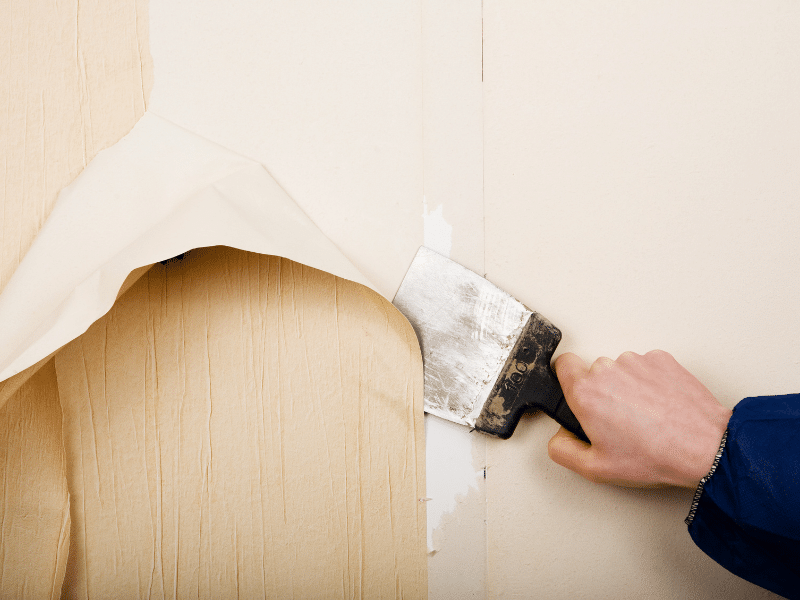
A Small Test Helps Define the Right Method
A cautious test in an inconspicuous area helps reveal whether the covering separates cleanly, leaves a paper backing, or grips the surface beneath it. If drywall facing begins to lift, forcing the material can turn removal into a larger repair job. The most useful next step is to adjust the method and reassess the wall.
Steam, a wallpaper-removal solution, and controlled manual stripping can all have a place, but none should be presented as universally safe. Heat and moisture must be managed around outlets, trim, older paint, and wall materials that absorb water readily. Our assessment also considers whether the area can be protected adequately before work begins.
Where surface preparation uncovers extensive deterioration, leaks, persistent dampness, or suspected mold, removal alone may not solve the underlying problem. Those concerns should be addressed before the wall is refinished. We discuss what can be handled within the painting and wall-preparation scope and when evaluation by another specialist may be appropriate.
Our Wallpaper Removal Process, Step by Step
We approach wallpaper removal as a sequence of decisions rather than a shortcut. The exact order and methods depend on the surface, but the objective stays the same: protect the room, release the covering, remove suitable residue, assess damage, and prepare the wall for the next finish. Clear steps help homeowners understand what they are paying for and what conditions may affect the schedule.
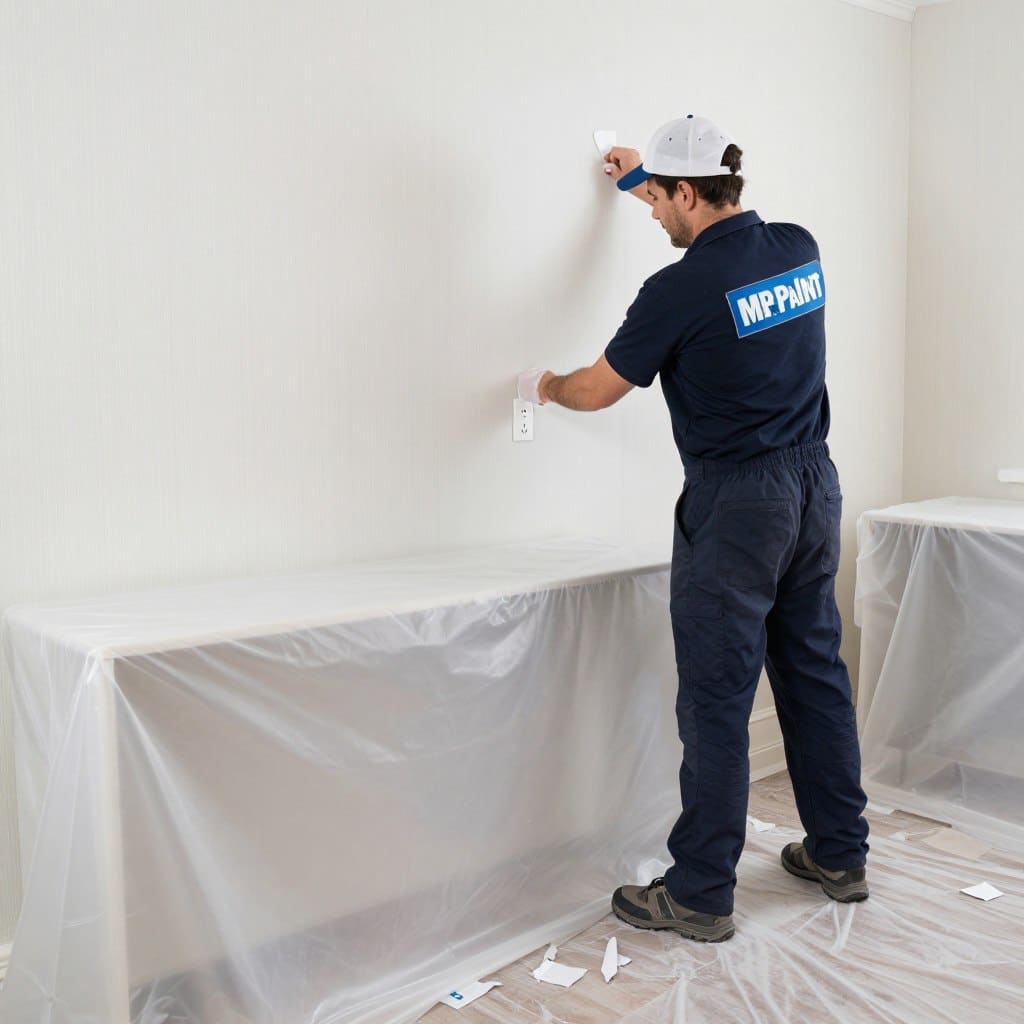
STEP 1
Inspect and Protect the Room
We look at the wallcovering, accessible seams, wall type, furniture, flooring, trim, and fixtures. The work area is prepared so removed paper, moisture, and debris can be contained. We also review electrical areas and access requirements before removal begins.
STEP 2
Release the Wallcovering
After testing a small area, we choose a suitable removal approach and work in controlled sections. The decorative surface and any remaining backing are addressed with care, avoiding unnecessary scraping or moisture exposure to the underlying drywall or plaster.
STEP 3
Address Adhesive Residue
Paper removal does not always remove the paste. We inspect the wall for tacky or shiny patches, clean remaining adhesive using a method suitable for the surface, and allow adequate drying time before further preparation.
STEP 4
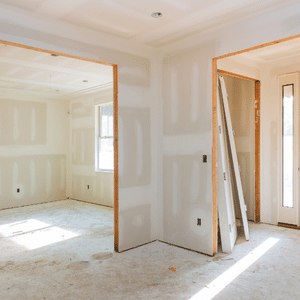
Repair and Smooth the Wall
Once the wall condition is visible, we evaluate tears, small holes, ridges, and loose surface material. The agreed scope may include patching, sealing damaged drywall paper, sanding, or a skim coat to improve the surface before priming.
STEP 5
Prepare for the New Finish
We review whether the wall is clean, dry, sound, and ready for the next stage. If painting is included, appropriate priming and coating follow product instructions and the condition of the wall. A final walkthrough confirms the finished scope and any remaining items.
Planning a Room Makeover?
Wallpaper removal, minor wall repairs, and fresh paint work best when they are planned together. Tell us what the walls look like now and what finish you want afterward.
Why Removing Wallpaper Glue Matters Before Painting
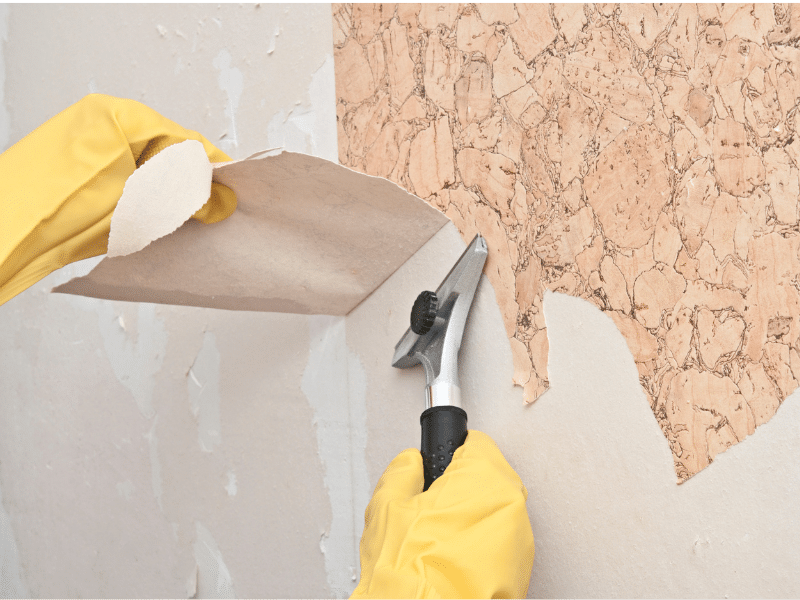
One of the most common frustrations after stripping wallpaper is discovering that the wall still feels slightly sticky or develops visible streaks when it gets wet. Wallpaper adhesive can leave an uneven film even after all the paper has been removed. Painting directly over that film may lead to an inconsistent finish or adhesion problems. That is why the cleanup stage deserves the same attention as the visible removal.
Adhesive Cleanup Is Part of Preparing the Surface
Different pastes respond to different removal methods. In some situations, controlled cleaning with warm water and a suitable mild cleaner may be appropriate; in others, a product intended for wallpaper adhesive is needed. The goal is to loosen and remove residue without saturating vulnerable drywall or spreading paste across a larger area.
Rinsing and drying are important. A wall can appear dry on the surface while still holding moisture in damaged paper or patching material. We evaluate the condition before moving on to sanding, priming, or painting, and we follow the instructions for the specific materials used.
Sherwin-Williams’ guide to painting after wallpaper removal explains why old adhesive should be cleaned off, the wall allowed to dry, and imperfections repaired before priming. This is a useful reference for property owners who want to understand why proper preparation affects the finished appearance. Product selection still depends on the actual wall, not on a one-size-fits-all recipe.
If old adhesive has penetrated porous surfaces or removal exposes damaged drywall facing, a qualified assessment may point to additional sealing or repair steps. Applying more coats of ordinary wall paint is not a substitute for correcting those conditions. A stable, even substrate gives the following interior paint application a better starting point.
Drywall and Plaster Repairs After Wallpaper Removal
Wallpaper can hide flaws as effectively as it covers a dated pattern. When the paper comes away, the wall may reveal earlier screw holes, patched seams, uneven skim coats, or damaged drywall facing. Older plaster can have different concerns, including cracks or areas where the surface is no longer sound. Addressing these issues is important if the goal is a smooth painted room.
Torn Drywall Paper
If drywall facing pulls away with the wallpaper, the exposed area may need an appropriate sealer before patching or finish coats. Painting directly onto an unstable or fuzzy surface can leave visible marks and uneven absorption.
Gouges, Small Holes, and Loose Spots
These areas are assessed and repaired as needed. Patching compounds, feathering, and controlled sanding can improve the transition between repaired and original surfaces when the underlying wall is structurally suitable.
Uneven Texture and Old Seams
Some rooms have a mixture of old paint, glue, repairs, and textured finishes. The level of smoothing should reflect the agreed finish standard and the lighting conditions of the room.
Water Stains or Soft Areas
Visible moisture damage should not be concealed with wallpaper or a fresh coat of paint. The source of moisture and the condition of the wall need attention before cosmetic work proceeds.
For more extensive patching, learn about MR Paint’s drywall repair services. Combining the appropriate repairs with wallpaper removal can streamline a project, but the estimate should specify whether patching, skim coating, priming, and painting are included rather than treating them as automatic extras.
We also distinguish between a wall that is sufficiently smooth for a textured finish and one intended for a clean, uniform eggshell or matte paint. Smooth paint can highlight defects that a patterned wallcovering previously concealed. Discussing that difference before work starts helps set reasonable expectations about preparation and final appearance.
Wallpaper Removal for Homes, Apartments, and Commercial Interiors
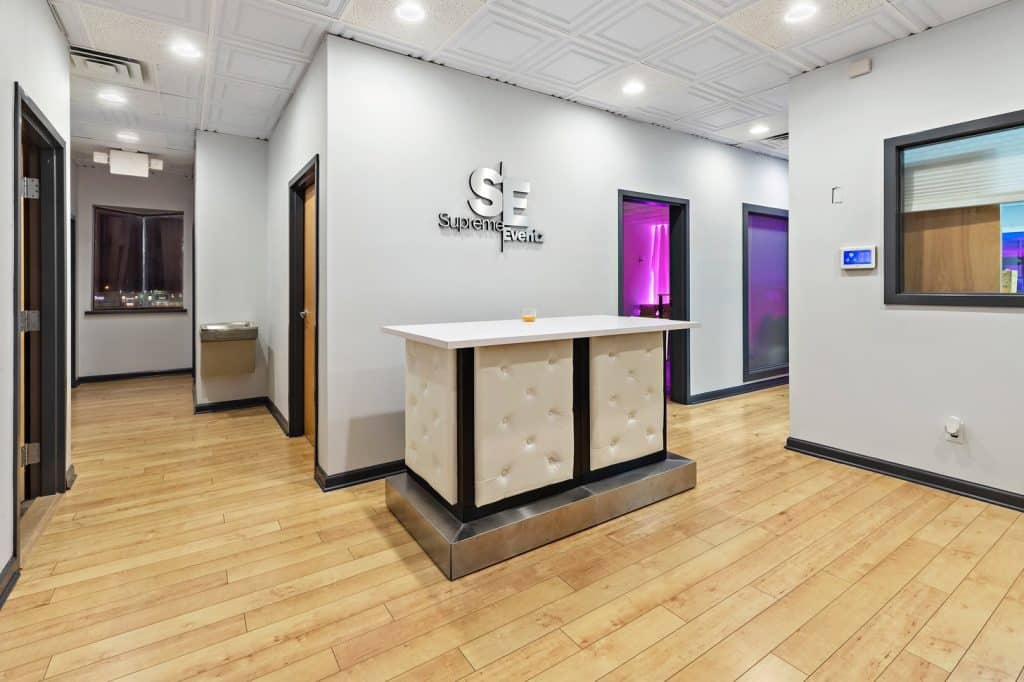
Outdated wallcoverings appear in more than living rooms. We discuss wallpaper removal for residential spaces, rental properties, offices, and selected commercial interiors based on the wall condition, access, and scope. Each setting brings different practical details: protecting furnishings, keeping pathways clear, managing moisture, and scheduling around the people who use the space.
Living Rooms, Bedrooms, and Hallways
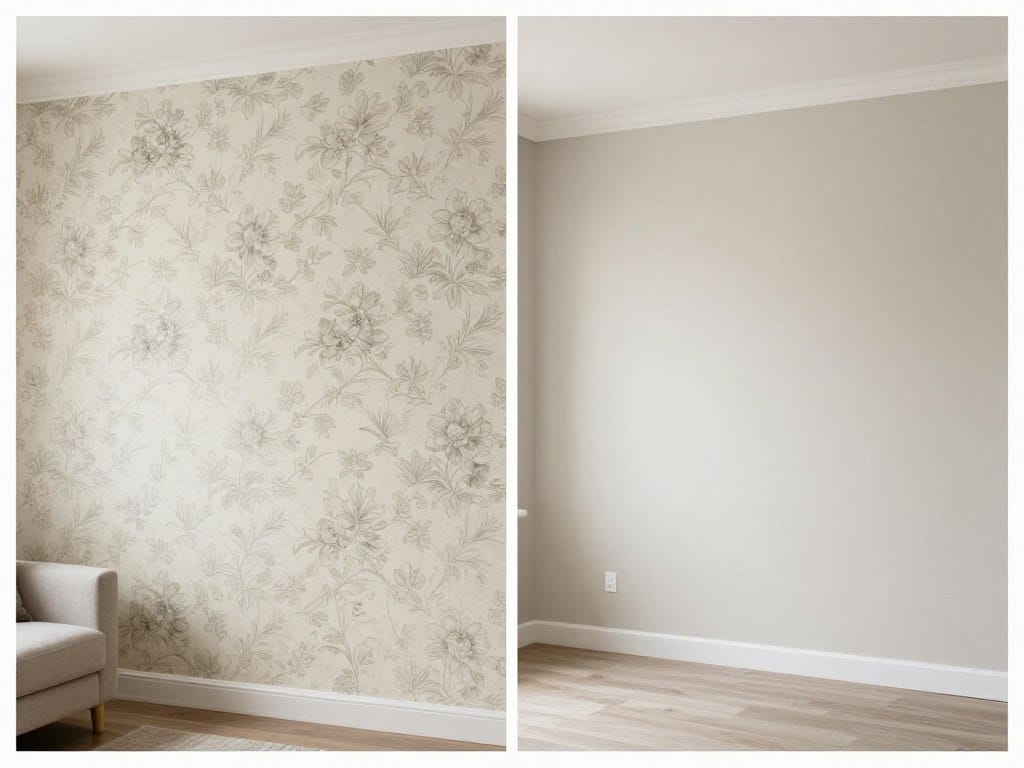
Removing a dated pattern can help create a calmer, more cohesive home. These rooms may have delicate trim, built-in furniture, and strong natural light that makes wall preparation especially visible. We discuss the intended paint finish before deciding how much smoothing is appropriate.
Kitchens, Dining Areas, and Bathrooms
Humidity, cleaning products, and older wall finishes can complicate removal. In rooms with frequent moisture, it is important to look for damaged substrate and lingering dampness before selecting a new finish or repainting.
Offices, Rentals, and Turnover Projects
Wallpaper removal can form part of a broader refresh before new occupants arrive or a business updates its interior. We discuss the accessible work area, timing, cleanup, and whether related painting or repairs should be coordinated.
Property managers updating commercial spaces may also find our commercial interior painting and broader commercial painting pages useful. When a project covers several rooms or tenant spaces, we can review priorities and access needs during the estimate rather than assuming every area can be completed at the same pace.
Plan Wallpaper Removal and Repainting as One Project
A room can look dramatically different after wallpaper is removed, but the bare wall is often only the midpoint of a complete update. If your goal is new paint, planning both stages together helps avoid uncertainty about repairs, drying time, priming, color selection, and scheduling. A realistic plan should reflect the current condition of the walls and the level of finish you want—not an arbitrary deadline.
From Old Wallcovering to a Paint-Ready Surface
Once the paper and adhesive are removed, the wall needs time to dry. Repairs may then be needed before primer and paint are applied. The correct sequence depends on whether the wall is plaster, painted drywall, newly exposed joint compound, or a mix of older surfaces. We choose products appropriate for those conditions and follow manufacturer instructions.
Color and sheen selection can also influence preparation. A highly reflective finish may reveal surface variation more readily than a low-sheen coating. If strong side lighting falls across the wall, even a small irregularity can become noticeable. Discuss these priorities when requesting an estimate so the proposed work aligns with your expectations.
Our professional interior painting team can help you plan the transition from wallpaper to a clean finished room. For whole-home updates, explore our residential painting services and project gallery to see the broader range of finishes MR Paint works with.
Why a Realistic Timeline Matters
Removal time depends on paper type, adhesive, the number of layers, wall size, and the substrate condition. Some areas release quickly, while others require repeated careful passes. If the wall is damaged, additional curing or drying periods may be necessary before primer and paint. Rather than promising every room will be finished in a day, we explain the expected sequence after assessing the site.
We also review practical needs such as moving fragile personal items, making walls accessible, protecting floors, and keeping small children or pets away from the active work zone. Commercial projects may need a different schedule around office hours, shared entrances, or equipment. Thoughtful planning makes the work less disruptive even when removal conditions turn out to be more complicated than expected.
Why Choose MR Paint for Wallpaper Removal?
Most customers want the same outcome: the old wallcovering removed, the room respected, and the wall left in a condition that supports its next finish. That requires more than one tool or a quick peel. Since 2011, MR Paint has focused on preparation, communication, and careful finishing for homes and businesses across Central New Jersey. We bring that same attention to wallpaper removal.
Careful Evaluation
We look at the wallpaper, adhesive, and underlying surface before choosing a removal approach. When complications become visible, we discuss the appropriate next steps rather than covering them up.
Clean, Considerate Work
Protecting nearby rooms, collecting wet paper, and keeping tools and materials organized helps reduce unnecessary disruption. Cleanup is part of our project planning, not an afterthought.
Related Repair and Painting
When wall preparation or painting is also needed, we can discuss a coordinated scope that addresses the underlying surface before the finished coat goes on.
Clear Communication from Estimate to Walkthrough
We ask what rooms are involved, how old the wallpaper may be, and whether you know what is underneath. Photos can help with an initial conversation, but an on-site evaluation may be necessary to understand adhesion, damaged drywall, or hidden layers. The estimate should identify the requested service and any related work that may be needed.
For customers balancing jobs, children, tenants, or business operations, schedule clarity matters. We discuss access, protection, and the likely sequence before starting. After the agreed work is complete, a walkthrough gives you an opportunity to review the results and the next step for the walls.
Learn more about MR Paint on our About Us page, or contact our team to discuss a wallpaper removal estimate. We are happy to explain the difference between removing the paper alone and delivering a wall that is ready for new paint.
Important Considerations for Older Walls and Paint Layers
Older homes can contain finishes and materials that call for additional caution. Wallpaper itself is not necessarily the concern; the layers beneath it, the work practices required, and any hidden damage may be more important. If removal reveals loose paint, dusty layers, or an uncertain material, the correct response is not to scrape or sand without considering the risks.
For work that disturbs painted surfaces in pre-1978 housing or child-occupied facilities, the U.S. Environmental Protection Agency explains that its Renovation, Repair and Painting program may impose lead-safe requirements. Whether those rules apply depends on the property and the work. We do not treat a wallpaper-removal project as proof that an older paint layer is safe to disturb.
Likewise, widespread dampness, soft drywall, unusual staining, or suspected mold should be investigated rather than hidden under primer. Addressing the cause of moisture is the priority before cosmetic restoration. If an area requires work outside the painting scope, that should be identified and discussed during planning.
Wallpaper Removal in South Amboy and Central New Jersey
MR Paint is based in South Amboy, NJ, and serves surrounding New Jersey communities within an approximately 35-mile driving radius. We work with homeowners, business operators, and property managers who want dependable wallcovering removal and a clear plan for the finished space. If you are unsure whether we serve your specific location, call or send the address and we will confirm availability.
Our approach begins with your property and your priorities: number of rooms, condition of the wallpaper, access, furniture protection, and the finish you want next. Whether you need one accent wall cleared or a larger coordinated interior update, a realistic estimate begins with those details rather than a generic price per roll of wallpaper.
Ready to discuss your address and project?
Call (908) 963-7371 or send photos and details through our contact page. We’ll help determine the best next step.
Frequently Asked Questions About Wallpaper Removal
These are some of the most common questions we hear when homeowners and property managers plan to replace old wallcoverings with a fresh interior finish.
How long does professional wallpaper removal take?
The timeline varies with room size, the number of layers, the adhesive, and the condition of the wall beneath the paper. Some surfaces release quickly, while other areas need more careful work and additional drying time. We discuss timing after evaluating the project rather than promising the same schedule for every room.
Can wallpaper removal damage drywall?
It can. Paper installed over poorly primed drywall may pull away the facing layer, and aggressive scraping or excessive moisture can cause additional damage. We begin with a controlled test and adapt the removal method. If damage is already present or becomes visible, we explain the repair steps needed before finishing.
Will you remove the old wallpaper glue too?
Removing accessible wallpaper adhesive is an important part of preparing the wall. We assess the residue and use a suitable cleaning process for the surface. Additional sealing, repair, or priming may be necessary depending on the wall condition and the finish you want afterward.
Can you paint the room after removing the wallpaper?
Yes, we can discuss coordinating wallpaper removal with interior painting. The wall needs to be clean, dry, sound, and appropriately prepared first. Repairs, primer, and painting should be included in the agreed scope so you know exactly what the estimate covers.
Should I paint directly over existing wallpaper instead?
Painting over wallpaper is generally not the preferred first option. Seams may remain visible, the covering may release later, and the paint can highlight the texture beneath it. A careful inspection helps determine whether removal is practical and what preparation the exposed wall will need.
Do you remove vinyl and multiple layers of wallpaper?
We evaluate a range of wallcoverings, including coated paper and multiple-layer installations. The appropriate technique depends on how the materials are bonded and the condition of the substrate. Some layers may require more time and additional repairs, which we discuss during assessment.
What happens if the wall is uneven after the wallpaper comes off?
We inspect the uncovered surface for ridges, holes, torn facing paper, and old patching. Depending on the condition and the final finish you want, the next steps may include patching, sealing, sanding, or skim coating. We describe the repair scope before moving to primer and paint.
Do I need to move my furniture before the project?
Please remove small valuables, fragile decorations, and items that block access to the walls. We discuss larger furniture, floor protection, and room access when scheduling so the workspace can be prepared safely and efficiently. The exact arrangements depend on the room and project scope.
Can wallpaper removal be done in offices or rental properties?
Yes, we can evaluate wallpaper removal for suitable residential and commercial interiors. We discuss occupied spaces, access, schedules, and related painting or repairs before agreeing on the scope. For properties with tenants or shared corridors, phasing and clear communication may be especially important.
Why is leftover adhesive a problem before painting?
Old wallpaper paste can interfere with primer or paint adhesion and cause streaks or uneven texture. The wall should be checked for residue, cleaned using a surface-appropriate method, and allowed to dry thoroughly. Any remaining damage should be addressed before the final coating system is applied.
What if the wallpaper is hiding water damage or mold?
Wallpaper removal can uncover stains, soft wall material, or dampness. The source of moisture needs to be addressed before refinishing. When conditions suggest a problem beyond cosmetic wall repair, additional evaluation or specialized remediation may be needed. Painting over moisture damage is not a durable solution.
How do I request a wallpaper removal estimate from MR Paint?
Call (908) 963-7371 or use the contact page and tell us the property location, the number of rooms, and whether you want painting afterward. Photos and details about older wallpaper or wall damage can help the initial conversation. We will confirm whether the property is within our service area and discuss the next steps.
Ready to Remove Outdated Wallpaper?
Start with a free estimate from MR Paint. We’ll discuss the wallcovering, the condition of the room, whether repairs or painting are needed, and how to plan the next steps with care.
Based in South Amboy, New Jersey · Serving nearby communities within approximately 35 driving miles · info@mrpaintnj.com