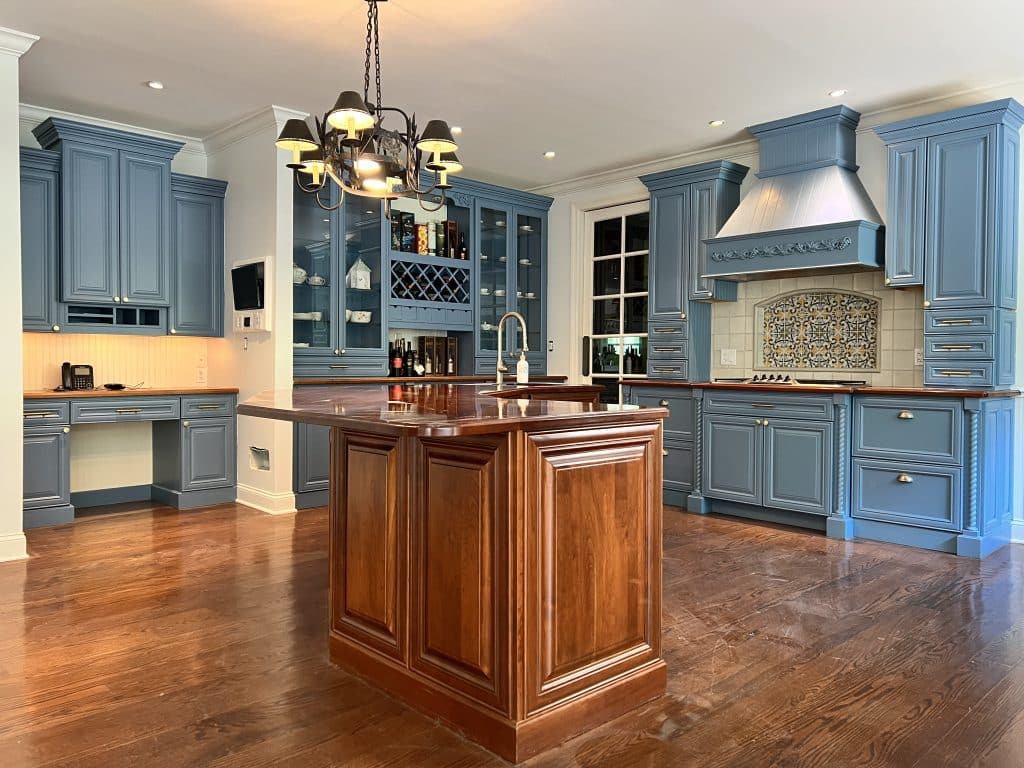
How much should you expect when you want a fresh look and fail-safe results? Learn about the Cost to Paint the Interior of a House.
We break down national price patterns and real choices that steer final numbers. A typical 2,000-square-foot home often lands between $4,000 and $10,000 depending on scope, surfaces, and prep. We will explain drivers like surface condition, room count, ceiling height, trim detail, and product selection.
We show up on time. We keep sites clean. We deliver durable finishes. Since 2011, referrals have grown our business across South Amboy and a 35-mile radius in New Jersey.
Our simple process—clear communication, reliable scheduling, premium materials, careful prep, final walkthrough—helps homeowners plan with confidence. For deeper breakdowns and per-square-foot guidance, call us at (908) 963-7371 and get a free estimate.
Key Takeaways
- Square footage and surface prep are the main price drivers.
- Material choice and trim detail change the final figure more than you might expect.
- Proper prep and premium products yield fewer touch-ups and longer life.
- MR Paint focuses on clean work, reliable schedules, and guaranteed finishes.
- Estimate ahead using per-square-foot benchmarks before requesting quotes.
What Interior Painting Costs in the U.S. Right Now
Realistic figures let homeowners budget for quality work and fewer surprises. We use simple benchmarks so you can compare quotes quickly and confidently.
Typical national ranges for a full home interior
Full home interior pricing commonly runs between roughly $4,500 and $10,500 nationwide. Trades often quote on square footage or by scope—walls only versus walls plus ceilings, trim, and doors.
Example pricing for a 2,000-square-foot home interior
A 2,000 square feet home usually lands near $4,000–$10,000. That band reflects low-scope projects at the lower end and high-scope, premium-product jobs at the upper end.
Why prices vary so much from house to house
- Scope: More surfaces and trim raise labor and material needs.
- Prep: Heavy repairs, color changes, or textured walls add time.
- Pricing method: Per square foot of floor space versus paintable wall area can skew comparisons.
We confirm scope, surfaces, and prep needs before quoting. That way you know what is included and how we match product choices to durability goals. Use these ranges to plan a realistic painting cost before scheduling an on-site evaluation.
How to Estimate Your Cost Using Square Footage and Per-Square-Foot Rates
A quick math rule—multiply square footage by a per square foot rate—gives a reliable starting estimate. We use this shortcut when homeowners want a fast, realistic range before an on-site quote.
Average pro and DIY ranges
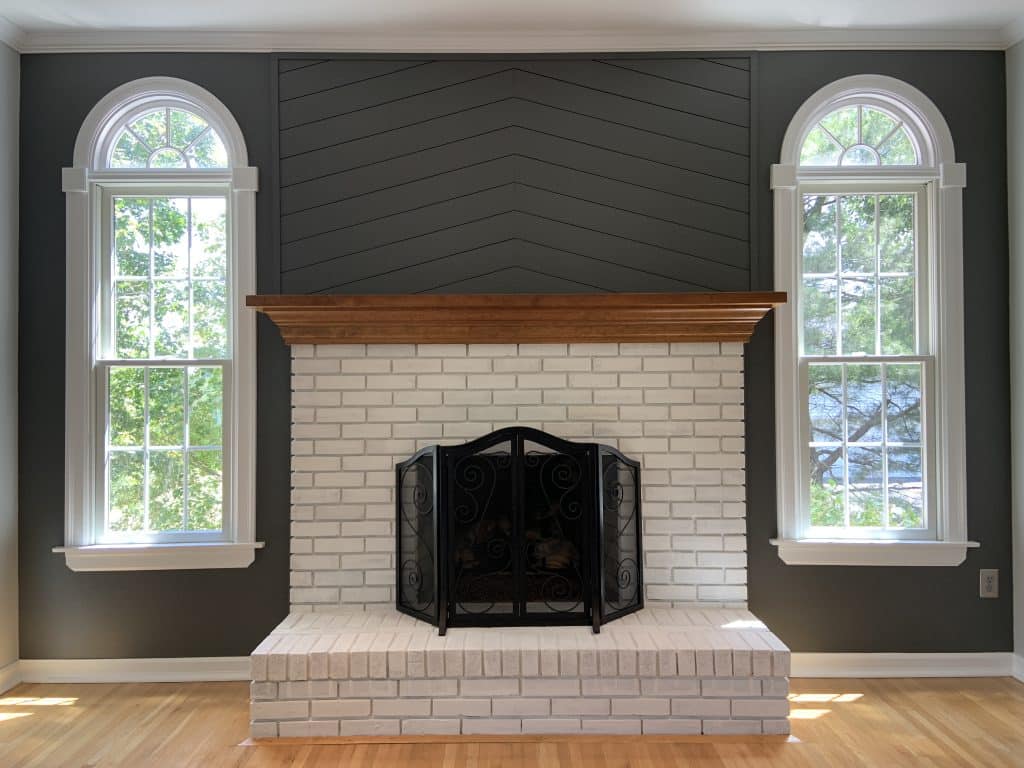
Professional interior painting typically runs about $2–$8 per square foot depending on prep and scope. DIY usually lands near $1–$3 per square foot once paint, primer, and supplies are included.
Quick pro vs. DIY notes
- DIY cuts labor but adds your time and risk of overbuying paint and supplies.
- DIY cost per square usually includes paint, primer, rollers, brushes, tape, drop cloths, sandpaper—often missing ladders and cleanup gear.
- Painters deliver cleaner edges, consistent sheen, and less rework—value when layout or schedule matters.
Footage examples and high ceilings
Use this benchmark for whole-home estimates: 500 ($1,000–$2,500), 1,000 ($2,000–$5,000), 1,500 ($3,000–$7,500), 2,000 ($4,000–$10,000), up to 4,000 ($8,000–$20,000).
Note: ceilings over about 10 foot can raise labor and staging needs by roughly 20–40%—more setup, slower production, and extra safety measures.
Cost to Paint the Interior of a House: Step-by-Step Calculator
Start by measuring the actual paintable surface—this gives a practical, no-surprise estimate for your project.
Quick measuring steps:
- Measure room perimeter × wall height for total wall area.
- Subtract large openings (doors and big windows).
- Repeat for each room and add totals for paintable surfaces.
Define scope and gallons
Decide if the painting project covers walls only or includes ceilings, trim, and doors. Floor square footage helps for quick budget checks when comparing quotes.
- Estimate gallons: total paintable square feet ÷ 350 (coverage) × coats.
- Add one extra gallon for waste and touch-ups.
- Factor primer when needed—primer runs about $15–$25 per gallon.
- Paint often ranges $20–$55+ per gallon; premium lines can approach $100.
Build a simple budget: materials + labor + a 10–20% contingency for repairs, extra coats, or schedule changes. This gives a realistic money range and protects your timeline.
Interior Painting Cost by Room Type
Room-by-room estimates help you plan budgets and phase work with minimal disruption.
Bedrooms and standard living spaces
Bedrooms and most living rooms are straightforward. Fewer obstacles and simple wall runs mean predictable labor and lower costs.
Typical ranges: bedrooms ~$200–$850; living areas ~$300–$1,500, depending on size and ceilings.
Open living areas and great rooms
Open plans add scale. Large walls and tall ceilings increase time and paint use—even when room count is low.
Kitchens and dining rooms
Kitchens need careful cutting around cabinets and appliances. Dining rooms often have trim work that slows progress.
Expect kitchens from ~$400–$1,200 and dining rooms ~$300–$900 when detail work is included.
Bathrooms and moisture-ready finishes
Bathrooms require moisture-resistant products and extra prep. Ventilation, mildew repair, and tile edges raise both materials and labor.
Small baths often run ~$150–$400; budgets climb if repairs or mold remediation are needed.
Hallways, entryways, and stairs
These are time-heavy spaces. Tight angles, railings, and frequent ladder moves increase labor and overall costs.
- Why room pricing helps: phase updates, prioritize high-traffic areas, and match durable finishes to daily wear.
- Control your costs: clear rooms, pick mid-sheen finishes for durability, and limit color changes where possible.
Cost by Surface: Walls, Ceilings, Trim, and Doors
A clear surface-by-surface breakdown helps you compare bids and avoid hidden line items.
We commonly price walls and ceilings by square footage. Surface-only work often runs about $1–$2 per square foot. Real-world jobs can reach $2–$5+ per square foot when access, high ceilings, or heavy patching are needed.
Trim and detail
Trim usually gets billed separately—often by linear foot. Detail work takes more time.
- Hand cutting and masking for clean lines.
- Multiple light coats for an even sheen.
- Extra sanding and filler for tight profiles.
Doors as a line item
Doors are priced per unit. Expect about $40–$100 per door depending on prep and hardware protection.
How we build a scope
We list what’s included and what’s excluded. That clear scope drives the final job total.
MR Paint standard: careful masking, crisp cutting, and a consistent finish across all surfaces so every room reads right under real lighting. Check our residential services.
Materials and Paint Type: How Product Choices Change the Price
Choosing the right materials shapes both upfront pricing and long-term results. We match product selection to each surface so finishes last and perform under daily use.
Latex vs. oil-based
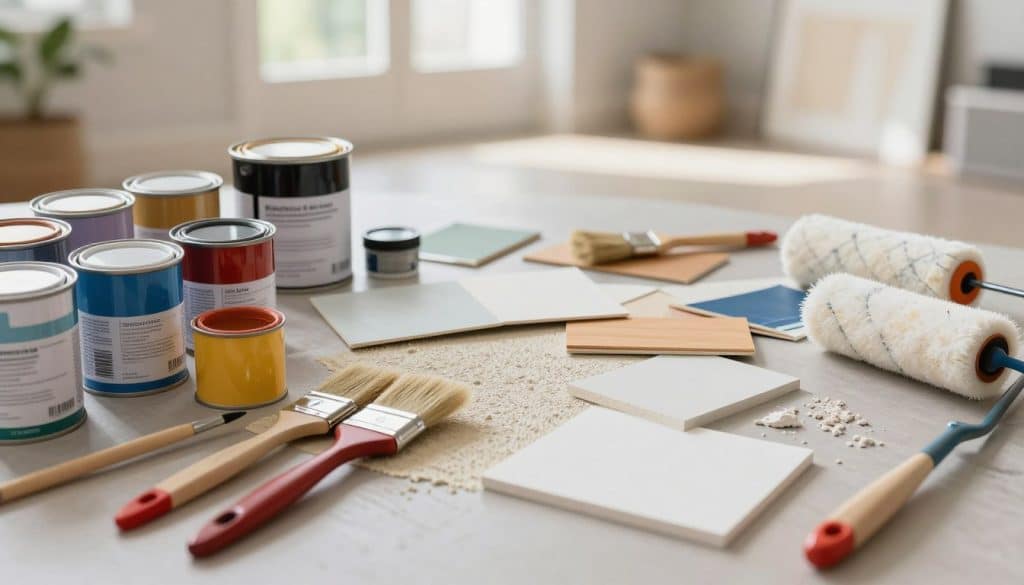
Latex is the go-to for walls. It cleans with water, dries faster, and hides well with fewer coats. That lowers labor and can reduce per square foot spend.
Oil-based shows its value on trim and doors. It gives a harder, glossier finish for high-wear areas—even if the upfront cost is higher.
Price ranges and premium benefits
Paint generally runs about $20–$55 per gallon, with premium lines up to $100. Premiums buy better hide, fewer coats, and longer durability—so you often save on labor and touch-ups.
Primer and specialty options
Primer averages $15–$25 per gallon. Use primer for patched walls, stains, smoke or major color shifts. It controls coverage and avoids rework.
Low-VOC and specialty products help indoor air quality. They add modestly to material spend but matter for kids, pets, and sensitive households.
- Quick tip: We weigh product choice against prep work and surfaces—then recommend the system that fits your home and budget.
Prep Work and Add-On Costs That Impact the Final Quote
Prep quality is often the single biggest factor that changes a final quote. Clear, steady prep shortens timelines and protects surfaces. We explain common add-ons so homeowners can budget without stress.
What standard prep work includes
We protect floors and cover furniture. We clean walls, patch nail holes, sand rough spots, and tape for crisp edges.
When “extra prep” becomes necessary
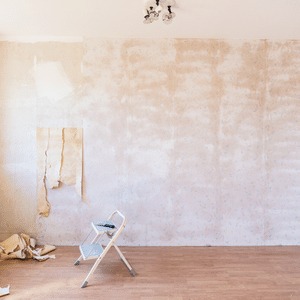
Extra prep covers large patches, recurring cracks, peeling layers, heavy stain blocking, or uneven surfaces. These repairs add time and material and can raise the final cost by significant margins.
Textured walls and wallpaper removal
Textured walls often need up to 50% more paint and slower application. That changes both material and labor estimates.
Wallpaper removal is typically around $3 per square foot. Multiple layers or damaged drywall can raise that figure.
- Common job-site fees: furniture moving ($50–$500), daily/final cleanup ($100–$500), disposal/environment fees ($50–$200).
- Surface repair allowances: small allowances run $50–$500+ depending on drywall condition and ceilings height.
- How you can save money: clear rooms, remove small items, and confirm scope in writing to avoid surprises.
We keep sites tidy each day, protect your home, and never rush prep. That care delivers a durable finish and fewer callbacks on any interior painting project.
Labor, Scheduling, and Timeline: What You’re Paying Painters For
Understanding crew hours and timeline expectations keeps your project on track and within budget.
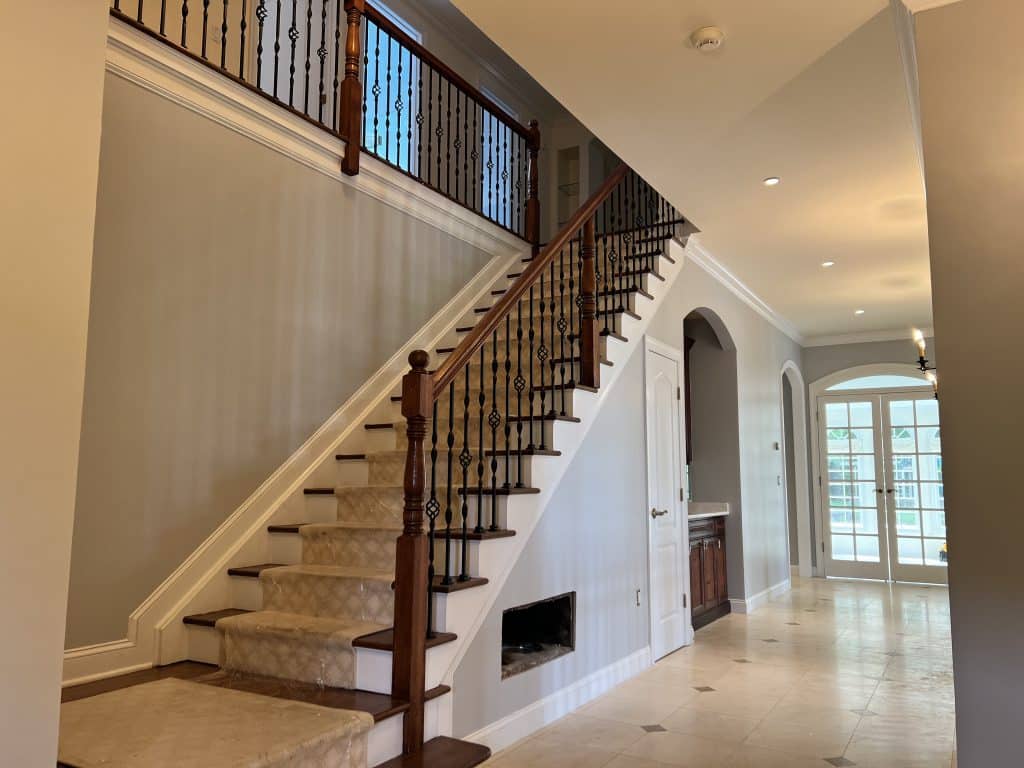
Typical hourly ranges run roughly $20–$50 per hour in many markets, with averages near $46–$51 where demand is high. Rates shift with crew size, travel, and level of detail.
What labor includes
- Prep and protection—drop cloths, furniture cover, masking.
- Cutting in, patching, caulking, sanding, and coat timing.
- Cleanup, touch-ups, and a final walkthrough.
Timeline expectations
An average home often finishes in about 2–4 days. A 2,000 sq ft job commonly needs 5–7 days when ceilings, trim, and prep add steps.
Drying and recoat windows affect time. Multiple colors or specialty coatings lengthen schedules.
Seasonality and scheduling tips
Booking in the off-season—late fall and winter—can lower costs and help you save money. Fast homeowner decisions on color and sheen also protect schedule and budget.
Our approach: reliable scheduling, clear communication, and a final walkthrough so you sign off confident the interior work meets our standards.
What Our Clients Say


Conclusion
Wrap up your plan with clear numbers and a simple scope—this makes budgeting straightforward. Use square footage as your baseline; expect pro pricing per square foot. Note that high ceilings add roughly 20–40% more work, textured walls can need up to 50% extra material, doors are priced per unit, and wallpaper removal is billed per square foot.
Control money and time: define walls-only versus full interior, pick durable products, and run the quick calculator steps before you call for quotes. Professional interior painting brings cleaner finishes, better prep, and a steadier schedule—where our expertise pays off.
MR Paint promise: craftsmanship, clean work, guaranteed results. Founded in 2011, we grew by being on time and keeping sites tidy. Call (908) 963-7371 or email info@mrpaintnj.com. Based in South Amboy, NJ; we serve locations within a 35-mile radius.