Can Exterior Paint be Used Inside? Expert Tips from MR Paint

Leftover exterior coatings look tempting. But should you bring that can into your home? Can Exterior Paint be Used Inside?

We answer that with clear, practical advice. Exterior formulas are built for sun, rain and harsh wear. They often include stronger solvents and additives that make them tough outside—but harsher indoors.

Home comfort and air quality matter. Using the wrong product can leave odors, uneven sheen, and surfaces that are hard to clean. We prioritize safe indoor air, clean work, and durable finishes.

As a South Amboy team serving New Jersey within 35 miles, we’ve seen this issue in many homes. We’ll explain the real differences between interior and exterior coatings, what goes wrong, and easy fixes if it already happened.

Want a guaranteed, clean result? Call (908) 963-7371 or email info@mrpaintnj.com. We show up on time, keep sites clean, and deliver finishes we stand behind.

Key Takeaways

  • Exterior formulas aim for outdoor durability; they can affect indoor air and finish.
  • We generally recommend interior paint for living spaces for safety and washability.
  • Wrong choices can change color, sheen, and long-term performance.
  • MR Paint offers local, reliable service with careful prep and a final walkthrough.
  • If you’ve already used an exterior product indoors, we can assess and correct it with minimal disruption.

Quick Answer: Is Exterior Paint Inside Your Home a Good Idea?

Homeowners often reach for extra exterior cans when a quick indoor touch-up is needed. It feels like smart reuse. But the short answer—no. In most cases, exterior paint inside a living area isn’t a good idea.
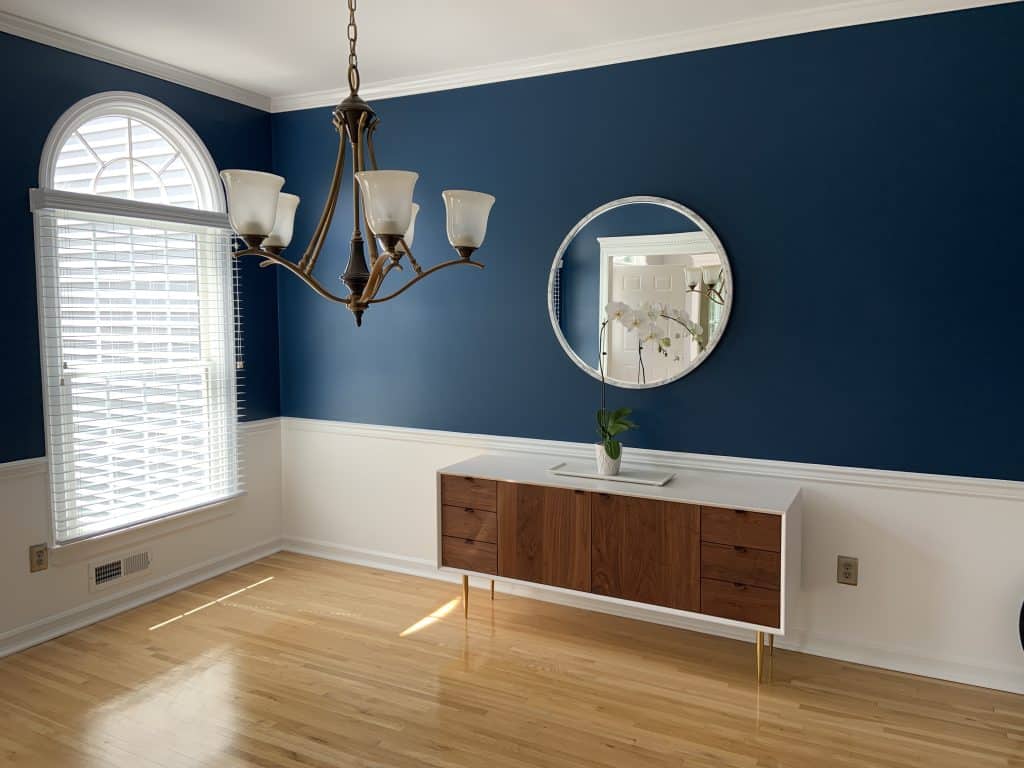
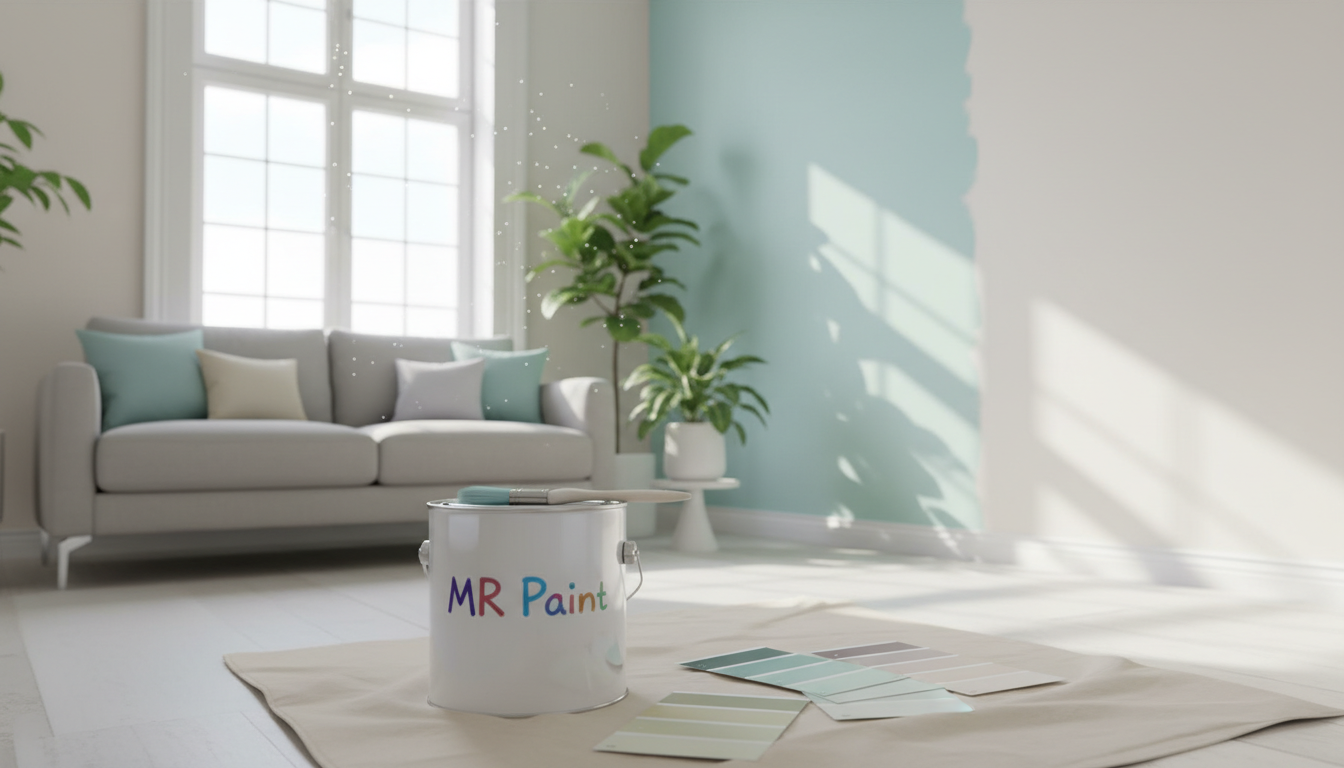
house painting - A brightly lit interior scene showcasing a freshly painted wall in a contemporary living room. In the foreground, a well-organized workspace with paint supplies, including cans labeled “Exterior Paint,” brushes, and a color palette, lays on a drop cloth. The middle-ground features the newly painted wall, showcasing a vibrant color that contrasts with the neutral-toned furniture, emphasizing the texture and finish of the paint. In the background, natural light streams through large windows adorned with sheer curtains, creating a warm ambiance. The atmosphere is inviting and cozy, with modern decor elements like plants and art, suggesting a blend of style and practicality. Capture this scene from a slightly elevated angle to provide a comprehensive view of the space while ensuring the focus remains on the painted wall and accompanying supplies.

Health and finish are the two big reasons. Exterior formulations usually contain higher VOCs and mildewcide additives. In enclosed rooms those chemicals raise odor and irritate eyes, nose, and throat.

Exterior coatings also cure differently without outdoor airflow and sunlight. That can cause poor sheen, longer off‑gassing, and durability problems on drywall and trim.

  • Why people ask: leftover exterior paints seem waste‑free for a small job.
  • Reality indoors: higher VOCs and additives reduce air comfort and safety.
  • Decision rule: if people will live, sleep, or work in the space, choose interior paint for cleaner air and easier cleaning.

We serve South Amboy, NJ and nearby towns within 35 miles. If you want the job done right, we’ll help pick materials and schedule a clean, reliable painting visit. Next, we’ll break down the key formulation differences so you can choose with confidence.

Interior Exterior Paint Differences That Matter Indoors

Products built for weather resistance bring different chemistry and trade-offs into a home.

Core ingredients are simple: pigments give color, resin binds, solvent carries, and additives add performance. Exterior paints contain tougher additives and mildewcide to stand up to sun, rain, and mold on exterior surfaces like stucco and wood.

Resin and temperature

Exterior resin is more flexible to handle temperature swings. That keeps siding from cracking in freeze/thaw cycles. Interior resin is firmer to resist scuffs and stains on walls and trim.

VOCs, curing, and adhesion

Exterior formulations often have higher vocs and extra chemicals that help outdoors. Indoors, they can smell longer and cure slower without UV and airflow. Exterior paints also bond well to rough exterior surfaces; drywall needs coatings made for smooth interior surfaces.

  • Outcome: odor, longer drying time, and uneven sheen are common if you skip the right product.
  • Tip: choose interior paint for living spaces and latex options for easy cleanup.
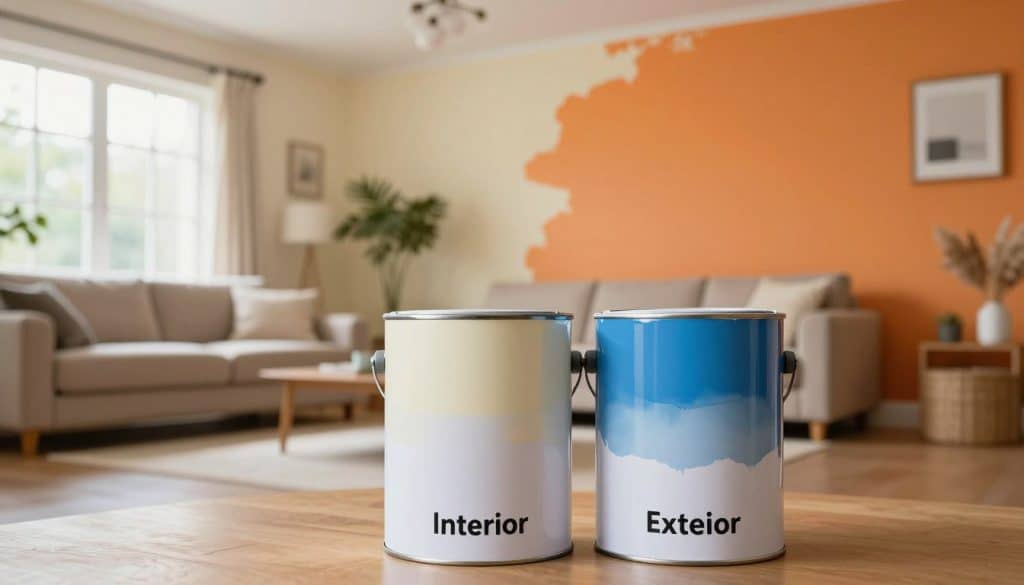
A beautifully organized interior space showcasing the differences between interior and exterior paint. In the foreground, two paint cans are displayed side by side, one labeled "Interior" and the other "Exterior," each with vibrant colors—soft pastels for interior and bold, weather-resistant hues for exterior. In the middle ground, a well-decorated living room features walls painted in a soft cream interior color, contrasting with a vibrant exterior color on a feature wall, demonstrating its uneven finish. Natural light filters through a large window, creating a warm and inviting atmosphere. The background displays subtle hints of outdoor scenery, enhancing the indoor ambiance. The composition should use a 35mm lens perspective to capture the entire scene sharply and create a cozy, informative mood.

Can Exterior Paint be Used Inside vs Using Exterior Paint Inside

Bringing outdoor coatings indoors changes how a surface looks and how the air feels. We recommend clear choices to protect family comfort and finish quality.

What happens when you paint inside with exterior paint: fumes, odors, and indoor air quality

Fumes and indoor air quality

Exterior formulas often contain higher VOCs and extra chemicals. That means stronger fumes and longer off‑gassing in closed rooms.

This is a real concern in bedrooms and nurseries. Ventilation helps, but the safest route is to use interior products designed for living spaces.

Common damage risks: cracking, chipping, and uneven finish on interior surfaces

Exterior coatings cure differently. Indoors they can stay tacky, show roller marks, or dry with uneven sheen under indoor light.

They also may not flex or adhere to drywall the way interior options do. That raises the risk of cracking and chipping on walls and trim.

Why mixing interior and exterior paints can create performance problems

Mixing formulas drains predictability. Even when paints contain similar bases, additives and resins can conflict.

The result: poor adhesion, faster fading, and premature damage. Our advice—use the product made for the room, prep well, and trust professional guidance for tricky spots.

  • Quick takeaway: choose interior paint for living areas for lower odor and better wear.
  • When tempted: don’t mix exterior and interior paints—it creates more trouble than it saves.

Are There Any Exceptions, Like a Garage or Other Ventilated Areas?

Many homeowners wonder if the ventilated nature of a garage makes outdoor coatings acceptable. The short reality: ventilation helps, but it doesn’t erase material differences.
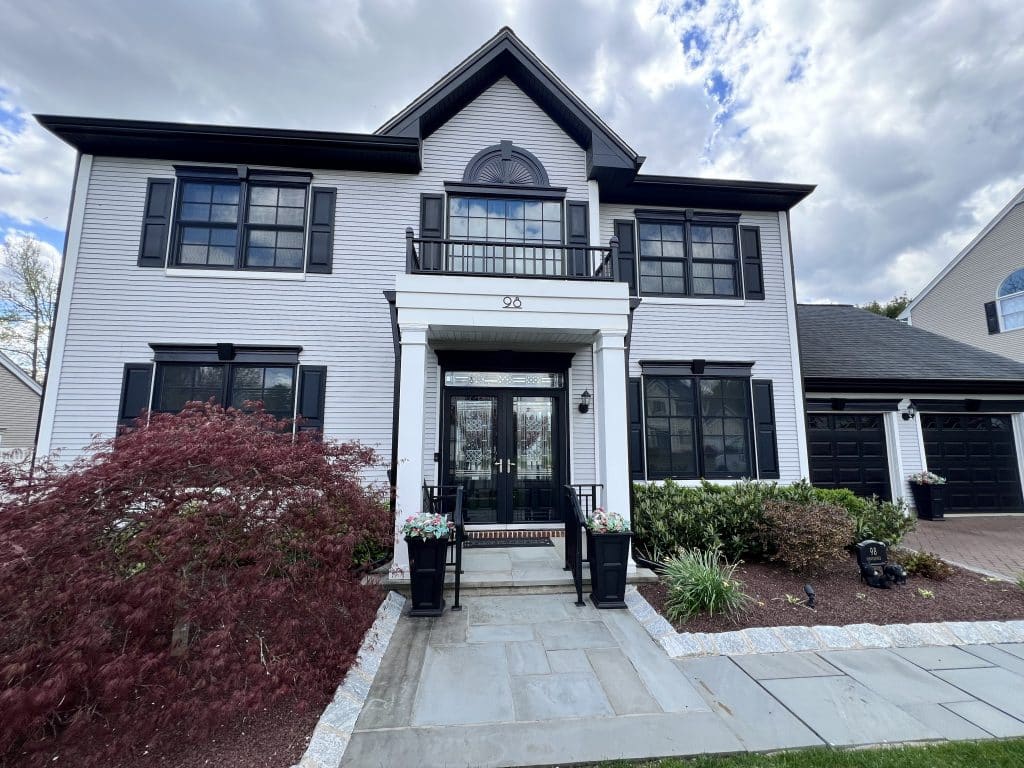
house painting

Garage walls and semi‑outdoor rooms

Ventilation lowers odor when doors open often. That reduces fumes and speeds drying.

Still, if the garage serves as storage, laundry, a workshop, or a pass‑through, we recommend interior paint for cleaner air and easier cleaning.

How to decide for enclosed vs semi‑outdoor spaces

  • How long the doors stay open each day.
  • Whether the space is climate‑controlled or sees big temperature swings.
  • If kids, pets, or frequent guests use the area.

Surfaces matter: masonry or concrete block needs the right primer and system more than a simple label swap. For stucco or weather‑exposed areas, choose coatings made for exterior surfaces. For interior walls and trim, select products designed for living spaces.

We’ll help you pick a latex or specialty coating that balances durability, washability, and comfort—so your New Jersey project holds up and feels clean to live around.

How to Fix It If You Accidentally Used Exterior Paint Inside

When exterior product ends up inside your home, the first job is protecting air quality and people. Act fast but calmly—small steps reduce exposure and stabilzie the finish.

Ventilate and isolate. Open windows and run box fans to push VOCs outside. Close vents and doors to keep fumes out of the rest of the house. Use fans so air moves steadily away from living areas.

Protect yourself while you work

Wear gloves and a proper respirator when sanding or priming. Keep children and pets out until the room fully dries. Good habits cut risk during repainting.

Seal then repaint

Let the streaks dry fully. Apply a premium interior primer to lock in additives and odors from the exterior paint. Then repaint with the correct interior paint—washable wall paint for living spaces, tougher coats for trim and high-traffic walls.

When to call MR Paint

  • If odors persist, ventilation is poor, or surfaces show tackiness—call us.
  • We handle prep, premium materials, reliable scheduling, and a final walkthrough.

Local help: MR Paint serves South Amboy, NJ, and within 35 miles. Call (908) 963-7371 or email info@mrpaintnj.com to schedule an on-site evaluation or view our quick guide on how to fix exterior paint inside.

What Our Clients Say

Conclusion

A simple choice now prevents odor, finish problems, and extra work later.

Exterior paints are built for weather and durability; interior paint is made for air comfort and washability in your home. The difference matters — higher VOCs, longer curing, and finish issues like cracking or uneven sheen often follow if the wrong coating is used.

If you face this, ventilate, seal with a quality primer, then repaint with the correct system. Choosing the right color and sheen up front saves time and delivers an intentional result.

We handle prep, premium materials, clean work, and a final walkthrough. MR Paint serves South Amboy, NJ and nearby towns within 35 miles. Call (908) 963-7371 or email info@mrpaintnj.com to schedule a guaranteed paint job.
FAQ

What’s the short answer — is exterior paint safe to use inside my home?

Exterior formulations are made for outdoor exposure — weather, UV, and moisture. They often contain higher VOCs, mildewcides, and stiffer resins. For living spaces, we recommend using interior-grade paint. It’s formulated for better indoor air quality, easier application on drywall, and finishes that hold up to cleaning and everyday wear.

Why do homeowners consider using leftover exterior paint indoors?

Leftover cans are tempting. People want to save time and money. But exterior coatings are engineered for rougher surfaces and temperature swings, not the comfort and safety needs of bedrooms, kitchens, or living rooms. Using the right product saves rework and health risks.

How do ingredients differ between interior and exterior paints?

Both types share pigments, resin, solvents, and additives — but proportions vary. Exterior paints use tougher resins and preservatives to resist mold, fading, and cracking. Interior paints prioritize low odor, lower VOC content, and washability. Those differences matter for indoor performance and air quality.

Does resin flexibility really matter for indoor walls?

Yes. Exterior resins are rigid to resist weathering and can become brittle on walls that move slightly with household temperature changes. That rigidity can lead to cracking or flaking on drywall or plaster; interior-grade resins stay flexible and reduce those risks.

Are VOCs and mildewcides in exterior paints a health concern indoors?

They can be. Exterior formulations often contain higher VOC levels and biocides to prevent mildew outdoors. In enclosed spaces, those chemicals increase odors and can affect indoor air quality. For sensitive occupants, children, or anyone with respiratory issues, interior low-VOC or zero-VOC options are safer.

Will exterior paint dry differently inside compared with outside?

Yes. Drying and curing depend on airflow, temperature, and UV exposure. Indoors you get slower curing and stronger lingering odors because ventilation is limited. That can affect hardness and adhesion and delay safe reoccupation of the room.

Will exterior paints stick well to drywall or interior trim?

Exterior paints are formulated to cling to porous, rough exterior substrates like wood, stucco, and masonry. On smooth drywall or trim they may not adhere as evenly, leading to poor coverage, brush marks, or peeling. Proper priming helps — but using interior products is the simpler, more reliable choice.

How do finishes and color choices differ for indoor spaces?

Exterior paints often emphasize durability over subtle finish options. Interior lines provide a wider range of sheens and color accuracy for living spaces — and pigments formulated to resist yellowing under indoor lighting. That gives better results for décor and touch-ups.

What immediate issues occur if someone paints an interior room with exterior paint?

Expect stronger fumes, longer lingering odor, and possible irritation. Visually, you may see brush or roller marks, uneven sheen, or early cracking. Cleaning and repainting may be necessary sooner than with the right interior product.

Is it ever acceptable to use exterior paint in a garage or ventilated area?

In some semi-outdoor spaces — well-ventilated garages, sheds, or unfinished basements — exterior products can be acceptable for durability. Still, we prefer interior or specialty paints designed for those spaces because they balance durability with lower emissions and easier application.

What factors should I weigh before choosing paint for an enclosed room versus a semi-outdoor space?

Consider ventilation, occupancy, expected moisture, surface type, and the needed finish. Enclosed living areas benefit from low-VOC interior paints. Semi-outdoor areas with high moisture or rough surfaces may need exterior-grade protection — but only when ventilation and occupant exposure aren’t a concern.

I accidentally used exterior paint inside — what should I do first?

Ventilate immediately. Open windows and run fans to reduce VOCs. Limit time spent in the room until fumes dissipate. Use protective gear if you’ll work there to repaint or clean.

How should I prepare the surface before repainting over exterior paint indoors?

Clean the surface and allow full drying. Sand glossy or uneven areas. Apply a high-quality interior primer designed to seal stains and block odors — this helps lock in exterior additives and creates a proper bond for the new finish.

Which interior products restore air quality and finish after using an exterior coating?

Choose low-VOC or zero-VOC interior latex or acrylic paints for walls and trim. They cure with less odor, clean up with water, and offer washable, durable finishes suited to daily use.

When should we call MR Paint to fix a job where exterior paint was used inside?

Call us if you notice persistent odors, visible surface damage (cracks, flaking), or if the space is occupied by vulnerable people. We’ll ventilate, assess adhesion, apply proper primers, and repaint with the right interior products for a dependable, healthy finish.
cabinet painting

Mon – Fri: 8:30 am to 6 pm

Share:

Send Us a Message

On This Page

Our Residential Services

Residential interior painting

Interior painting

Refresh any room with clean lines, smooth finishes, and careful protection of your home from start to final walkthrough.

House Painting - Residential Exterior Painting

exterior painting

Boost curb appeal and protect your home with durable exterior coatings, thorough prep work, and a clean, professional finish.

Residential Deck Staining

Deck Staining

Restore and protect your deck with high-quality paints or stains that enhance the look while standing up to local weather.

Residential Cabinet Painting

Cabinet Painting

Transform kitchens and bathrooms with factory-smooth cabinet finishes using proper sanding, priming, and long-lasting coatings.

Residential Drywall Repair

Drywall Repair

Fix holes, cracks, and damaged areas with seamless patching and finishing—moisture resistant, ready for paint so walls look like new.

Our Commercial Services

Commercial Interior Painting

Commercial Interior Painting

Keep your business looking sharp with fast and professional interior painting designed for clean results and lasting durability.

Commercial Exterior Painting - Commercial Painting

Commercial Exterior Painting

Make a strong first impression with exterior painting that improves appearance, protects surfaces, and holds up to heavy exposure.

Commercial Wallpaper Removal

Wallpaper Removal

Remove outdated wallpaper safely and cleanly, then prep walls properly so the surface is smooth, uniform, and paint-ready.

Commercial Concrete Staining & Epoxy Finish

Concrete Staining & Epoxy Finish

Upgrade concrete floors with decorative staining or epoxy finishes that add durability, easy maintenance, and a clean, polished look.

Powerwashing

Power
Washing

Powerwashing removes dirt and grime from exterior surfaces, restoring curb appeal and prepping areas for longer-lasting paint.

Brands We Use

We work with premium, trusted paint brands for durable finishes.